
Michael Tu
Research Associate, The James Martin Center for Nonproliferation Studies
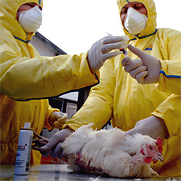
About the image
Research Associate, The James Martin Center for Nonproliferation Studies
H5N1's high mortality rate and the possibility that it might mutate to become easily transmissible from human-to-human make it a high priority research topic for public health preparedness and pandemic prevention efforts. However, these same factors mean research involving the virus poses public health and biosecurity risks, evoking a debate about the dual-use nature of this research.
Recently, researchers in the Netherlands and the United States identified genetic mutations that could also enable H5N1 to become easily transmissible from one human to another. In the United States and abroad, controversy has emerged about whether the details of these two particularly sensitive H5N1 studies should be openly published to aid global pandemic preparedness or withheld in the interests of national security.
Michael Tu explores the uncertainties around H5N1, federal strategies for managing dual-use research of concern and other issues around this unresolved controversy. The stakes are high. As Tu notes, "The importance of finding a workable solution and continuing to gain knowledge on H5N1 cannot be overstated. By some estimates, a pandemic form of the virus could kill up to 1 billion people globally."
Read the full issue brief.
Sign up for our newsletter to get the latest on nuclear and biological threats.

NTI | bio experts will take part in several GHS2026 sessions, including a preview of findings from the forthcoming Africa Health Security (AHS) Index and a timely discussion on strengthening health security partnerships amid declining resources.
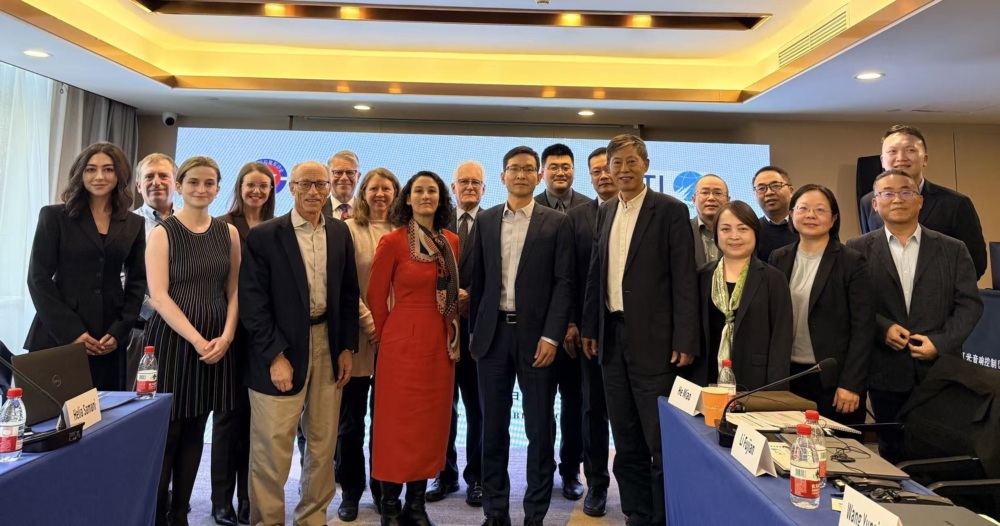
Amid rapid advances in bioscience and as artificial intelligence reshapes global technological capabilities, the Nuclear Threat Initiative (NTI) and the China Arms Control and Disarmament Association (CACDA) are jointly calling for action to strengthen biosecurity and oversight and engage in responsible practices to prevent accidents or misuse.

NTI endorses the bipartisan Biosecurity Modernization and Innovation Act of 2026, led by Senators Tom Cotton (R-AR) and Amy Klobuchar (D-MN). This bill creates an important opportunity to incentivize a safe and secure U.S. bioeconomy through strengthened biosecurity policy.
Sign up for regular updates on innovative, real-world solutions to existential threats.