

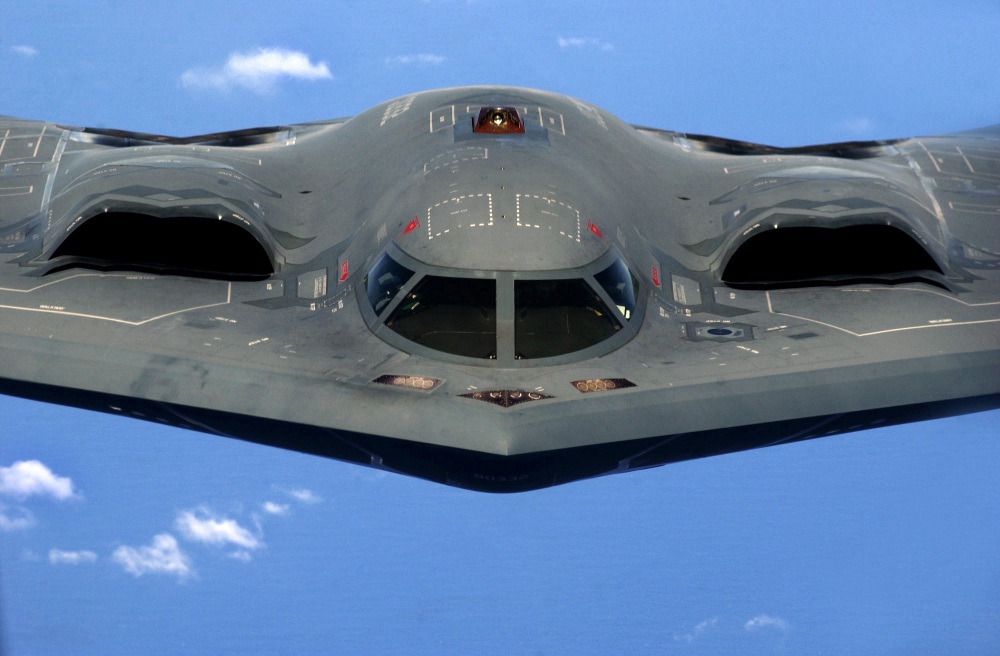
In a new post for Harvard's Nuclear Security Matters forum, Samantha Pitts-Kiefer describes a key truth about non-state actors wishing to inflict mass casualties: "Terrorists wishing to steal the material needed to build a crude nuclear device care little how that material is characterized; they will go wherever the material is the least secure to obtain it."
A common misconception is that weapons-usable nuclear materials classified as "military" are most secure than civilian materials. These military materials–comprising 85 percent of the global weapons-usable nuclear material inventory–are also susceptible to theft. "If an 84-year-old nun can break into the Y-12 facility in Oak Ridge, Tennessee—considered the most secure nuclear facility housing military materials in the United States—what could a group of armed terrorists, aided by a complicit or unwitting insider, do?" asks Pitts-Kiefer.
Read the piece for steps states can take to secure military materials.
Sign up for our newsletter to get the latest on nuclear and biological threats.
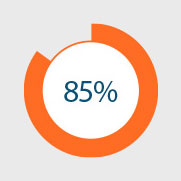
A new international study group tackles the 85 percent of materials outside of international security mechanisms.
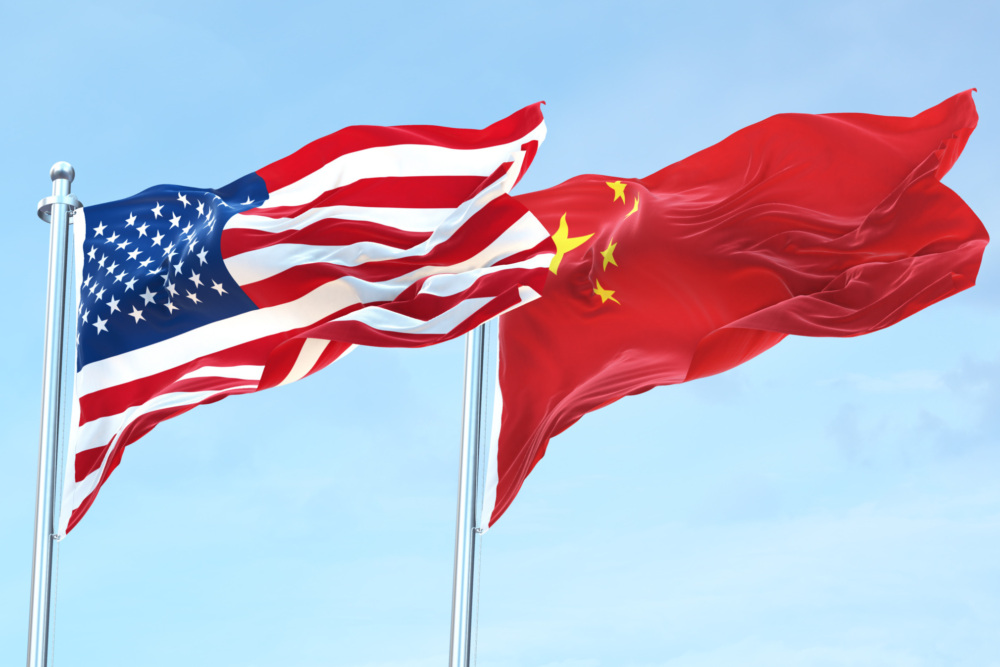
Former senior U.S. officials and NTI experts met Chinese counterparts to reduce the risk of accidental, mistaken, or unauthorized nuclear use.
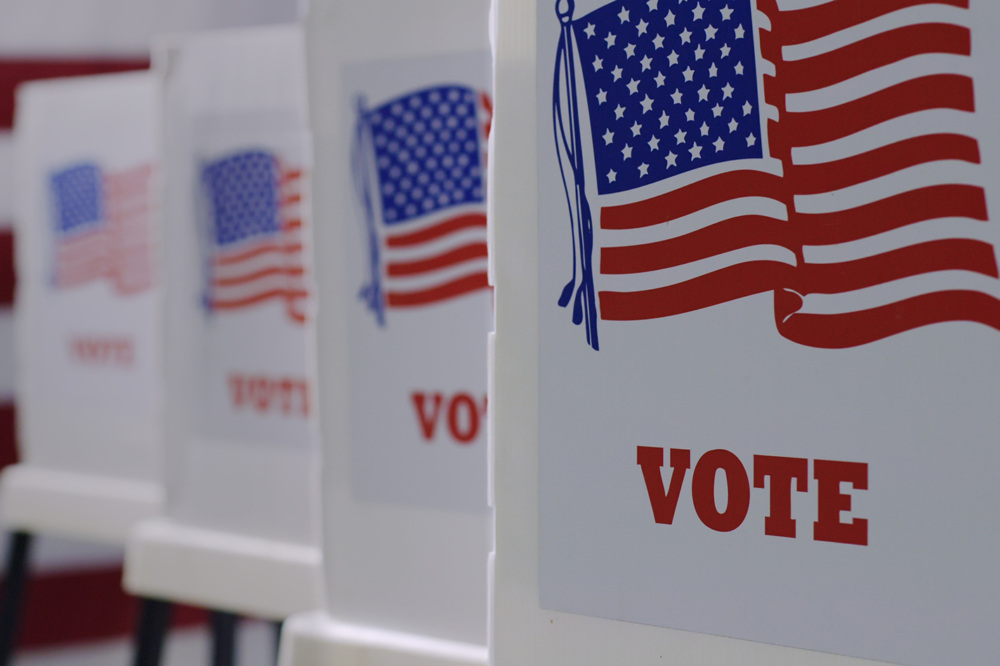
New YouGov polling commissioned by NTI and ReThink Media finds that nearly 80 percent of registered voters, across party lines, say it is in the interest of U.S. national security to work with China to mitigate catastrophic threats associated with nuclear risks, AI development, and bioterrorism.
Sign up for regular updates on innovative, real-world solutions to existential threats.