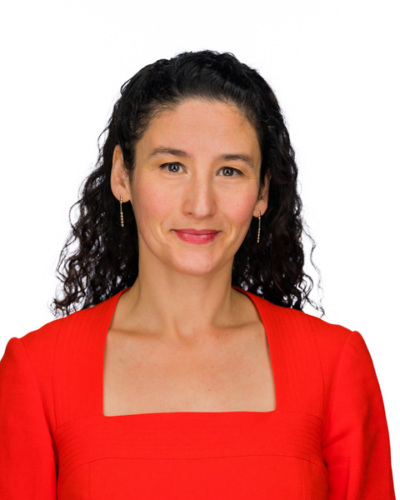
Sarah R. Carter, PhD
Principal, Science Policy Consulting
The convergence of artificial intelligence (AI) and the life sciences has driven the development of biological AI tools with a range of beneficial applications. However, some of these tools have also raised concerns among biosecurity experts that they could be misused by malicious actors to cause harm, including by making it easier to engineer dangerous pathogens.
NTI | bio’s new paper, A Framework for Managed Access to Biological AI Tools, proposes a managed access approach—allowing only validated users to access tools that contribute to biosecurity risks—a key path towards reducing the risk that such tools will be deliberately misused to cause harm. The paper offers recommendations for funders, model developers, and hosting services to support implementation of managed access.
Informed by interviews with more than 20 experts in biosecurity, biological AI tool development, and bioscience research, the framework adopts two central principles:
The framework seeks to reduce the risk of misuse without limiting the incredible potential of these tools to benefit humanity.
This virtual event will present an overview of the framework and its potential impact on the risk landscape, discuss how it could be adopted by the scientific community, and how managed access is fundamental for enabling other forms of built-in guardrails.
Principal, Science Policy Consulting

Associate Professor, Investigator, University of Wisconsin-Madison, Morgridge Institute for Research

Technical Lead, Common Mechanism, IBBIS
Sign up for regular updates on innovative, real-world solutions to existential threats.