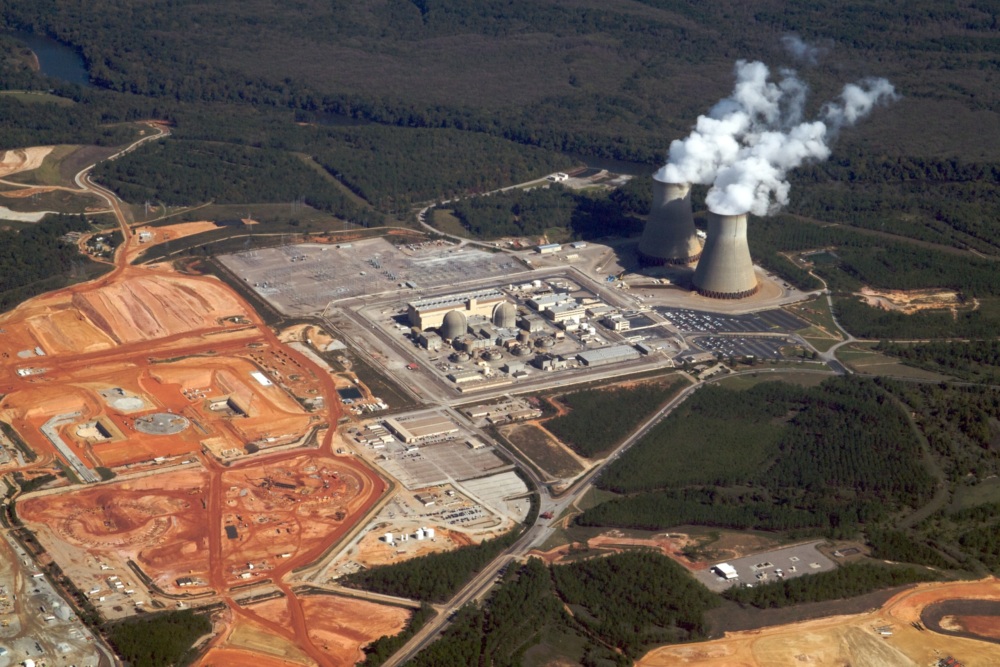
The global expansion of nuclear energy, including in the Middle East, is in the United States’ interest—but it should not come at the expense of security. In practice, that means any nuclear cooperation agreement must include measures to prevent the spread of technologies that can be used to produce nuclear weapons. A requirement to implement strong international safeguards through the International Atomic Energy Agency (IAEA) to ensure that there are no undeclared nuclear activities in partner countries is also critical.
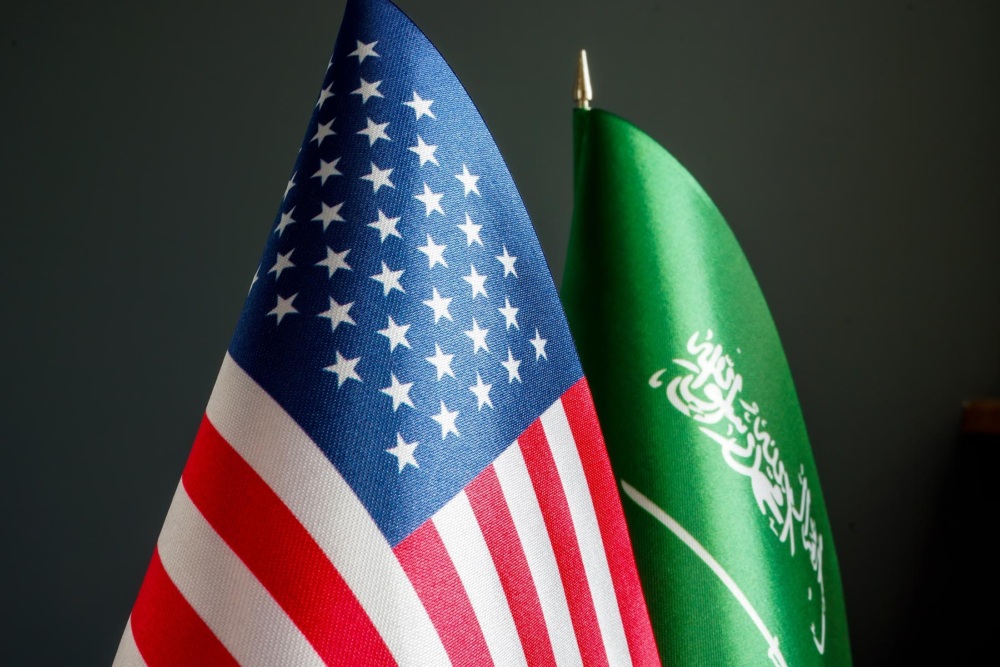
These conditions should be at the forefront as the United States considers a civil nuclear cooperation agreement (“123 Agreement”) with Saudi Arabia. The Kingdom has economic reasons to want a civilian nuclear energy program, but Crown Prince Mohammed bin Salman has not ruled out building a nuclear weapon in the future. In fact, he has said that if Iran develops a nuclear weapon, “we will have to get one.” Further, the terms of the U.S.-Saudi 123 will set a precedent—current and future civil nuclear partners of the United States may seek similar agreements. While the text of the 123 has not been publicly released, several reported aspects of the agreement raise serious questions:
- How will proliferation risks be factored into the two-year study on the feasibility of indigenous enrichment in the Kingdom? Clarity is needed on how such risks and their implications for regional stability will factor in the study, how a final decision on enrichment will be reached, and the implications for the transfer of enrichment technology.
- Does the agreement address reprocessing in Saudi Arabia? The agreement should make clear that Saudi Arabia will not acquire reprocessing technology, which could be used to produce weapons-usable nuclear material.
- How will the world have confidence that there are no undeclared nuclear activities in Saudi Arabia? In addition to Saudi Arabia’s standard safeguards agreement, the IAEA will reportedly inspect U.S.-affiliated facilities under a separately negotiated arrangement. However, Riyadh will not implement the IAEA’s strengthened safeguards mechanism—the Additional Protocol (AP). The AP has long been a condition of supply for U.S. nuclear materials and technology and is the principal tool the IAEA uses to ensure the absence of undeclared nuclear material and activities.
- How will this agreement set the right nonproliferation precedent for subsequent 123 agreements? Last year’s White House executive orders note that the administration plans to execute at least 19 more 123 agreements with other countries. If the U.S.-Saudi Arabia agreement goes forward without strong nonproliferation requirements in place, how will the United States respond if other countries with previously settled agreements—including the Republic of Korea and the United Arab Emirates—seek to explore a renegotiation of their nonproliferation commitments?
Any U.S.-Saudi civil nuclear cooperation agreement will be long-term. The coming years offer an opportunity to shape and influence the contours of this partnership. Going forward, the United States should prioritize minimizing proliferation risks for long-term U.S. and global security.
CONTACT: Cathy Gwin, 202-270-5942, [email protected]