
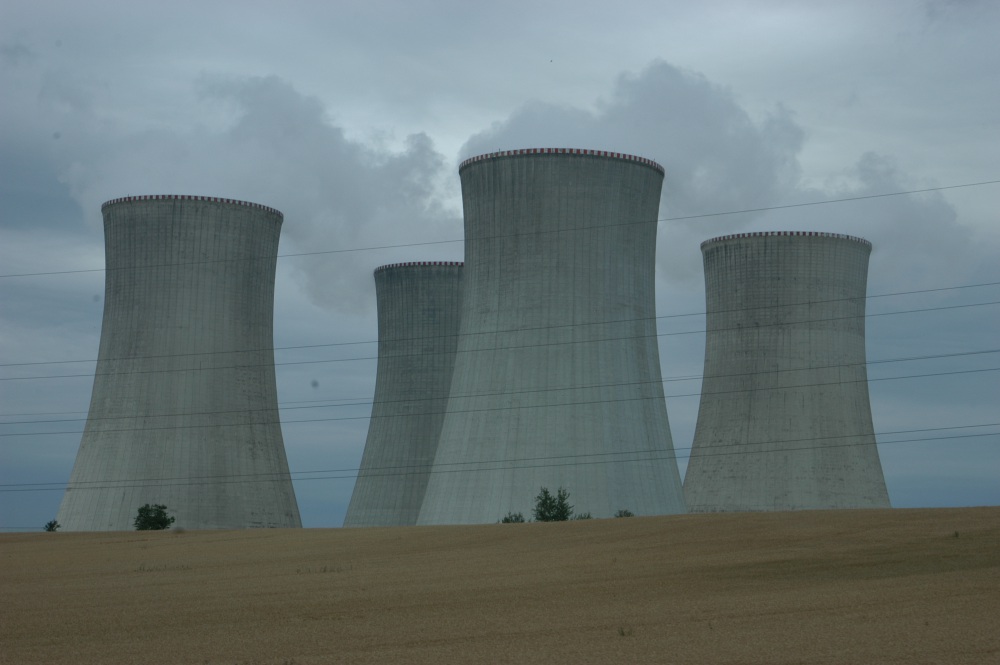
Transformative Guiding Principles for Implementing Cybersecurity at Nuclear Facilities
A paper that discusses the cyber threat to nuclear facilities.
A paper that discusses the cyber threat to nuclear facilities.

Taken in its totality, the nuclear language in the 2016 Summit Communiqué is a significant step back from the 2010 Strategic Concept and 2012 DDPR.

Despite progress at the Nuclear Security Summit, the threat of nuclear terrorism continues to evolve, and gaps remain in the global system for nuclear security.

More than 40 young leaders from Europe, Russia, Ukraine and the United States gathered for a meeting of the Younger Generation Leaders Network on Euro-Atlantic Security.
The Nuclear Threat Initiative has convened government officials, experts, representatives from international organizations, and industry leaders since 2012 to define what a truly comprehensive and effective global nuclear security system would look like and has developed related recommendations. This paper is the culmination of this work and lays out a vision for strengthening the global nuclear security system and the steps needed to achieve it, including after the summit process ends.
Former Secretary of State George P. Shultz, former Secretary of Defense William J. Perry, former Secretary of State Henry A. Kissinger and former Senator Sam Nunn joined together to form the Nuclear Security Project.
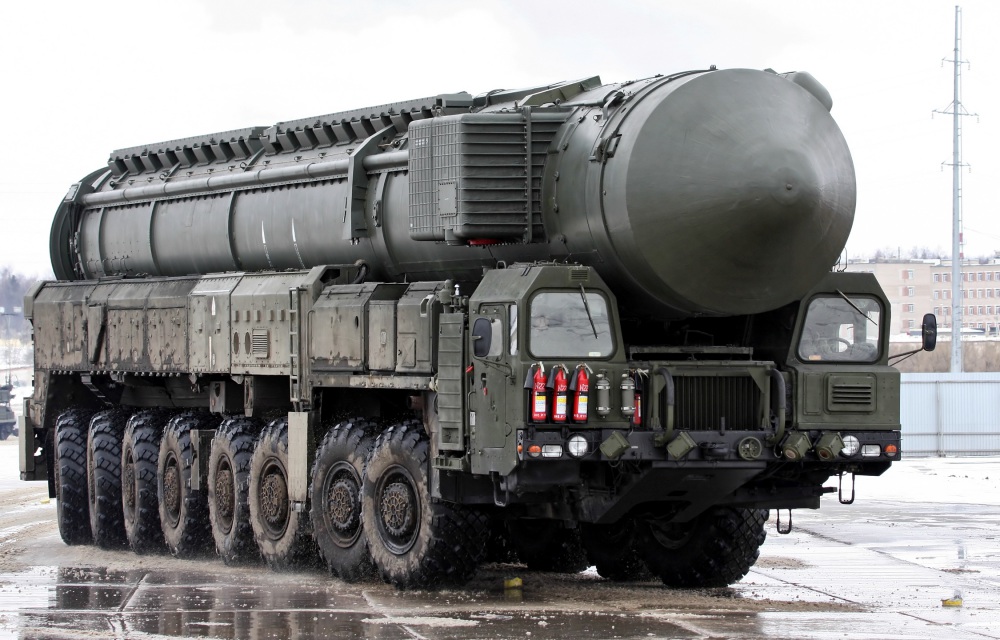
This paper discusses issues involved in assessing the risk of proliferation from national nuclear programs.
A collection of PDF documents provided to facilitate understanding of chain of custody, monitoring and transparency activities in verification.
Sign up for regular updates on innovative, real-world solutions to existential threats.