
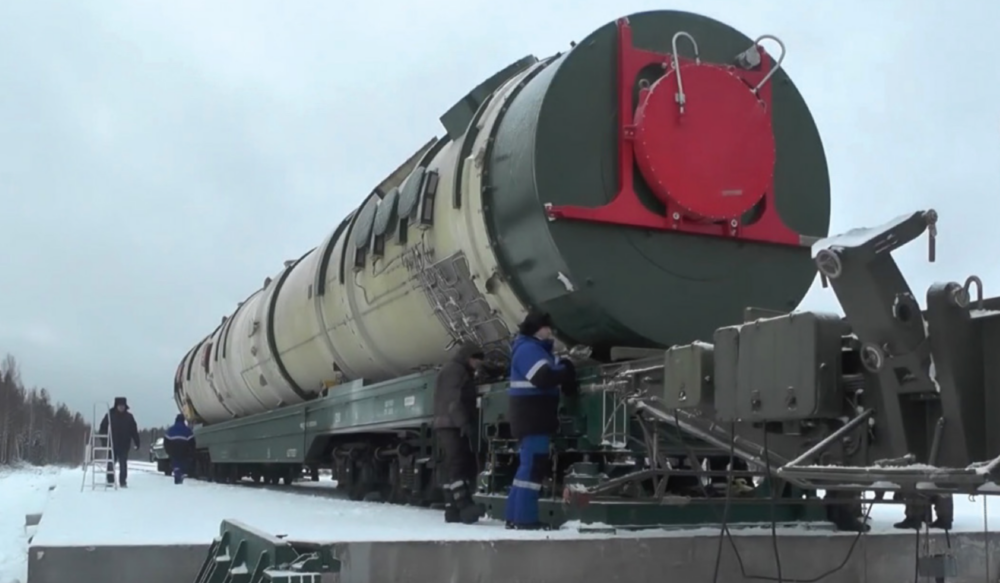
Russia’s New Nuclear Weapon Delivery Systems: An Open-Source Technical Review
The first detailed, exclusively open-source assessment of the five new nuclear weapon systems announced by Russian President Vladimir Putin in 2018
The first detailed, exclusively open-source assessment of the five new nuclear weapon systems announced by Russian President Vladimir Putin in 2018
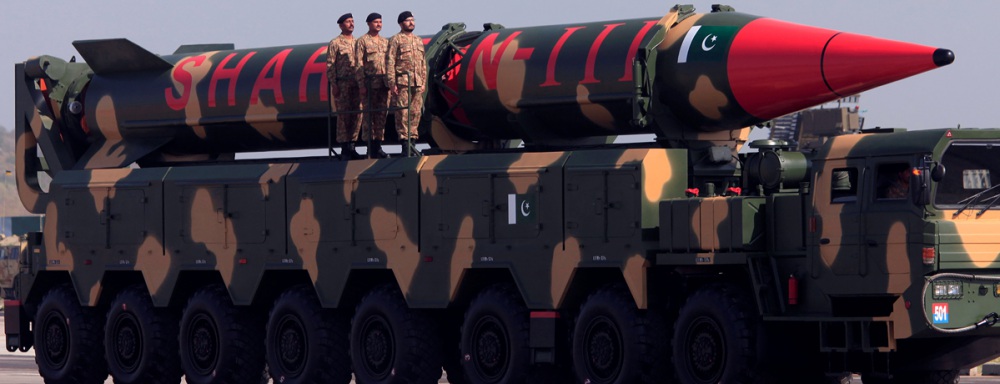
India and Pakistan came close to using nuclear weapons. (CNS)
Sam Nunn, Nuclear Threat Initiative co-chair and former U.S. Senator from Georgia, discusses Russia, China, and the Iran deal with Bloomberg's David Westin on "Bloomberg Markets: Balance of Power.
Remarks by Joan Rohlfing, NTI President and Chief Operating Officer, to the Luxembourg Forum on June 4, 2019.
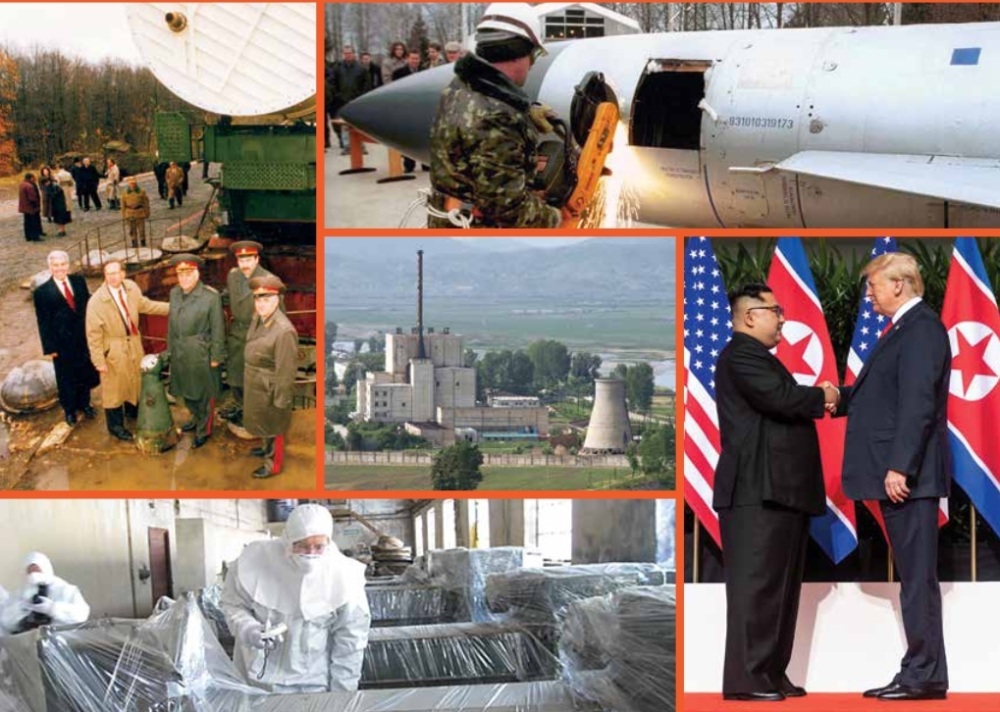
The Korean Peninsula is one of the most volatile and heavily militarized places in the world, carrying tremendous risk of conflict and the potential for catastrophic nuclear exchange.
NTI President Joan Rohlfing testifies before the House Armed Services Committee on issues of nuclear security.
Sam Nunn, Nuclear Threat Initiative co-chairman and former U.S. Senator from Georgia, comments on President Donald Trump's summit with North Korea's Kim Jong Un. He speaks with Bloomberg's David Westin on "Bloomberg Markets: Balance of Power."
Ernest Moniz, chief executive officer of the Nuclear Threat Initiative and a former U.S. energy secretary, talks about the summit of President Donald Trump and North Korean leader Kim Jong Un. Moniz also discusses the tensions between Indian and Pakistan with Shery Ahn and Haidi Stroud-Watts.
Re-engagement with Russia is too important to wait for the Mueller probe to end. That means it’s time for Congress to take the lead. Originally published in Politico on February 1, 2019.
Sam Nunn, co-founder and co-chair of NTI and former U.S. Senator from Georgia, spoke with Bloomberg’s David Westin on “Bloomberg Markets: Balance of Power,” on January 29, 2019. Sam Nun commented on the state of U.S. relations with Russia.
Sign up for regular updates on innovative, real-world solutions to existential threats.