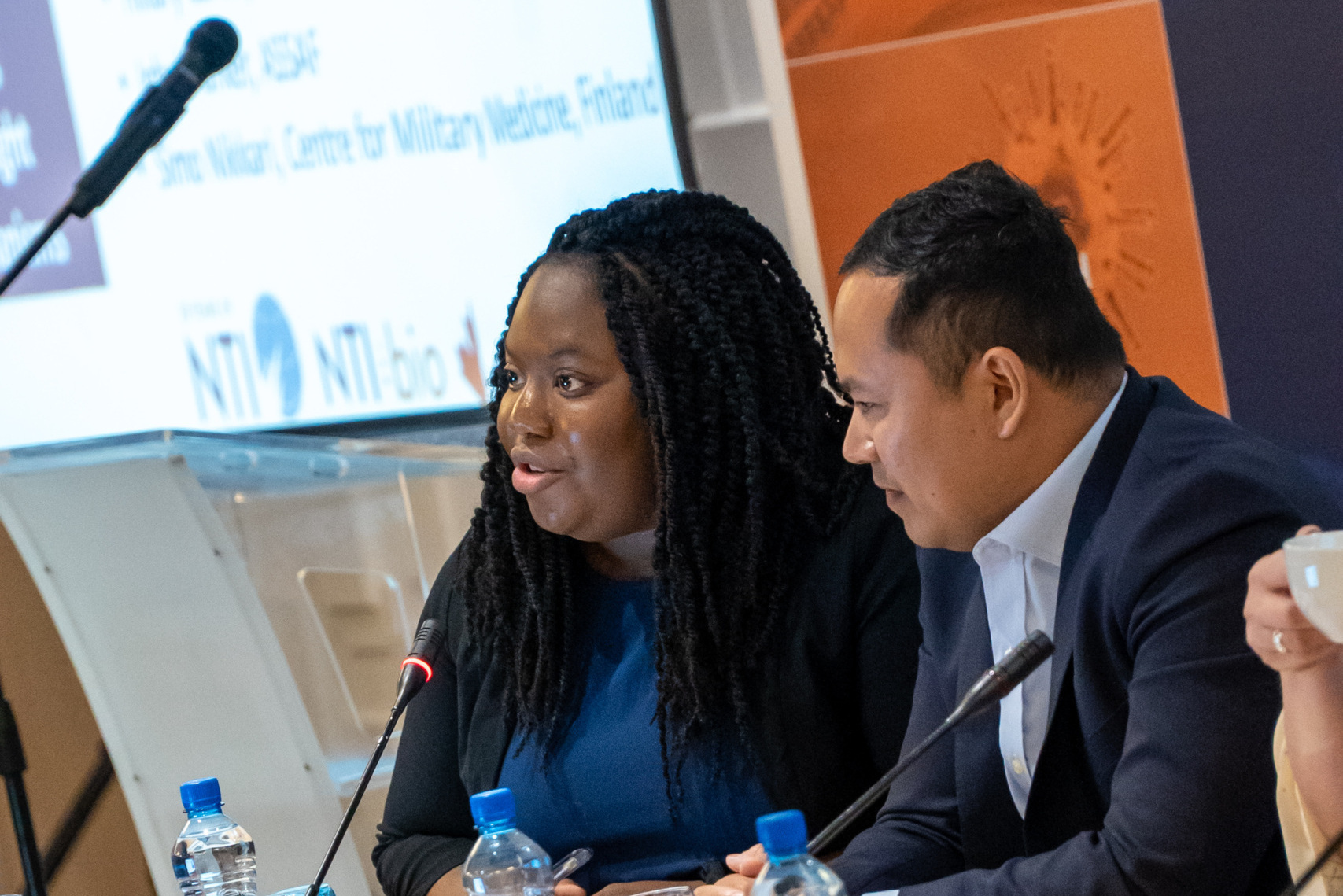
Cathy Gwin
Senior Director, Communications
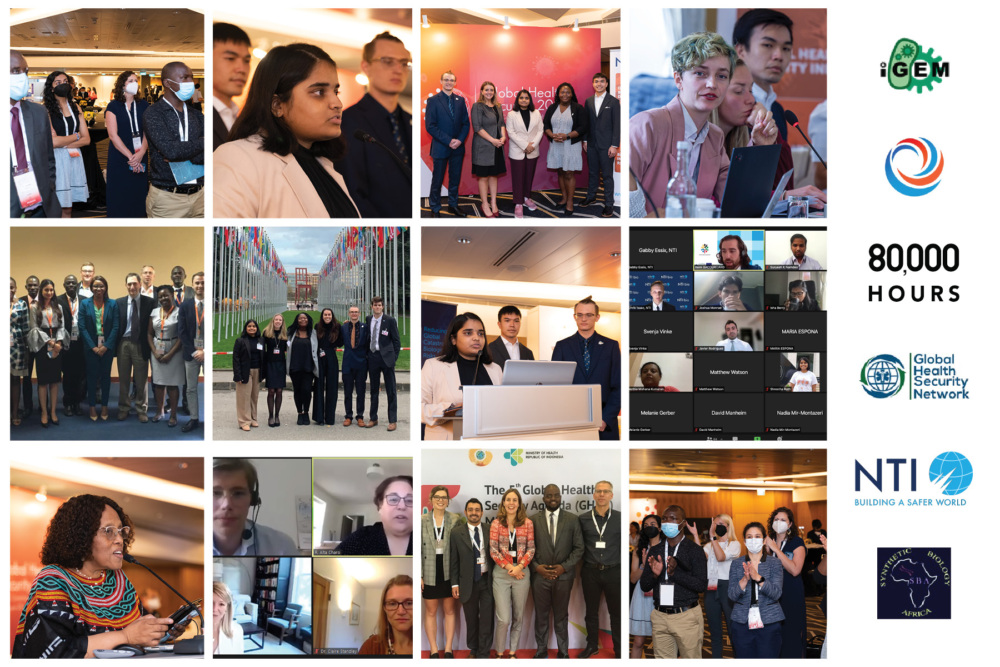
NTI | bio, the Next Generation for Global Health Security (GHS) Network, the iGEM Foundation, 80,000 Hours, SynBio Africa, and the Global Health Security Network (GHSN) have launched the seventh Next Generation for Biosecurity Competition.

NTI | bio played a key role in shaping and leading biosecurity discussions at the event, including through events that highlighted the importance of protecting bioscience and biotechnology advances so society can reap their benefits, while guarding against accidental or deliberate misuse.

NTI | bio convened the annual Biosecurity Innovation and Risk Reduction Initiative (BIRRI) meeting from May 31 to June 2 at Downing College in Cambridge, United Kingdom.

A new digital report and companion summary detail the findings and recommendations developed from a tabletop exercise held by NTI | bio and the Munich Security Conference.
A new NTI | bio report describes the status of benchtop DNA synthesis devices, explains the risks for biosecurity, and recommends action and oversight by governments, industry, and the scientific community.


Sign up for our newsletter to get the latest on nuclear and biological threats.
Sign up for regular updates on innovative, real-world solutions to existential threats.