
NTI Experts Outline U.S. Nuclear Policies for a Safer World
New papers outline recommendations for changes to U.S. nuclear policy and posture and engagement with Russia and China
New papers outline recommendations for changes to U.S. nuclear policy and posture and engagement with Russia and China
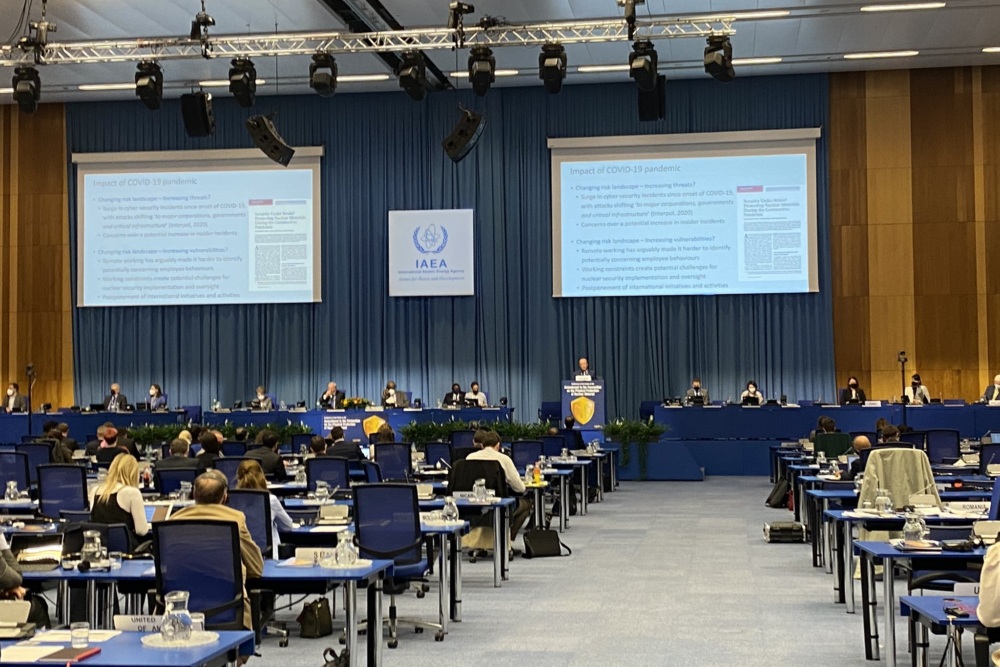
Nuclear Threat Initiative experts are in Vienna this week for the first-ever review of the only legally binding treaty on nuclear security—the amended Convention on the Physical Protection of Nuclear Materials (A/CPPNM).
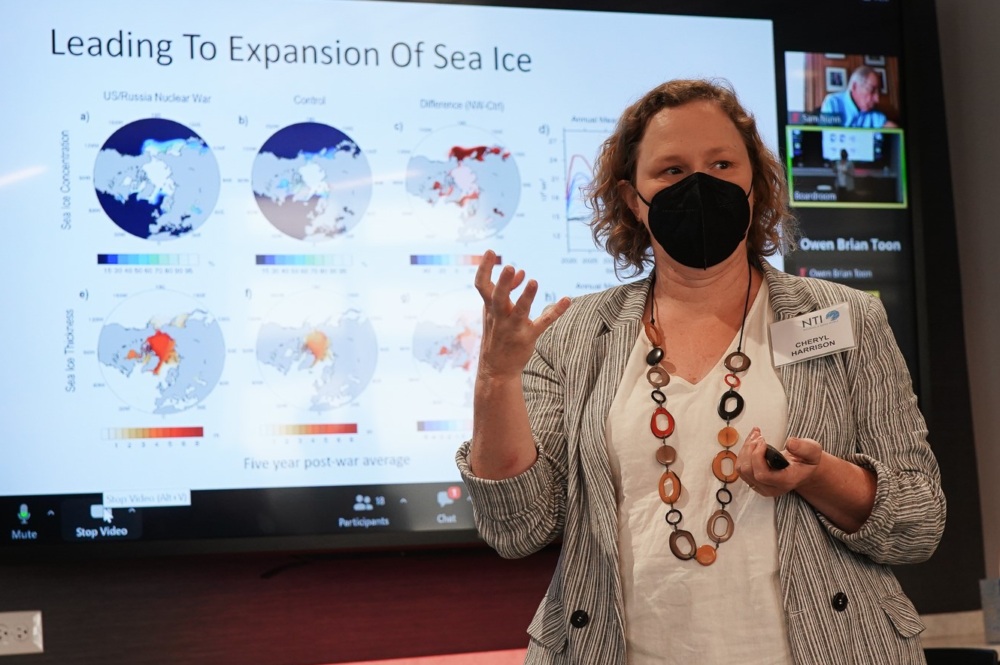
More than 40 researchers and scientists with expertise in nuclear security, climate science, agriculture and food security, development policy, engineering, international relations, and economics gathered in person and virtually for a hybrid conference on global nuclear effects convened by the Nuclear Threat Initiative (NTI) on June 1-2, 2022.
Amid uncertainty around China’s expanding nuclear program and silence from Beijing about the intent behind the build-up, a new report offers details about China’s nuclear program that suggest significant implications for U.S. and global security.
The threat of non-state actors using unmanned aerial vehicles (UAV) to carry out terrorist attacks. (CNS)
Article
Overview of Syria's nuclear, chemical, biological, and missile capabilities and nonproliferation activities
Article
The Proposed Fissile Material (Cut-off) Treaty (FMCT) would prohibit production of fissile material. There are disagreements on scope of the Treaty.
The troubled history of negotiations on a compliance protocol for the Biological Weapons Convention (BWC). (CNS)
The future of space security, highlighting increased commercial interests and the evolution of space weapons. (CNS)
An excerpt from a discussion paper, entitled "Convention on the Physical Protection of Nuclear Materials and Nuclear Facilities Regime: A Path Forward."
Sign up for regular updates on innovative, real-world solutions to existential threats.