
Ernest J. Moniz
13th U.S. Secretary of Energy
Iran’s
announcement that it would no longer abide by certain “operational
restrictions” on uranium enrichment in the Iran nuclear deal has prompted a
slew of questions about Iran’s activities and intent, the status of the deal
(more formally, the Joint Comprehensive Plan of Action or JCPOA), and what will
(or should) happen next.
In
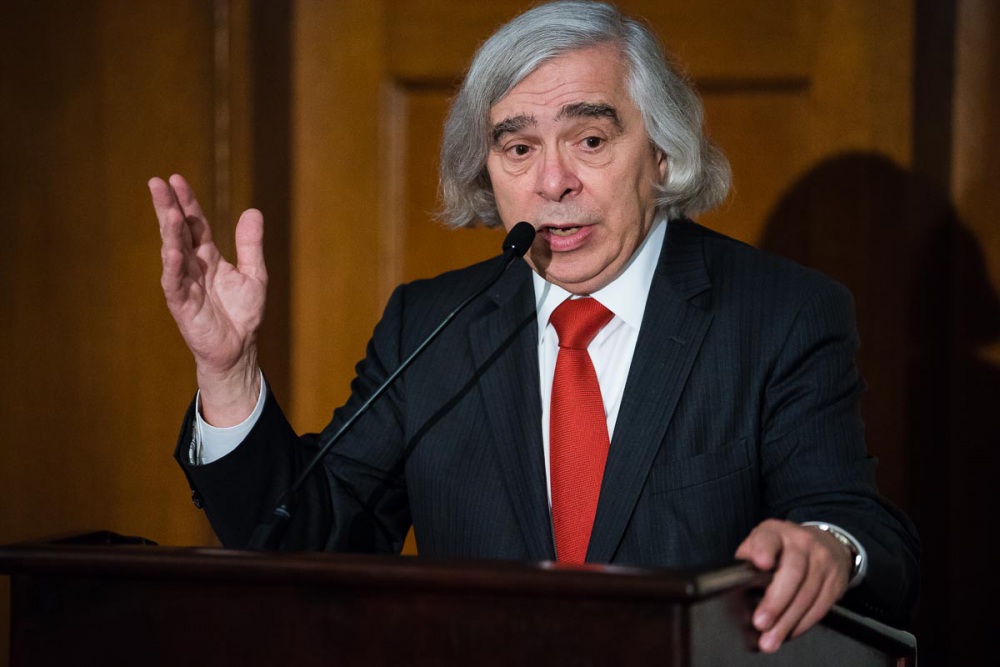
a new analysis for NTI, Co-Chair and CEO Ernest J. Moniz clarifies
misconceptions about the status of the Iran nuclear deal and assesses Tehran’s
current breakout capabilities. In particular, he notes that, while Iran has
made clear in statements that it is taking steps away from the deal, Tehran has
not “quit” the Joint Comprehensive Plan of Action (JCPOA) and that the unprecedented verification system of the deal remains in place.
Sign up for our newsletter to get the latest on nuclear and biological threats.
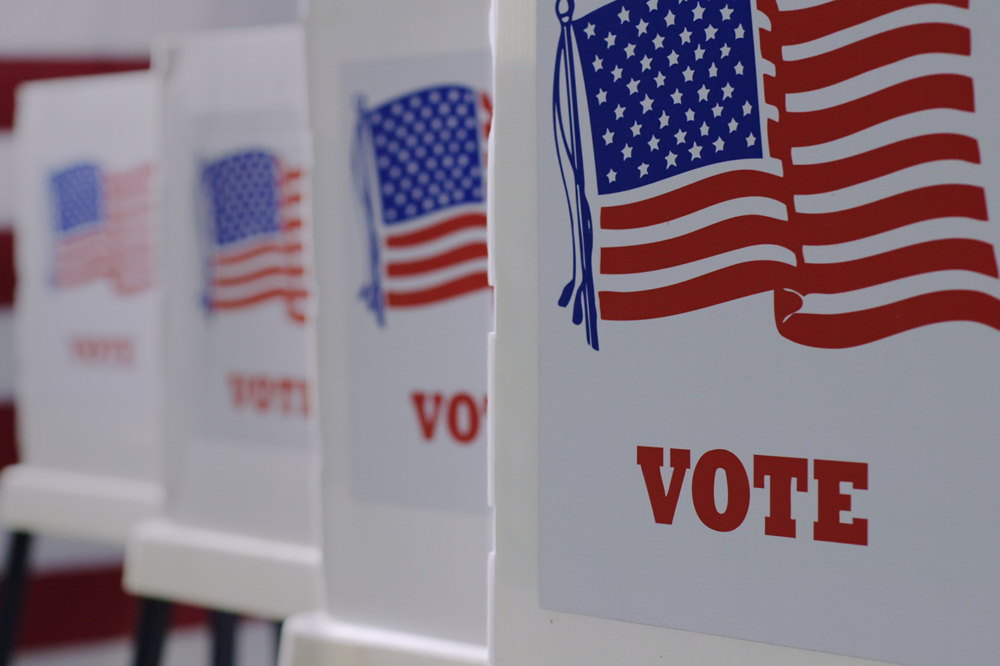
New YouGov polling commissioned by NTI and ReThink Media finds that nearly 80 percent of registered voters, across party lines, say it is in the interest of U.S. national security to work with China to mitigate catastrophic threats associated with nuclear risks, AI development, and bioterrorism.
“The data point to a historic lapse in nuclear security leadership in these countries at a moment when nuclear dangers are rising,” NTI President and CEO Christine E. Wormuth said.
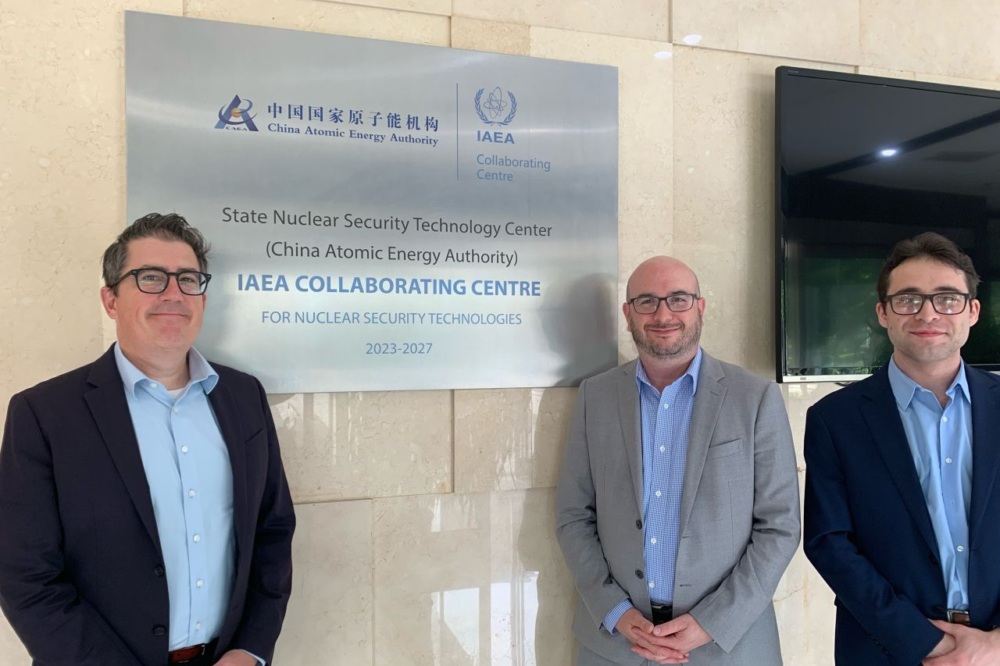
The dialogue, which has met multiple times since 2018, is a rare opportunity for experts from both countries to share perspectives on emerging nuclear security risks.
Sign up for regular updates on innovative, real-world solutions to existential threats.