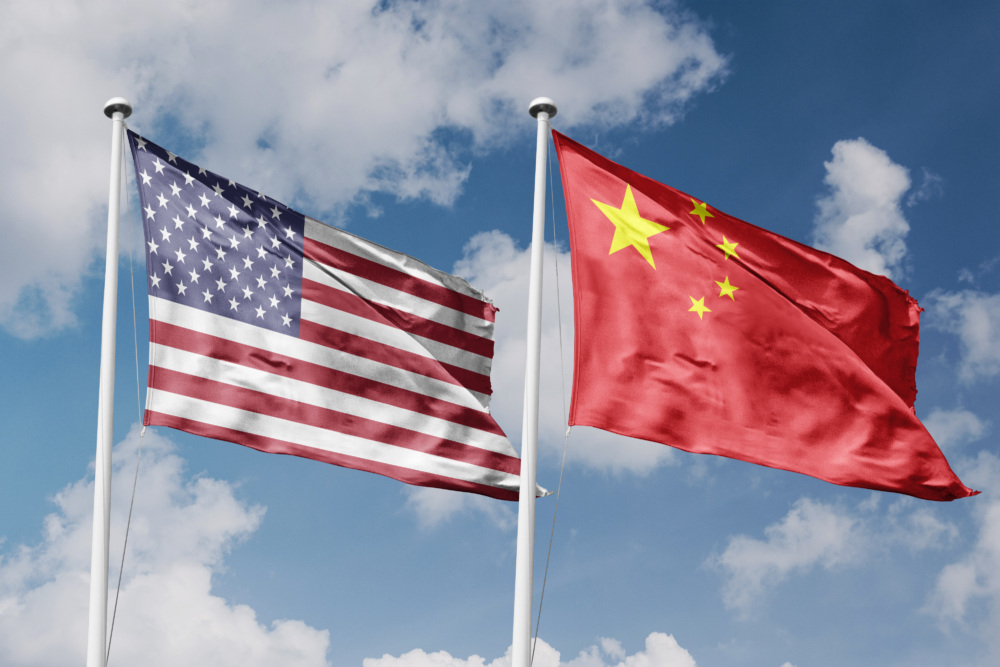
On November 3, the Nuclear Threat Initiative (NTI) and the Shanghai Institutes for International Studies (SIIS) convened U.S. and Chinese experts for a virtual workshop on reducing nuclear risks in the U.S.-China relationship. The meeting was the third in a series of workshops under a two-year project to develop concrete proposals for how the United States and China can manage competition and reduce nuclear and strategic risks.
“Even at a time of competition, Washington and Beijing share a basic interest in avoiding nuclear use, which is why sustained, serious dialogue matters now more than ever,” said Christine E. Wormuth, president and CEO of NTI. “This project reflects NTI’s commitment to the critical work of developing and promoting practical risk reduction measures like advance notification of missile launches, as well as building shared understanding on how new technologies like AI are reshaping nuclear risk.”
This project has shown there’s real value in working through hard, practical questions together, like advance notification of missile launches, as well as how new technologies like AI are reshaping nuclear risk.”
Secretary Wormuth and SIIS President Chen Dongxiao led the workshop, which included senior experts and former officials from both countries to examine two issues:
- Prospects for a bilateral arrangement on advance notification of ballistic missile launches
- The implications of artificial intelligence for nuclear decision-making, risk perception, and strategic stability
On missile notifications, participants discussed how such an arrangement could reduce the risk of miscalculation or misinterpretation, noting that the United States and China each have such arrangements in place with Russia but not with each other.
On AI, participants explored how to build on the existing commitment to keep a “human in the loop” in nuclear decision-making, including steps to preserve human control in practice as AI is integrated across the nuclear enterprise.
The workshop comes at an important moment of active leader-level engagement between Washington and Beijing. Presidents Trump and Xi have met twice this year, and additional meetings are expected before the end of 2026.