
Ernest J. Moniz
13th U.S. Secretary of Energy
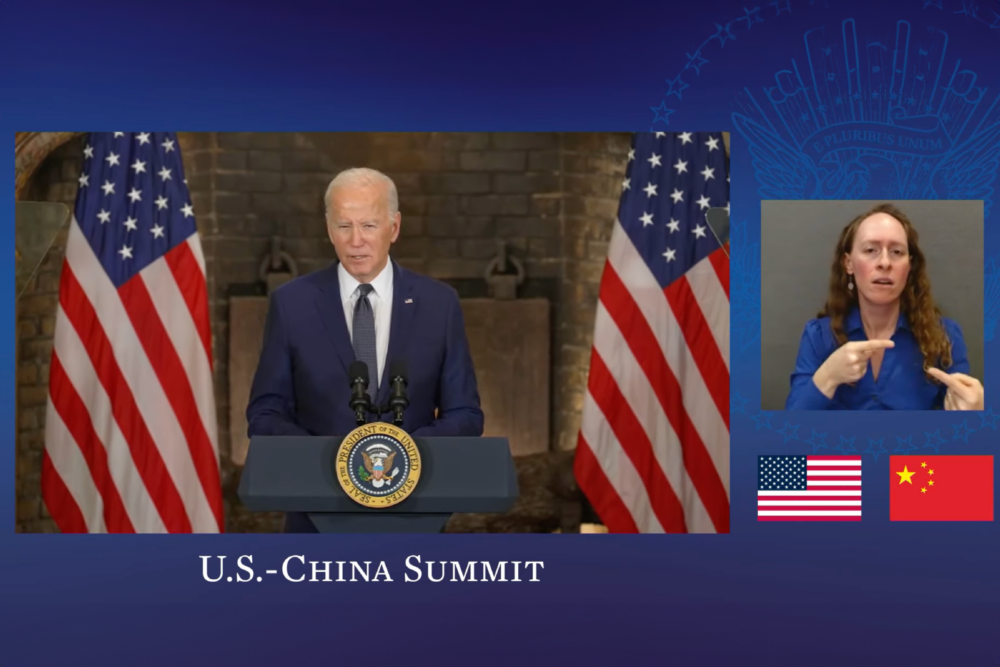
Today’s announcement that President Biden and President Xi have agreed to resume military-to-military communications is a very positive development. At a time of increased U.S.-China tensions, it is essential to maintain regular channels of military-to-military dialogue to increase mutual understanding and avoid incidents or miscalculation that could lead to conflict.
Similarly, it is important to continue and build on the bilateral discussions regarding nuclear weapons and arms control that took place in early November in diplomatic channels. With China rapidly expanding its nuclear arsenal, the United States modernizing its nuclear forces, and the global arms control and nonproliferation architecture under duress, sustained and constructive dialogue to reduce nuclear risks and enhance stability is more necessary than ever.
Sign up for our newsletter to get the latest on nuclear and biological threats.
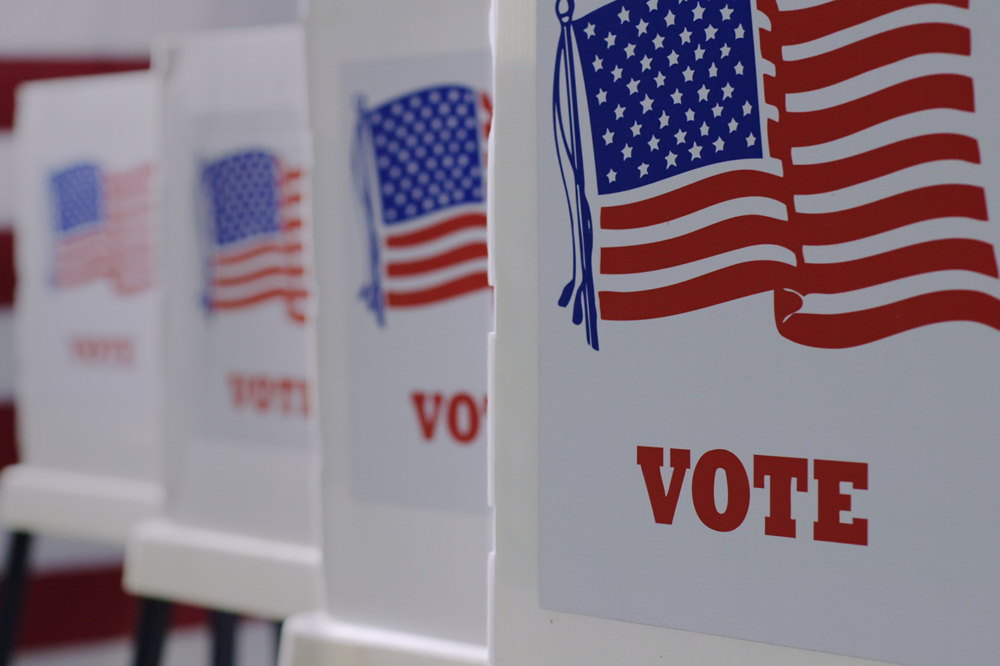
New YouGov polling commissioned by NTI and ReThink Media finds that nearly 80 percent of registered voters, across party lines, say it is in the interest of U.S. national security to work with China to mitigate catastrophic threats associated with nuclear risks, AI development, and bioterrorism.
“The data point to a historic lapse in nuclear security leadership in these countries at a moment when nuclear dangers are rising,” NTI President and CEO Christine E. Wormuth said.
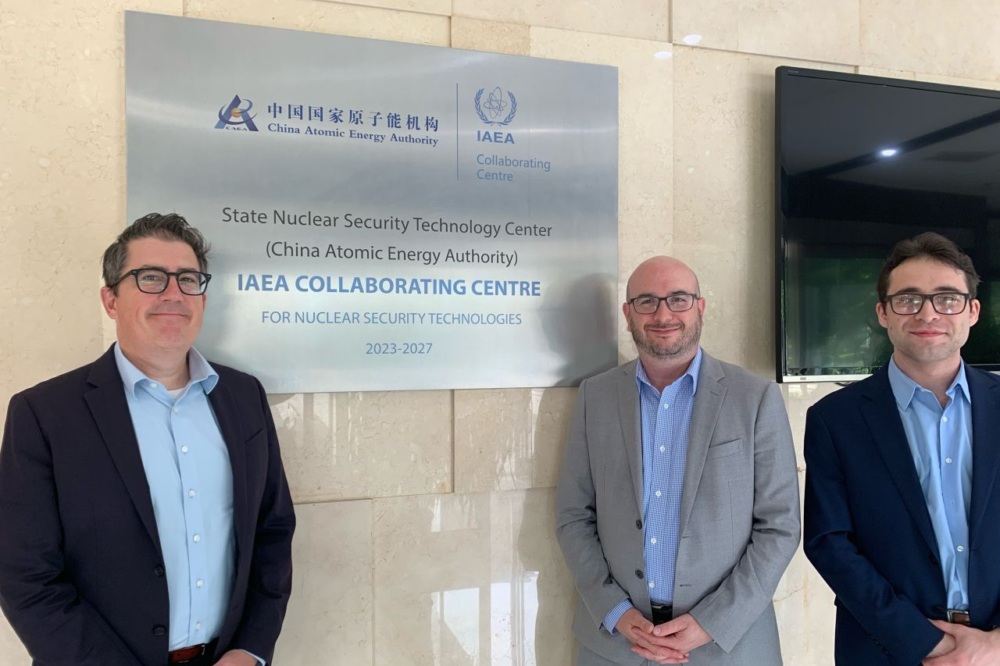
The dialogue, which has met multiple times since 2018, is a rare opportunity for experts from both countries to share perspectives on emerging nuclear security risks.
Sign up for regular updates on innovative, real-world solutions to existential threats.