
Statement from Ernest J. Moniz on G-7 Leaders’ “Vision on Nuclear Disarmament”
NTI welcomes the G-7 leaders’ statement as they meet in the city where a nuclear weapon was used in war 78 years ago.
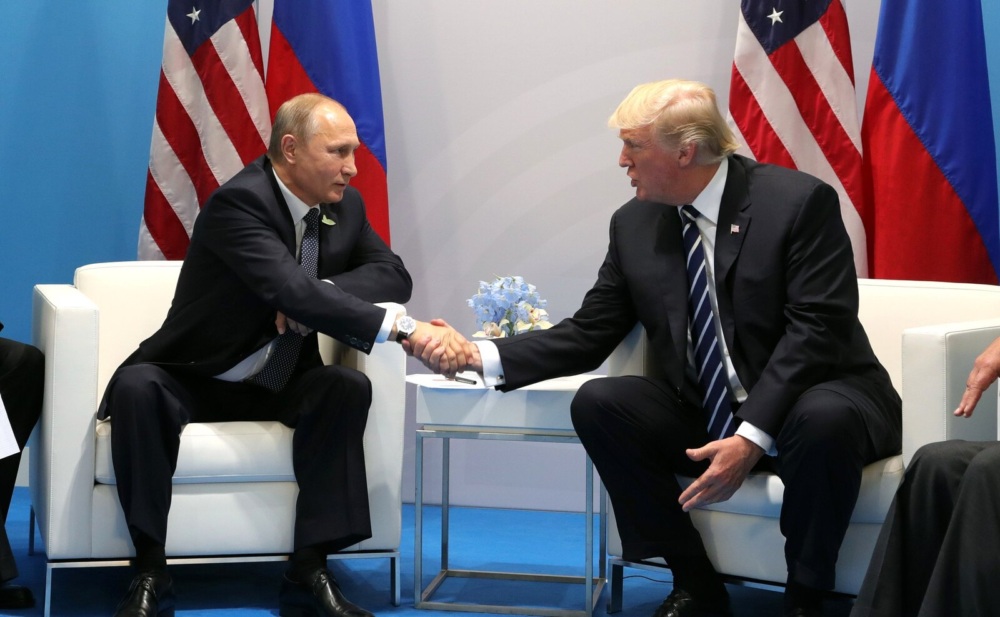
When Presidents Trump and Putin meet Friday in Alaska, they have an opportunity—and an obligation—to lower the temperature around nuclear confrontation.
As the countries with the world’s largest nuclear weapons arsenals, Russia and the United States should not engage in nuclear saber-rattling of the kind Russia employed early in its war on Ukraine, nor should they engage in the inflammatory nuclear rhetoric that former Russian President Medvedev has repeatedly deployed. President Trump, perhaps understandably, responded in kind, upping the ante by declaring he had ordered the repositioning of two nuclear submarines, an admittedly ambiguous statement.
However, Medvedev’s comments and President Trump’s response can lead to a cycle of increasing brinksmanship that can both cause and exacerbate heightened tensions. The consequences may be manageable under “normal” circumstances, but that may not be the case if the unexpected occurs, such as false attack warnings going up the leadership chain because of incorrect data. This has happened on both sides, and a backdrop of heightened tensions, threatening exchanges, and very short decision times could easily lead to a different outcome from those in the past, namely, colossal escalatory blunders. When it comes to preventing inadvertent nuclear conflict, every detail matters
President Trump has said he wants to keep the world safe from nuclear dangers. Only he and President Putin can direct their governments to prioritize nuclear safety and stability—and they must. Indeed, both leaders have a responsibility to do so. Concrete steps to reduce nuclear dangers should be an important—and achievable—summit objective. This can start with both sides walking back from nuclear threats.
There is a second nuclear security step that the leaders can advance at the summit by executive action. It is well known that the last operative arms control treaty, New START, expires in February. The presidents should prioritize preserving and extending the five-decade practice of limiting U.S. and Russian deployed strategic warheads. The alternative will be the absence of guardrails on the U.S.-Russia nuclear relationship for the first time in more than 50 years.
Presidents Trump and Putin should agree by executive action to continue observing voluntarily the New START limits on strategic nuclear weapons until a new agreement is complete and to resume meetings of the Bilateral Consultative Commission, the treaty’s implementation body. This working-level expert group helps to keep tensions under control and prevent a catastrophic miscalculation.
The tensions and disagreements plaguing the U.S.-Russia relationship are unlikely to be resolved in a single meeting, no matter how successful. But concrete steps to reduce nuclear dangers and build stability in the relationship are eminently possible with clear leadership from Presidents Trump and Putin. These steps would be a valuable deliverable from the summit, a stabilizing force in efforts to build a lasting peace in Ukraine, and a key contribution to making all of us more secure.
Sign up for our newsletter to get the latest on nuclear and biological threats.
NTI welcomes the G-7 leaders’ statement as they meet in the city where a nuclear weapon was used in war 78 years ago.
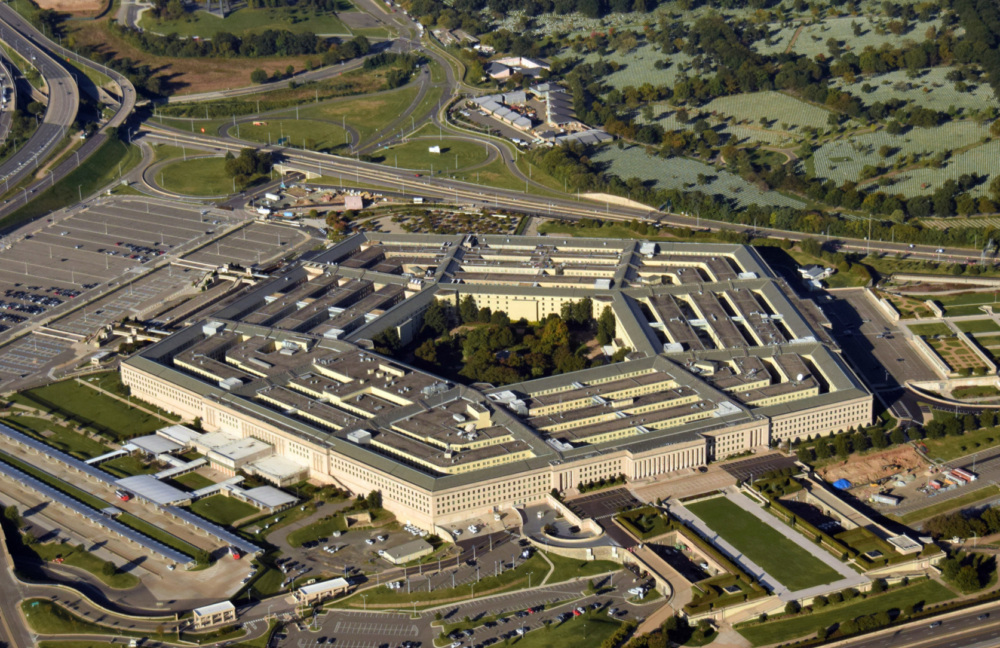
"The NPR sets the right course by emphasizing dialogue and diplomacy, aiming to reduce the role of nuclear weapons in national security strategy."
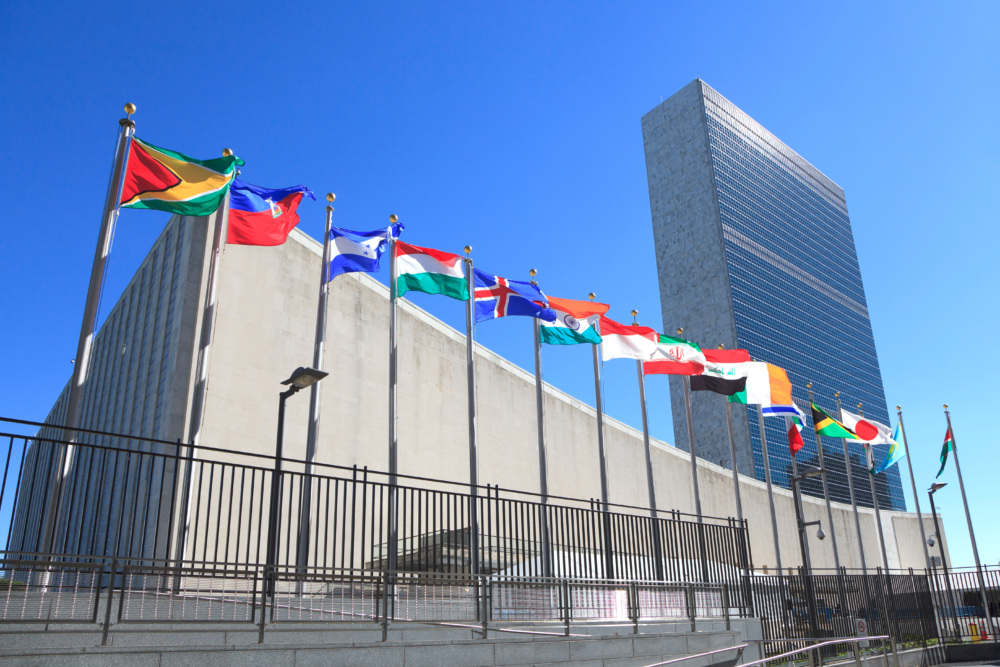
NTI will host three side events at the 10th NPT Review Conference.
Sign up for regular updates on innovative, real-world solutions to existential threats.