
China’s Growing Missile Arsenal and the Risk of a “Taiwan Missile Crisis“
China's growing missile arsenal and ambiguity about its conventional vs. nuclear-armed missiles could trigger a Taiwan Missile Crisis w/ the US. (CNS)
China's growing missile arsenal and ambiguity about its conventional vs. nuclear-armed missiles could trigger a Taiwan Missile Crisis w/ the US. (CNS)
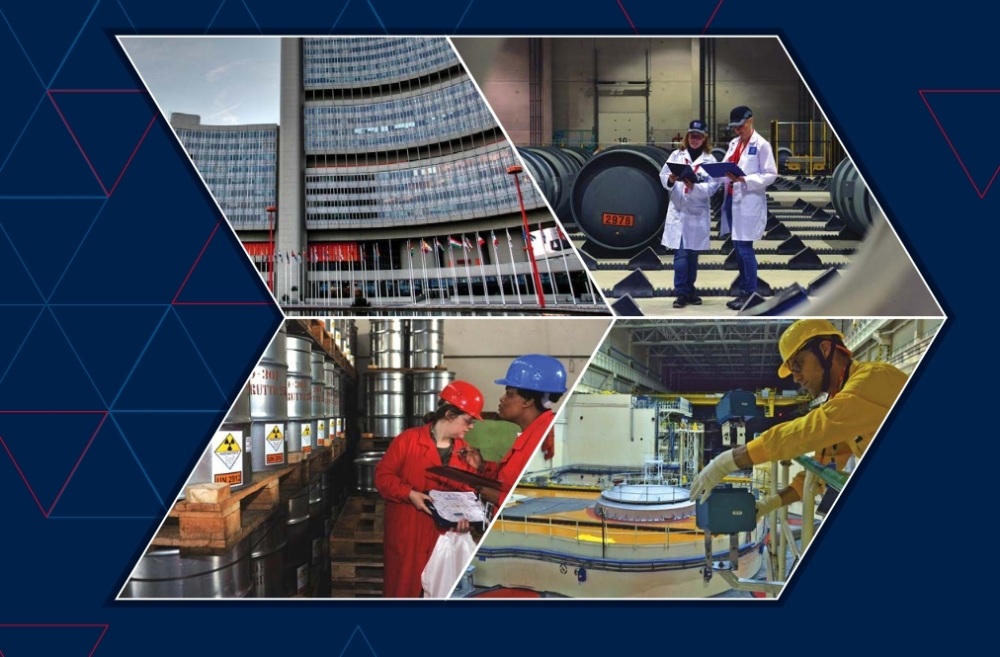
The report includes four short papers written by U.S. and Russian experts with recommendations for the safeguards community, diplomats, and the public to bolster cooperation in this space.
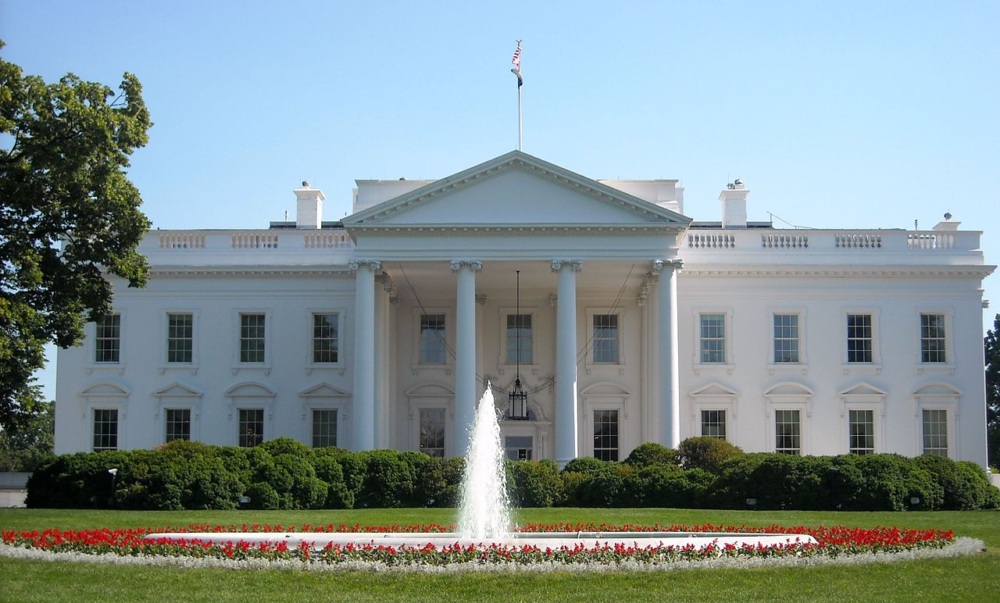
The president of the United States has a duty to keep Americans and the international community safe from nuclear and biological dangers.
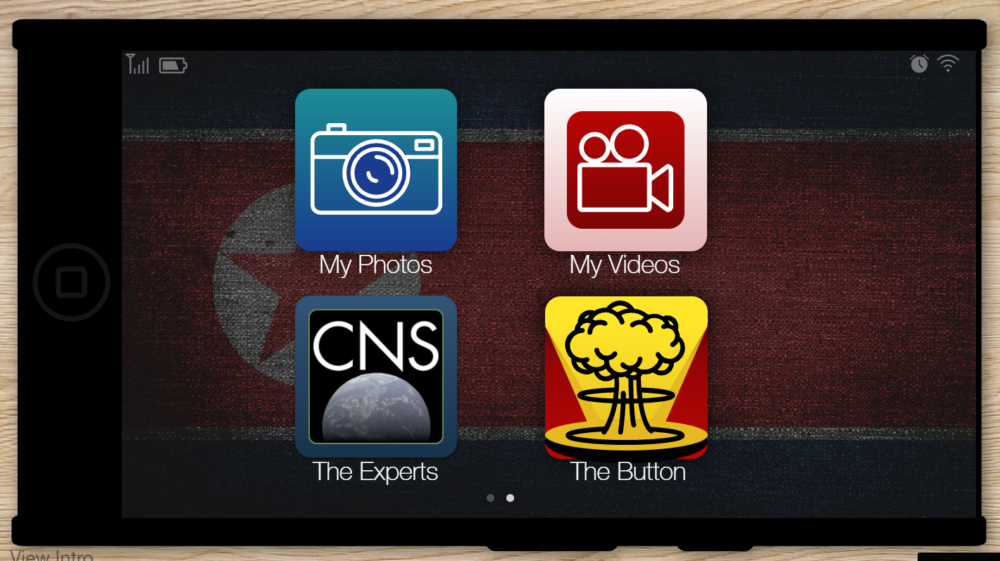
Kim Jong Un may use his smartphone for nuclear command-and-control, increasing the risk of accidental nuclear war between the US and North Korea. (CNS)
NTI | bio convened senior leaders from around the world for a scenario-based tabletop exercise designed to identify gaps in global capabilities to prevent and respond to high-consequence biological events.
In this piece, Vice President of Global Nuclear Policy Lynn Rusten explains that it is much more difficult to develop, negotiate, ratify and implement new nuclear reduction agreements than it is to tear them down.
NTI CEO Ernest J. Moniz explains on the 75th Anniversary of the atomic bombing of Hiroshima that there have been more close calls along the way than most people realize, and new threats increase the danger of a catastrophic detonation.
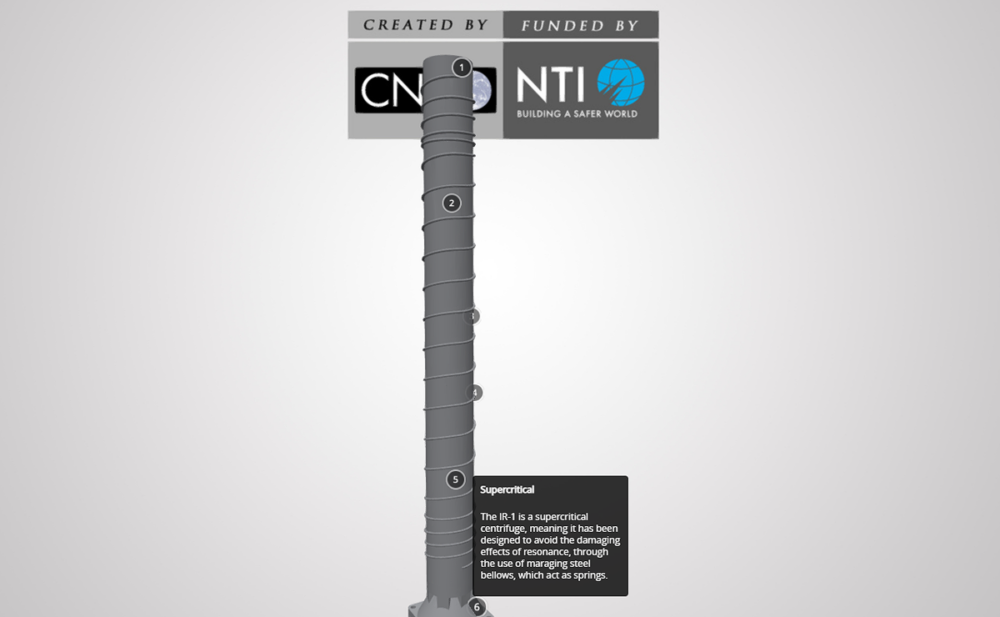
Interactive 3D models of Iranian centrifuges. (CNS)
Sign up for regular updates on innovative, real-world solutions to existential threats.