
In the Euro-Atlantic region today, the risks of a fateful error leading to nuclear conflict are compounded by heightened tensions between NATO and Russia – and little communication between military and political leaders. In the absence of some positive initiative, we will continue to drift toward danger.
This paper is part 6 of the 6-part series, U.S. Nuclear Policy and Posture: Core Steps, 2018–2020.
Preserving and revitalizing arms control agreements is critical to continue progress in verifiably reducing global nuclear stockpiles, preventing proliferation, and increasing stability.
NATO’s security requires a hard look at and new approaches to NATO deterrence and defense through the prism of reducing the risk of nuclear use.
Washington should work with Moscow to eliminate Cold War-era capabilities and force postures that generate fears of a disarming first-strike.
Engaging Russia on the parameters of a new nuclear dialogue is the crucial first step to reducing the risk of nuclear use between the United States and Russia—and globally.
The United States should make clear the purpose of U.S. nuclear weapons is to deter the use of nuclear weapons by others.
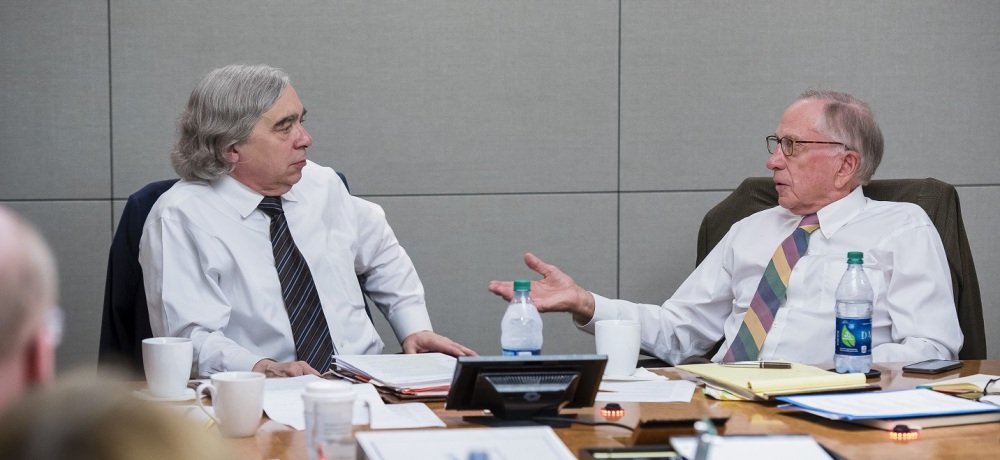
Ernest J. Moniz and Sam Nunn call on the United States and the other nuclear weapons states to take immediate action to reduce the risk of a nuclear accident, mistake or miscalculation in Bloomberg View.
Sign up for regular updates on innovative, real-world solutions to existential threats.