
Cathy Gwin
Senior Director, Communications

New START, the last remaining arms control treaty capping U.S. and Russian nuclear arsenals, expires on February 5. This marks the beginning of a dangerous new era. For the first time in several decades, there will be no limits on nuclear weapons, less visibility into Russian nuclear weapons activities, and fewer tools to manage a crisis between the world’s two largest nuclear powers.

NTI encourages the United States and the Russian Federation to continue to abide by New START’s limits on intercontinental-range nuclear weapons past its scheduled expiration on February 5, 2026.

Participants examined how NWFZs can be productive geopolitical tools amid mounting challenges, including great power competition, disruptive technologies, and a weakening global nonproliferation and disarmament architecture.

In response to the evolving threat environment, NTI convened former senior U.S. government officials and leading U.S. and international experts to examine major aspects of U.S. nuclear posture and policy.
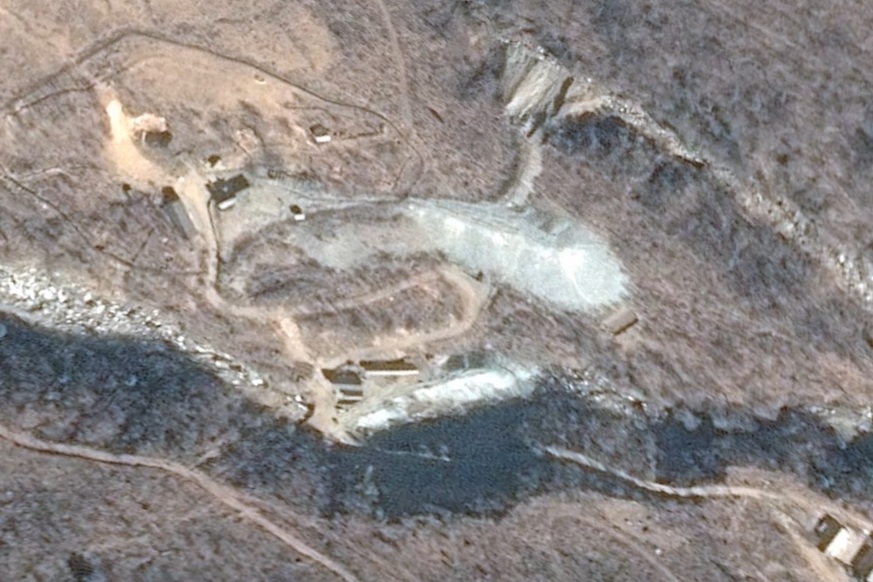
"Testing nuclear weapons is unnecessary for U.S. national security, unwise because it will invite our adversaries to do the same, and unwelcome in communities close to the test site," said Moniz.


Sign up for our newsletter to get the latest on nuclear and biological threats.
Sign up for regular updates on innovative, real-world solutions to existential threats.