

The Younger Generation Leaders
Network on Euro-Atlantic Security
(YGLN) is a capacity-building initiative that is designed to foster dialogue
among emerging leaders from the United States, Russia, Ukraine, and Europe on
contemporary challenges facing the Euro-Atlantic region.
The loss of trust between Russia and the West since 2014 and
the need to normalize relations and re-establish mutually beneficial confidence-building
measures such as military-to-military contacts dominated discussions last month
at the eighth meeting of the Younger Generation Leaders Network on Euro-Atlantic
Security (YLGN).
Held in Berlin, Germany, the meeting explored the domestic and
foreign policy challenges Germany faces today in its role as a leader in Europe
and the world. Specialists from the
German government and the nongovernmental community offered expert opinions,
and network members were fortunate to spend an evening with Ambassador Wolfgang
Ischinger, Chairman of the Munich Security Conference, who shared his views on
Germany, the European Union, relations with Russia, and the erosion of
democracy in Europe and elsewhere. The YLGN also met with one of Germany’s top
diplomats, Dr. Patricia Flor, who currently
holds the post of Director General for International Order, the United Nations,
and Arms Control at the German Federal Foreign Office.

The Ambassador of the Republic of Estonia hosted the YGLN at
his embassy for a panel discussion on the future of the European Union. Experts
from Germany and Estonia shared their frank assessments of the successes and
failures of the EU. They recognized that
despite its many shortcomings, there is no reasonable alternative to this
critically important European institution.
The members of the YGLN, who are experts in their own right on
a wide range of topics, also held three days of panel discussions on issues
that they have been debating for the past several years. Among the topics that were on the agenda were
Ukraine – Prospects for Crisis Resolution; Cybersecurity and Information
Warfare; West-Russia Relations; Populism, Nationalism, and Democratic Erosion
in the Euro-Atlantic Region: Implications for Cooperative Security; and Nuclear
Risks and the Future of Arms Control.

The YGLN was established by the Nuclear Threat Initiative and
the Carnegie Endowment for International Peace in 2014. It includes 77 young
professionals in their 20s and 30s from 28 countries across the Euro-Atlantic
community, with specialists in economics, law, public policy, academia,
journalism, science, and business.
For more on the organization and its members, read previous
issues of Atomic Pulse here and here and here.
Sign up for our newsletter to get the latest on nuclear and biological threats.

The integration of AI into nuclear systems is underway. The guardrails, safety, and security frameworks needed to understand and manage the consequences are not. A new generation of AI-informed nuclear fail-safe reviews is urgently needed in all countries with nuclear weapons.

Most of us think of cognitive biases as quirks of everyday decision-making, but a recent Texas National Security Review study shows they are deeply embedded in people’s attitudes toward nuclear weapons and war.
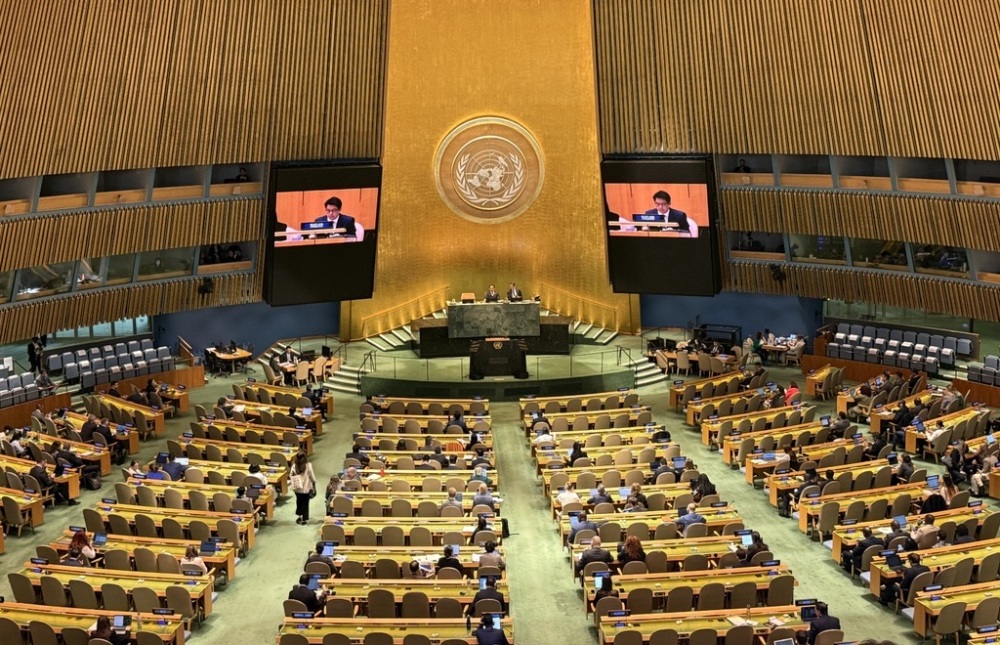
After four weeks of intense negotiations, it is entirely understandable to feel frustration, disappointment, and anger. What we cannot afford is for diplomats, policymakers, and publics to internalize that frustration as resignation.
Sign up for regular updates on innovative, real-world solutions to existential threats.