

U.S. Nuclear Policies for a Safer World
NTI Co-Chairs Ernest J. Moniz and Sam Nunn call on the United States to resume a position of global leadership to reduce the risks posed by nuclear weapons.
NTI Co-Chairs Ernest J. Moniz and Sam Nunn call on the United States to resume a position of global leadership to reduce the risks posed by nuclear weapons.
After the September 2007 Israeli air strike on the alleged reactor at Al-Kibar, should Syria be considered a candidate for nuclear proliferation? (CNS)
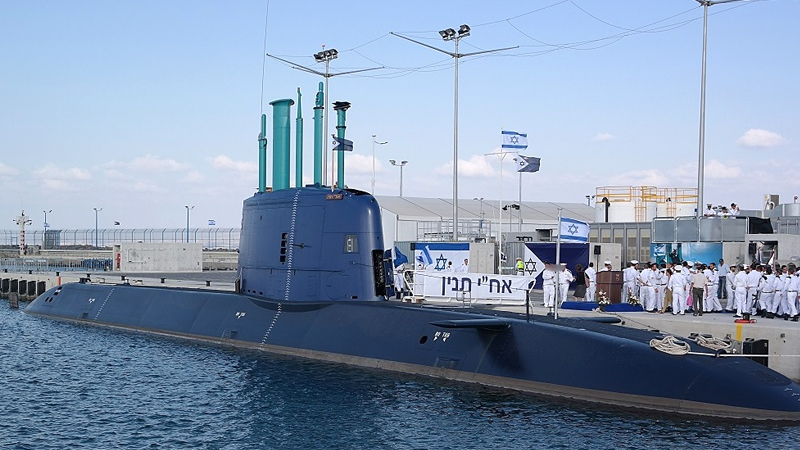
Overview of Israel's submarine capabilities and import-export behavior.
Analysis of increasing interest in civilian nuclear programs among Arab states, as a response to Iran's unchecked nuclear ambitions. (CNS)
This essay collection is designed to encourage the exploration and identification of potential solutions to disincentivize states from developing or using biological weapons. The goal of this collection is to bridge theory and practical policy-relevant approaches to develop new approaches to invigorate international efforts to reduce biological threats.
The November 2003 IAEA Board of Governors resolution issued a stern warning to Iran about not complying with its safeguards agreement. (CNS)
South Asian proliferation trends, linkages with other regions, and the impact of the Indo-US nuclear cooperation agreement. (CNS)
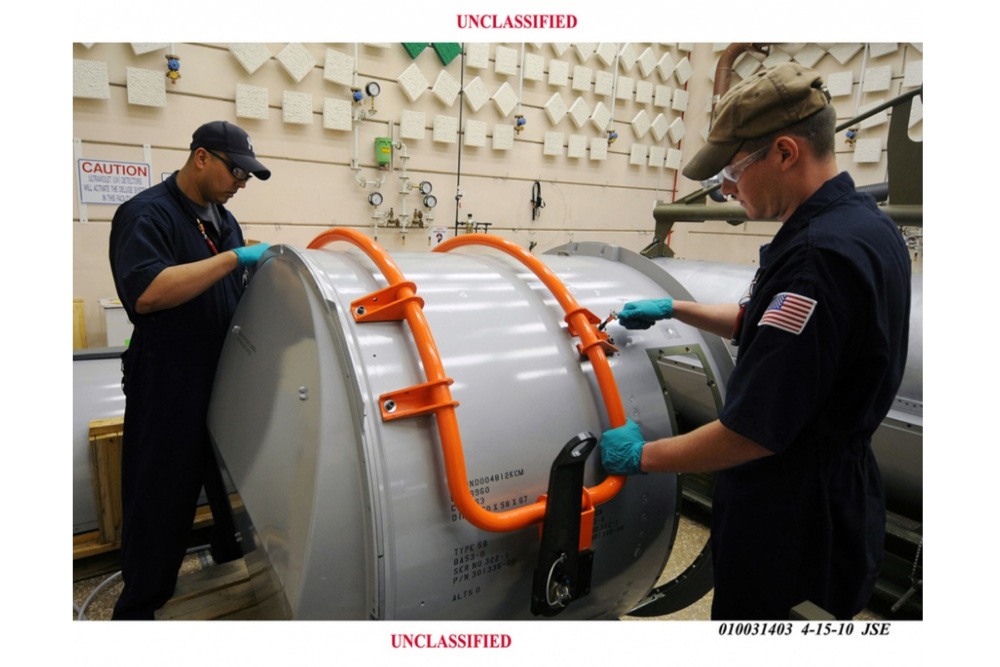
View information and analysis of nuclear weapons disarmament proposals and progress worldwide, including detailed coverage of disarmament progress.
This paper was prepared for "Emerging Technology and Nuclear Non-Proliferation," a conference hosted by the Hoover Institution in November 2019.
The Obama administration's policy shift toward Iran and the Israeli response to this recent shift. (CNS)
Sign up for regular updates on innovative, real-world solutions to existential threats.