Past Event
Integrating Biosafety & Biosecurity into Funding Decisions
Webinar
|
10 am- 11 am EST
Past Event
Webinar
|
10 am- 11 am EST
Amid a combination of economic slowdown, reductions in official development assistance, rising biological threats, and climate change’s disproportionate impact on Africa, leaders and experts call for data-driven tools to guide strategic health security investments.
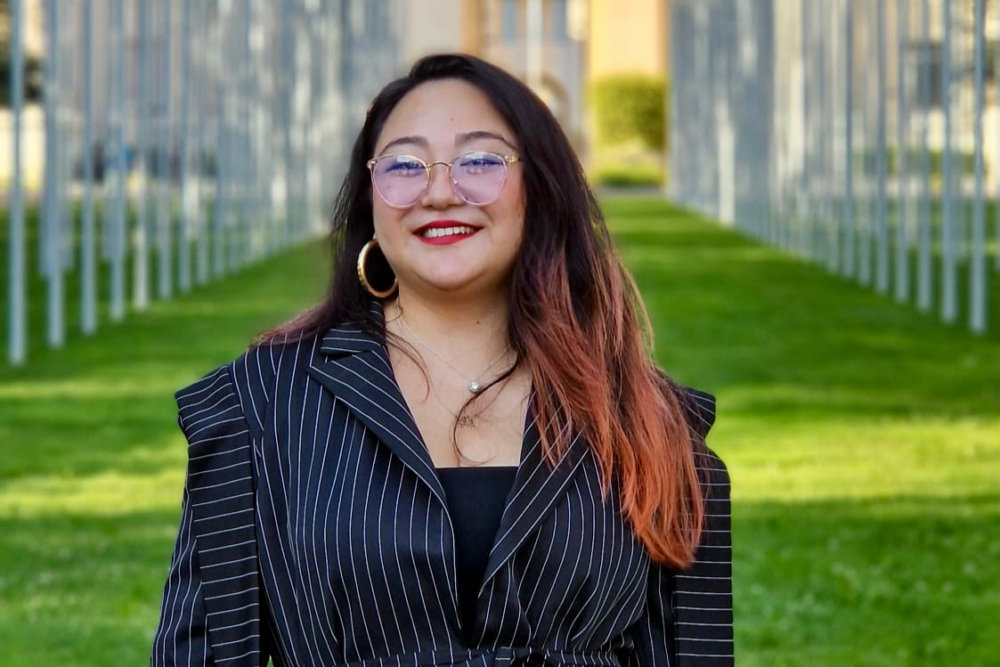
Jezabel Gigena is an emerging biosecurity educator and policy-minded researcher who leads the iGEM Community Mastering Biosafety and Biosecurity project, creating accessible training on dual-use risks and responsible biotechnology. Jezabel is currently pursuing a PhD in biomedical sciences from the University of Ulster, Northern Ireland, and enjoys working with community-driven initiatives to strengthen global biosecurity awareness.
Students and early-career professionals from 19 countries across five continents entered the 2025 competition. The challenge called for innovative papers on how to define “biological weapons” in today’s ever evolving biothreat landscape.
The 2025 Next Generation for Biosecurity Competition Winning Paper
Past Event
Virtual Report Launch
|
11:00 AM – 12:00 PM ET
Article
The Nuclear-Weapon-Free Status of Mongolia prohibits any state from developing or transporting nuclear weapons or radioactive material in Mongolia.
Article
The South Pacific Nuclear-Free Zone (SPNFZ) Treaty of Rarotonga makes the South Pacific a NWFZ, prohibiting nuclear explosive devices in the region.
Article
The United Nations First Committee debates disarmament, nonproliferation, arms control, and international security issues and recommends resolutions.
Article
The United Nations Security Council (UNSC) is the main deliberative UN organ for security issues and the only that can pass legally binding resolutions.
Sign up for regular updates on innovative, real-world solutions to existential threats.
{ location = 'https://www.nti.org/get-updates/' }, 300);">Get Updates