
U.S. Nuclear Policy and Posture: Moving to a Safer, More Secure, More Credible Nuclear Posture in Europe
NATO’s security requires a hard look at and new approaches to NATO deterrence and defense through the prism of reducing the risk of nuclear use.
NATO’s security requires a hard look at and new approaches to NATO deterrence and defense through the prism of reducing the risk of nuclear use.
Washington should work with Moscow to eliminate Cold War-era capabilities and force postures that generate fears of a disarming first-strike.
Engaging Russia on the parameters of a new nuclear dialogue is the crucial first step to reducing the risk of nuclear use between the United States and Russia—and globally.
The United States should make clear the purpose of U.S. nuclear weapons is to deter the use of nuclear weapons by others.
Ernest J. Moniz and Sam Nunn call on the United States and the other nuclear weapons states to take immediate action to reduce the risk of a nuclear accident, mistake or miscalculation in Bloomberg View.

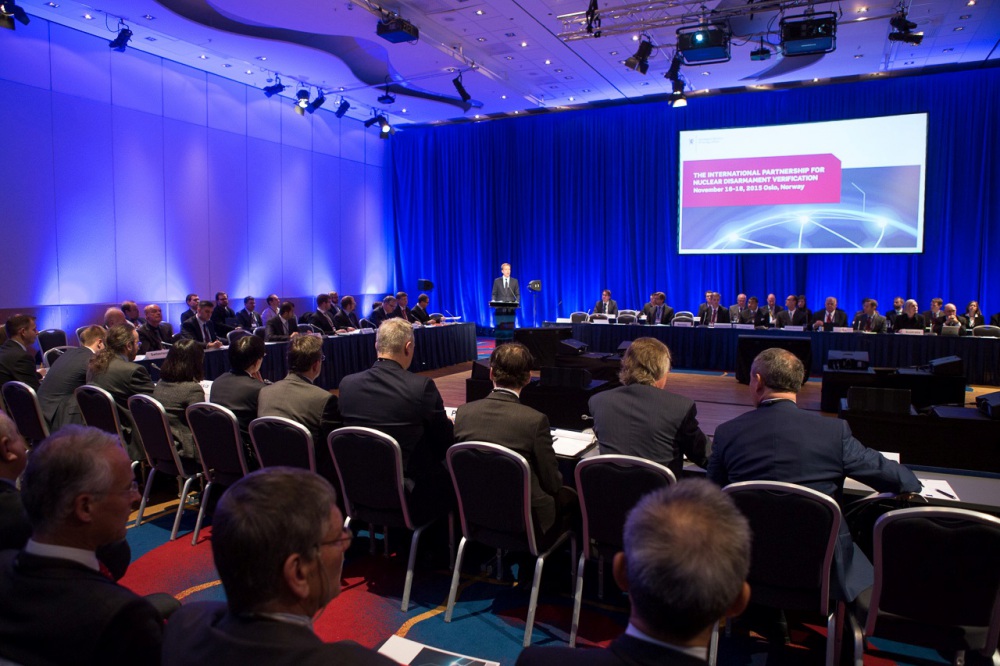
The IPNDV’s progress since its launch in December 2014, drawing on the work done by the government officials and technical experts that compose the project’s three working groups.
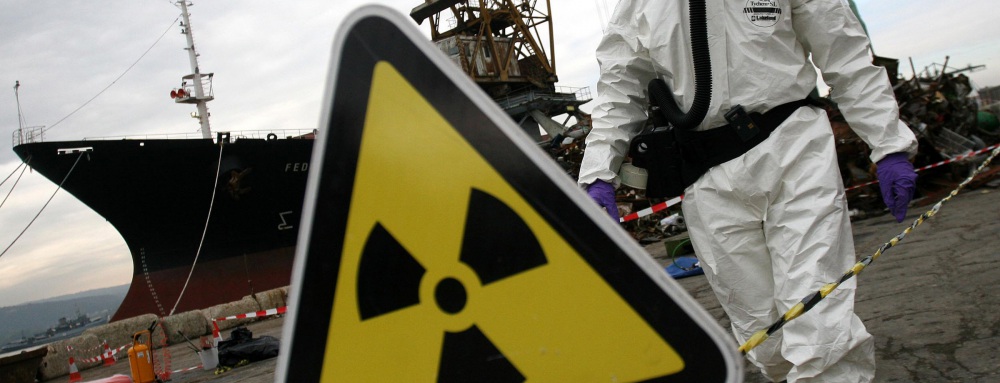
This paper explores the potential for a radiological attack, as well as the possible outcomes of such an event
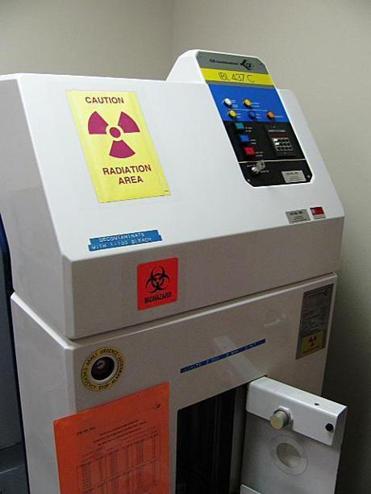
Paper explores “case studies” of national experiences of Japan, France, Norway, and the United States in replacing cesium-137 blood irradiators

A menu of potential projects which could be implemented as appropriate between key stakeholders in India and the United States.
Sign up for regular updates on innovative, real-world solutions to existential threats.