
How to prevent AI-enabled bioterrorism
AI biodesign tools offer many beneficial uses, from engineered crops to vaccine development, but tools that can engineer biological agents could also be misused to cause harm.
AI biodesign tools offer many beneficial uses, from engineered crops to vaccine development, but tools that can engineer biological agents could also be misused to cause harm.

Article
The SEANWFZ Treaty (Bangkok Treaty) preserves Southeast Asia as a Nuclear Weapon-Free Zone and free from weapons of mass destruction.
Article
Global Initiative to Combat Nuclear Terrorism (GICNT) strengthens global capacity to prevent nuclear terrorism through multilateral activities
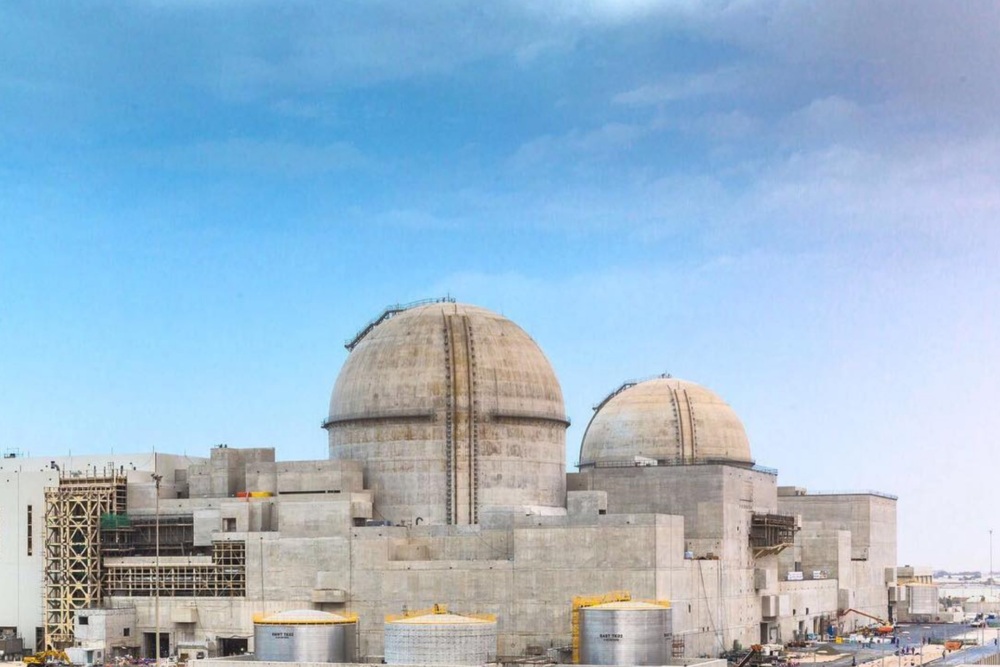
Strong nonproliferation practices can help pave the way for expediting and successfully expanding nuclear energy.
This essay collection is designed to encourage the exploration and identification of potential solutions to disincentivize states from developing or using biological weapons. The goal of this collection is to bridge theory and practical policy-relevant approaches to develop new approaches to invigorate international efforts to reduce biological threats.
Article
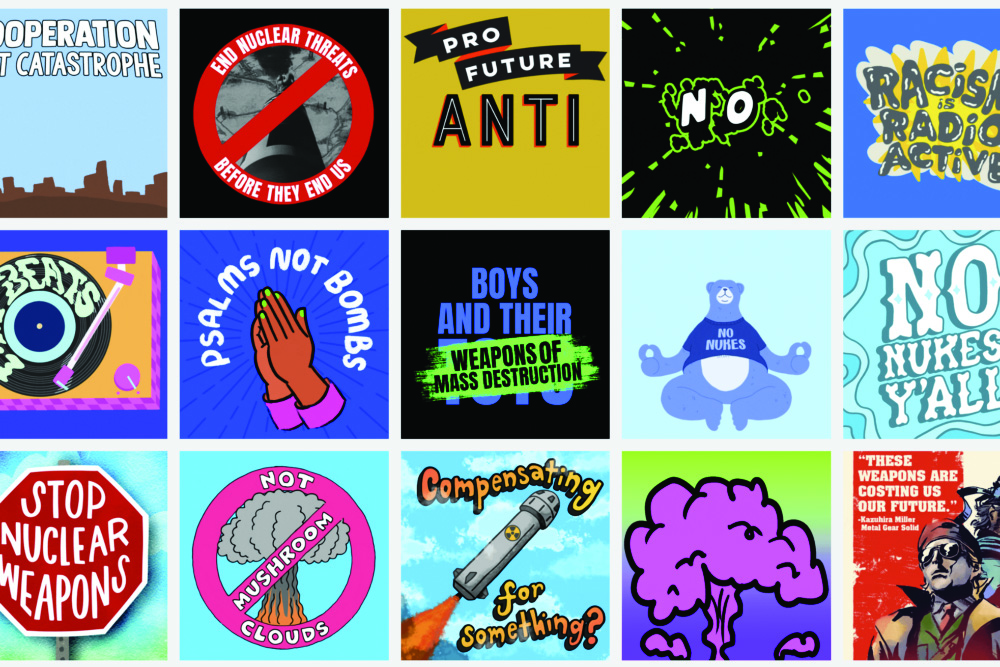
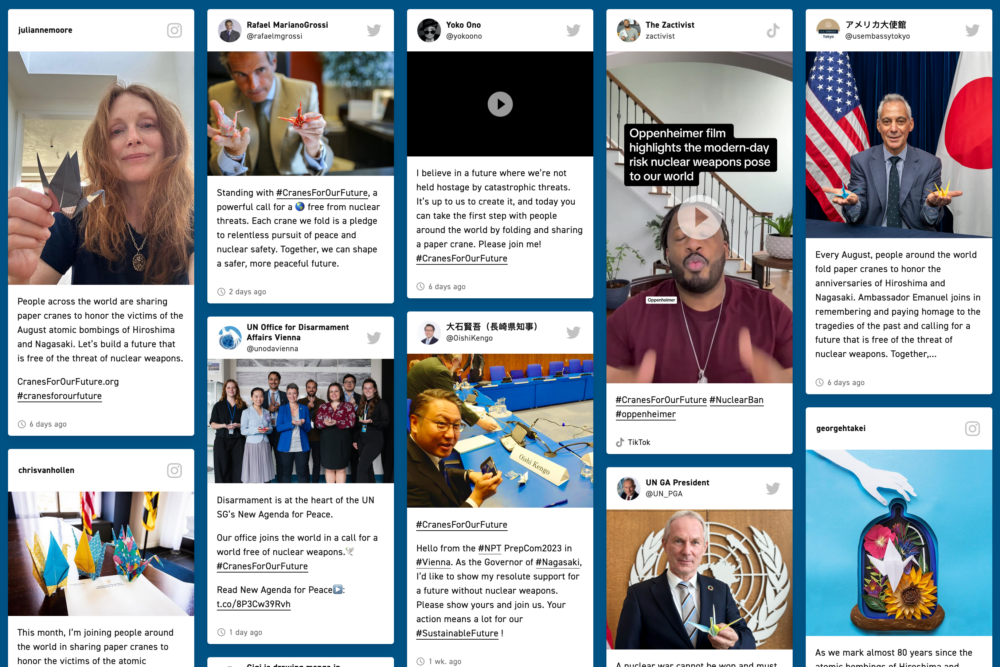
Using GIFs and memes to reframe nuclear deterrence for new audiences
Article
The power to craft a safer future is in our hands.
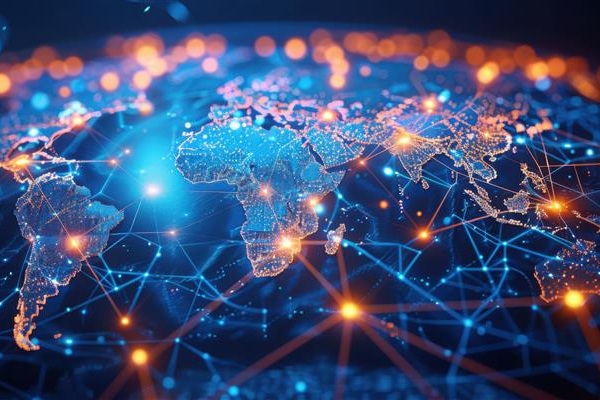
Gaps in healthcare infrastructure and biosecurity capabilities among Global South countries make these regions particularly vulnerable to biological threats, both natural and man-made.
Article
Public awareness and engagement around today’s nuclear, biological, and emerging technology threats is crucial
Sign up for regular updates on innovative, real-world solutions to existential threats.