
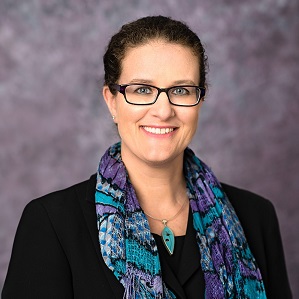
Dr. Elizabeth
(Beth) Cameron has been named senior director for global biological policy and
programs at the Nuclear Threat Initiative, NTI Co-Chairman and CEO
Sam Nunn announced today.
“Since our
founding, NTI has been committed to addressing biological threats,” said Nunn.
“We are very pleased that Beth will be joining NTI to oversee this important
work. She has outstanding credentials
and has the experience, leadership and drive to expand and advance NTI’s work
in this arena.”
Among other
duties, Dr. Cameron will oversee the development of a Global Health Security
Index, as well as work related to national security risks associated with
emerging biotechnologies. The Index was announced by NTI earlier this month
in partnership with the Open Philanthropy Project, the Robertson Foundation and
the Johns Hopkins Center for Health Security.
Dr. Cameron most
recently served as the Senior Director for Global Health Security and Biodefense
on the White House National Security Council staff, where she was instrumental
in developing, launching, and implementing the Global Health Security Agenda. In this role, she reported to the National
Security Advisor and the Assistant to the President for Homeland Security and
Counterterrorism in addressing homeland and national security issues surrounding
biosecurity and biosafety, biodefense, emerging infectious disease threats, biological
select agents and toxins, dual‐use research, and
bioterrorism.
From 2010‐2013,
Dr. Cameron served at the U.S. Department of Defense as office director for
Cooperative Threat Reduction (CTR) and senior advisor for the Assistant
Secretary of Defense for Nuclear, Chemical and Biological Defense Programs. In
this role, she oversaw implementation of the geographic expansion of the Nunn‐Lugar
CTR program.
From 2003‐2010,
Cameron oversaw expansion of the U.S. Department of State’s Global Threat
Reduction programs and supported the expansion and extension of the Global
Partnership Against the Spread of Weapons and Materials of Mass Destruction, a
multilateral framework to improve global chemical, biological, radiological and
nuclear security.
About the Nuclear Threat Initiative
The
Nuclear Threat Initiative works to protect our lives, environment, and quality
of life now and for future generations. We work to prevent catastrophic attacks
with weapons of mass destruction and disruption (WMDD)—nuclear, biological,
radiological, chemical, and cyber. Founded in 2001 by former U.S. Senator Sam
Nunn and philanthropist Ted Turner, NTI is guided by a prestigious,
international board of directors. Sam Nunn serves as chief executive officer;
Des Browne is vice chairman; and Joan Rohlfing serves as president.
Former Energy Secretary Ernest J. Moniz will become CEO and join Nunn and
Turner as co-chairmen on June 1. More
about NTI’s biosecurity program can be found here. Find out more about the development of the
new index here.
Sign up for our newsletter to get the latest on nuclear and biological threats.
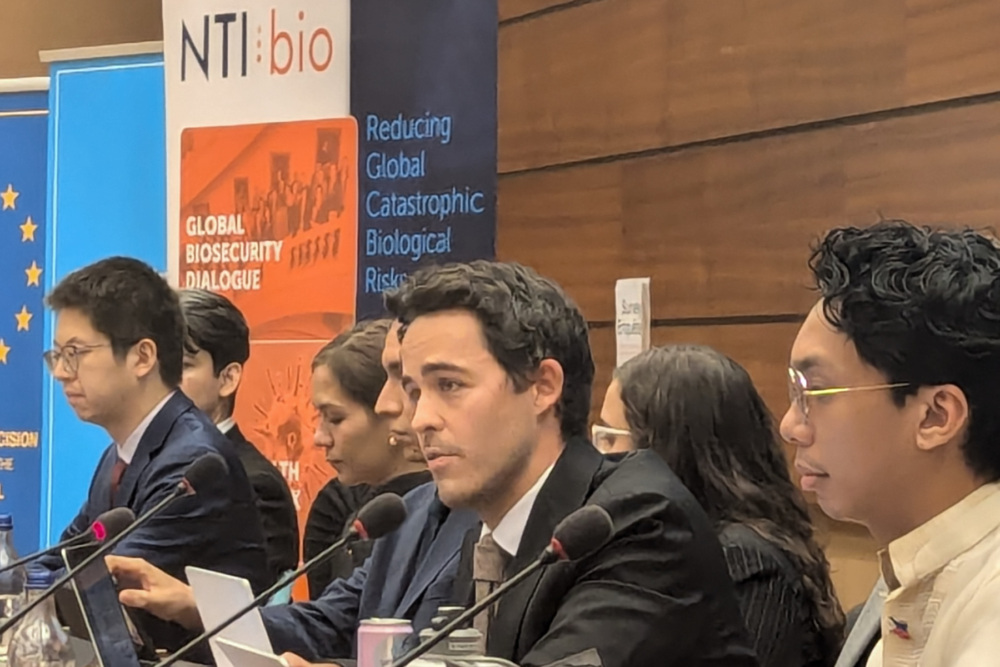
Policy decisions made today will shape the world's ability to prevent and respond to biological threats for decades to come. Meeting that challenge will require more than expert analysis. It will require collaboration across generations of leaders to engage policymakers and the public.
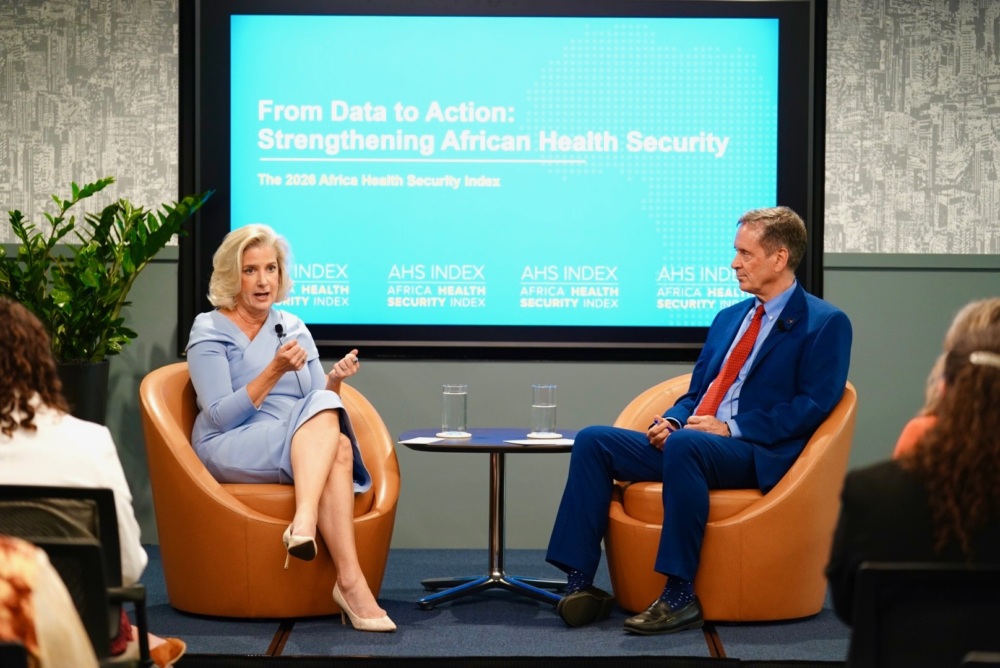
Ambassadors and officials from African embassies, U.S. government representatives, and health security and philanthropic leaders gathered at NTI on October 7 to discuss how data from the 2026 Africa Health Security Index can guide critical decisions to sustain preparedness across the continent.

NTI | bio and the Center for International Security and Strategy (CISS) at Tsinghua University convened a virtual dialogue on risks at the convergence of artificial intelligence and the life sciences (AIxBio).
Sign up for regular updates on innovative, real-world solutions to existential threats.