NTI CEO Christine Wormuth on Opportunities to Strengthen Security Through Cooperation at the Trump-Xi Summit
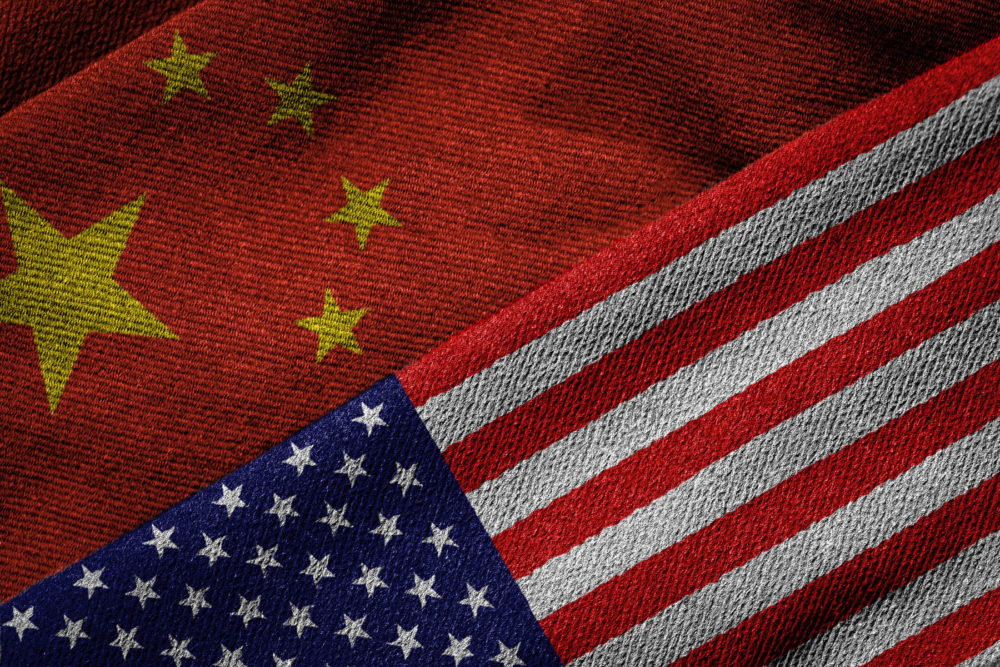
The Summit can produce outcomes that strengthen U.S. national security and reduce global nuclear and biological risks
About the image
Does Russian President Vladimir Putin’s decision to attend the Shanghai Cooperation Organization (SCO) rather than the Group of Eight (G8) represent a break in Russia’s commitment to global nonproliferation policy? A new issue brief by Helen Kei and Bryan Lee of the Monterey Institute of International Studies explores what some interpret as a deepening split between Moscow and Washington.
“Despite the obvious importance of China, Putin’s choice to skip a meeting with the leaders of the largest Western economies to attend a summit with the impoverished nations of Central and South Asia immediately raised questions among observers and pundits about Russia’s future foreign policy direction.”
The analysis suggests that the general consensus between the countries on nonproliferation policy will continue, though notes some potentially serious differences between Russia and the West.
Read the paper.
Sign up for our newsletter to get the latest on nuclear and biological threats.
The Summit can produce outcomes that strengthen U.S. national security and reduce global nuclear and biological risks
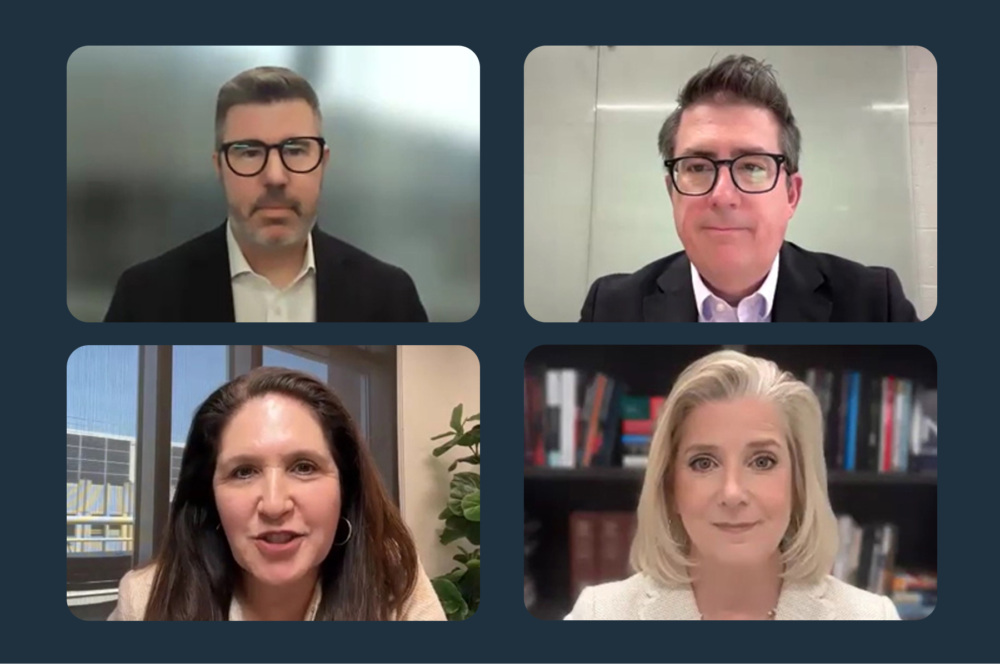
The panel painted a stark picture of what the war may mean for Iran’s nuclear program.
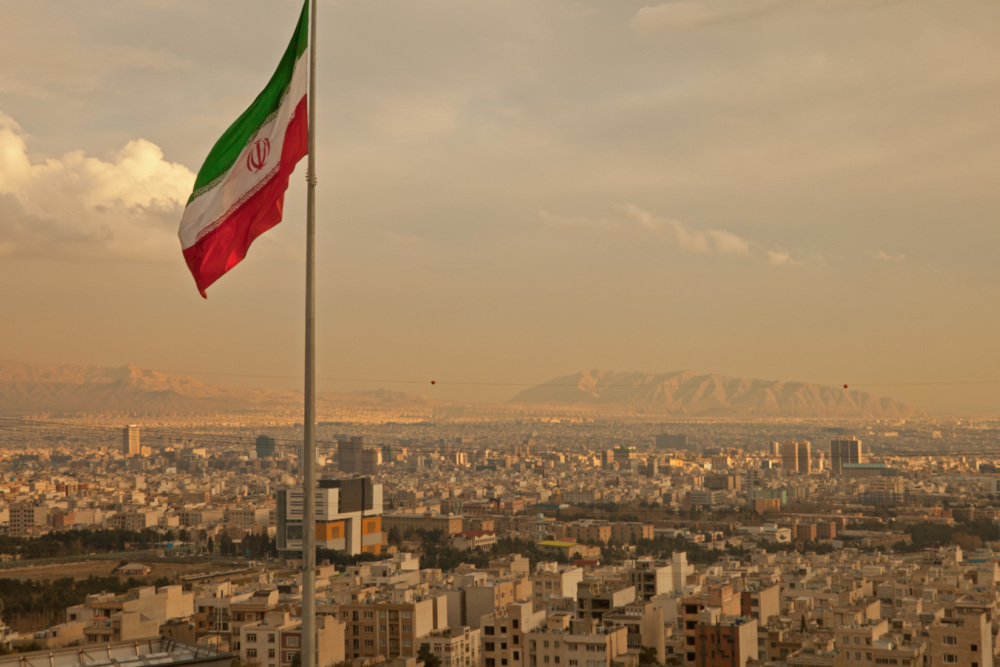
The ongoing major combat operations introduce serious nuclear security and proliferation risks.
Sign up for regular updates on innovative, real-world solutions to existential threats.