
Angela Kane
Fellow
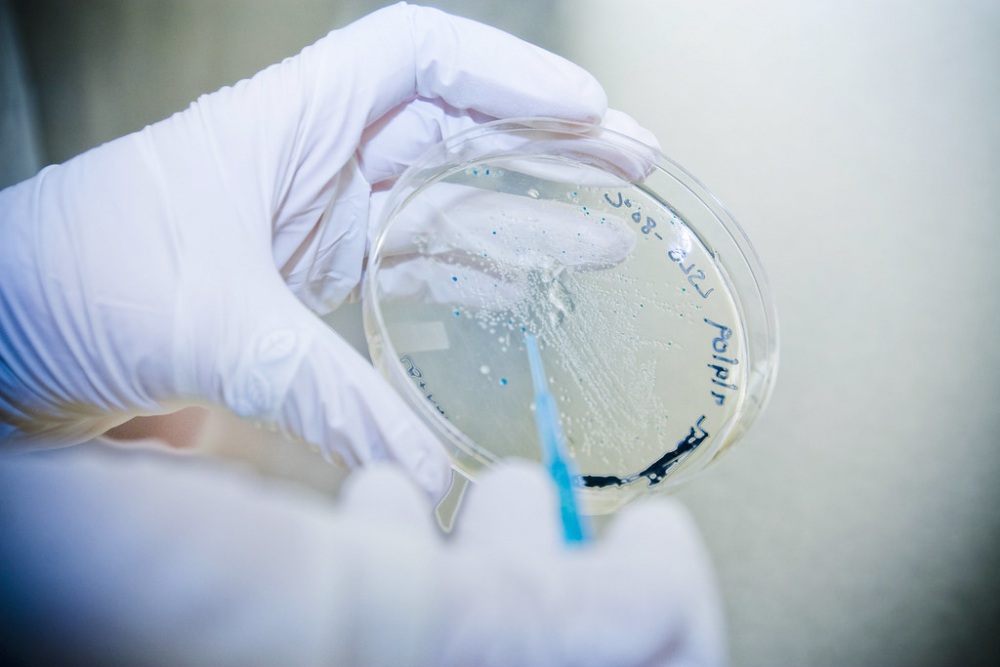
In an op-ed for The Hill, NTI Senior Advisor Angela Kane and Vice President for Global Biological Policy and Programs Jaime Yassif acknowledge the importance of the ongoing investigation into the source of the COVID-19 pandemic. However, the authors suggest that the more critical question is how the international community will determine the origins of the next pandemic and put systems in place for a more rapid and effective response.
“Assessing the origins of a pandemic is a difficult but critically important task,” write Kane and Yassif. “Done correctly, such as assessment can provide information to inform the public health response and curtail the pathogen’s spread… it can help us understand what happened so we can close dangerous biosecurity and biosafety gaps.”
Working alongside international partners, NTI is working to establish a Joint Assessment Mechanism (JAM) within the United Nations Secretary General’s office. As the authors explain, the JAM “would fill a significant gap in the international community’s ability to discern the source of high-consequence biological events of unknown origin. Its mandate would be to establish the facts — specifically, whether the event emerged naturally or was accidentally or deliberately released from an academic, commercial or government laboratory.”
In the full op-ed, Kane and Yassif offer additional information on why the JAM is urgently needed and how it would operate. Read the piece, originally published on March 17, 2022, on The Hill’s website here.
Sign up for our newsletter to get the latest on nuclear and biological threats.

Biological Weapons Convention (BWC) States Parties have a critical window of opportunity to take concrete steps toward enhancing transparency and building confidence in compliance with the norm against biological weapons development.

This essay collection is designed to encourage the exploration and identification of potential solutions to disincentivize states from developing or using biological weapons. The goal of this collection is to bridge theory and practical policy-relevant approaches to develop new approaches to invigorate international efforts to reduce biological threats.
The Index documents continent-wide gains across laboratory systems, biosurveillance, biosecurity and biosafety, manufacturing, and emergency response.
Sign up for regular updates on innovative, real-world solutions to existential threats.