

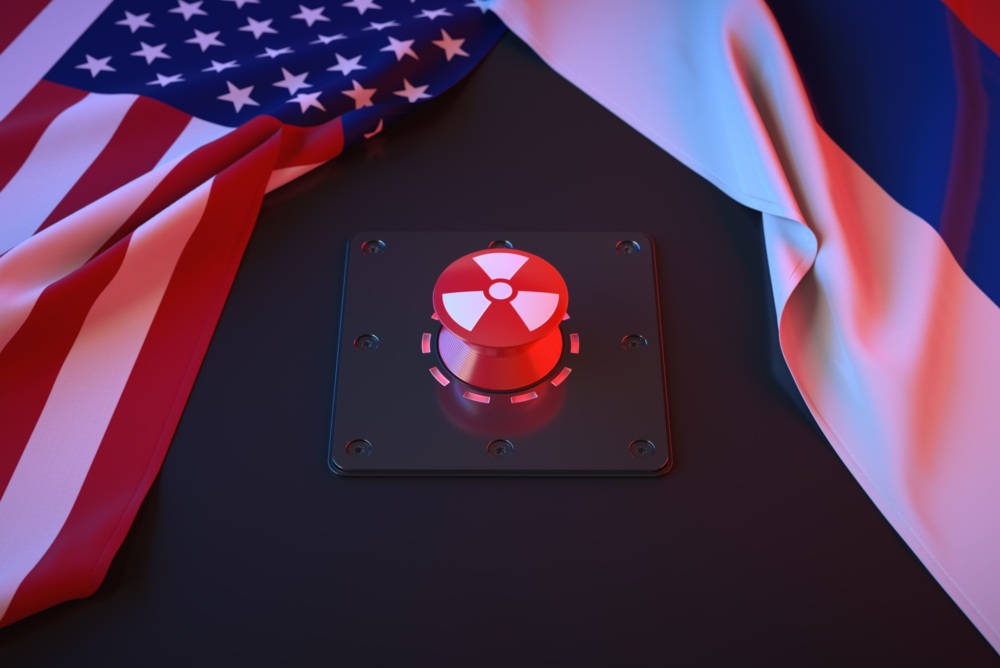
In the modern nuclear age, there is no more urgent task than understanding and mitigating the potential risks posed by the interaction of advancing cyber capabilities and nuclear weapons systems.
This report—resulting from dialogues between American and Russian non-government experts held in 2020 and 2021 before the start of the war in Ukraine—highlights the critical need for a global diplomatic approach to address growing cyber risks, including, where possible, through cooperation between the United States and Russia. It offers specific recommendations formulated through the dialogues that are intended to reduce cyber risks, improve strategic stability, and prevent the catastrophic use of nuclear weapons.
Sign up for our newsletter to get the latest on nuclear and biological threats.
The Nuclear Threat Initiative (NTI), Euro-Atlantic Security Leadership Group (EASLG), Asia-Pacific Leadership Network (APLN), and European Leadership Network (ELN) have worked since March 2020 to highlight the benefits of independent, internal “fail-safe” reviews in nuclear-armed states.
“The bottom line is that the countries and areas with the greatest responsibility for protecting the world from a catastrophic act of nuclear terrorism are derelict in their duty,” the 2023 NTI Index reports.
Deputy Vice President for NTI’s Nuclear Materials Security Program Eric Brewer writes that “although Russia’s war [in Ukraine] has created nuclear risks, the risk that it will unleash a wave of nuclear proliferation is lower than many believe.”
Sign up for regular updates on innovative, real-world solutions to existential threats.