

Logan Mintz
Director, Nuclear Materials Security

This paper was published by the Hinrich Foundation. Read the full paper on their website.
Limited access to the Strait of Hormuz has heightened energy security concerns around the world. Data centers and artificial intelligence are driving demand worldwide for secure means of powering the future economic development of sovereign nations. Meanwhile, rising sea levels underscore the impact that fossil fuels have had on climate change. With this context, many in the international community are searching for the secure and sustainable development of energy.
Nuclear energy currently provides about 10% of global electricity, but the future demand is clearly growing, with more than 30 countries committed to tripling its use by 2050. These countries are considering nuclear energy as a reliable source of clean and firm — meaning guaranteed to be available to the grid regardless of weather conditions, time of day, or other blackout risks — electricity that can mix with other types of power sources.
Southeast Asia, in particular, has begun to chart a path toward nuclear energy, motivated in part by projections that the region’s total energy demand could triple by 2050. Most Southeast Asian countries have relied on imported fossil fuels to date, but such a rapid increase in electricity demand will require a continuous and higher density supplement.
The region is ripe for nuclear energy, but it will need to work closely with international partners to get a commercial program off the ground.
Sign up for our newsletter to get the latest on nuclear and biological threats.
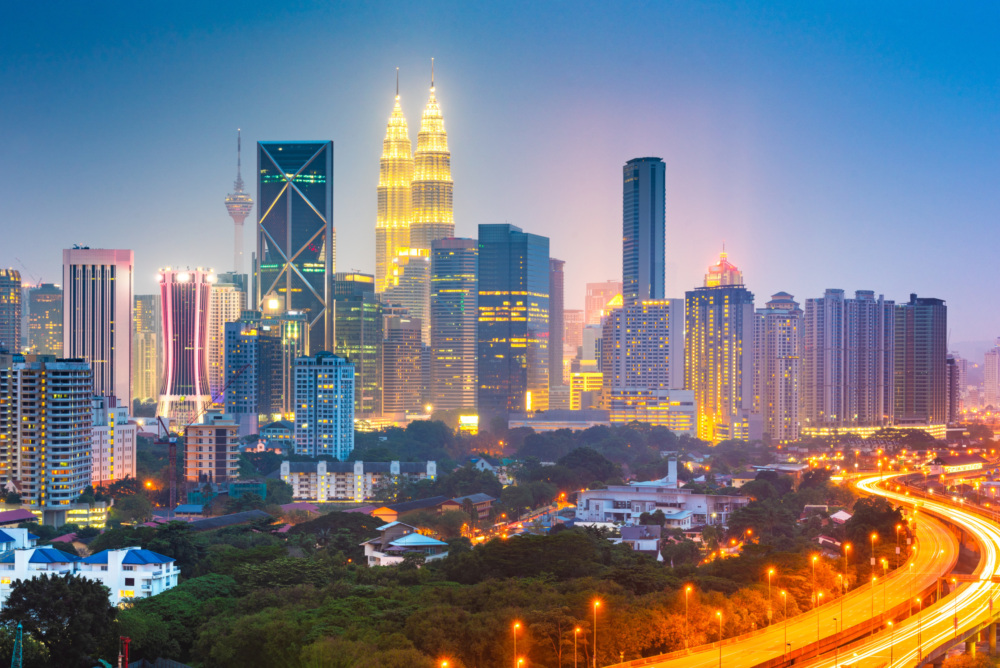
Decisions that countries are considering now could determine whether nuclear energy in the region actually moves forward, at what scale, and whether it is ultimately a problem-solver or a problem-maker. This article organizes the future of nuclear energy in Southeast Asia around four decision points: strategic goals, technology selection, fuel sourcing, and waste management.
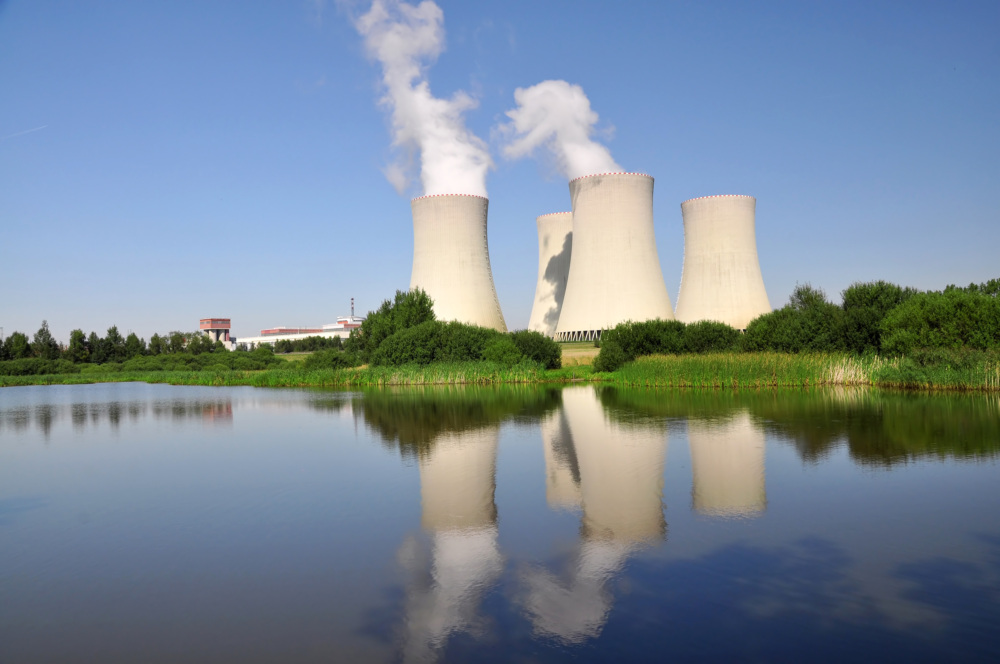
At this critical juncture for action on climate change and energy security, 20 NGOs from around the globe jointly call for the efficient and responsible expansion of nuclear energy and advance six key principles for doing so.
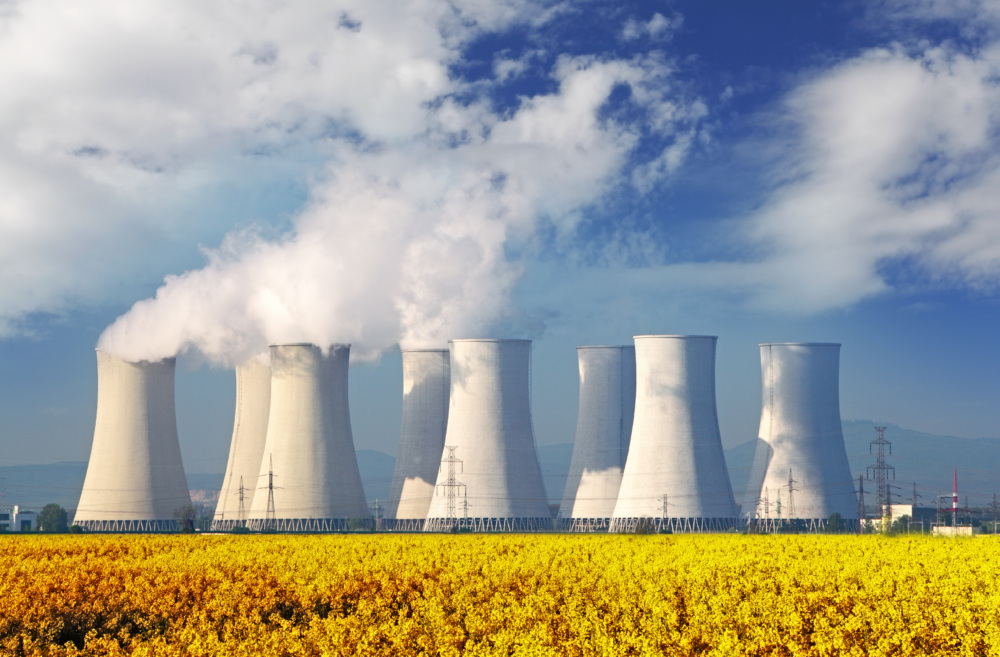
To make good on their COP28 pledge, countries need a new approach to building, regulating, and financing nuclear technology.
Sign up for regular updates on innovative, real-world solutions to existential threats.