

Ross Matzkin-Bridger
Senior Director, Nuclear Materials Security
This paper was published by the Hinrich Foundation. Read the full paper on their website.
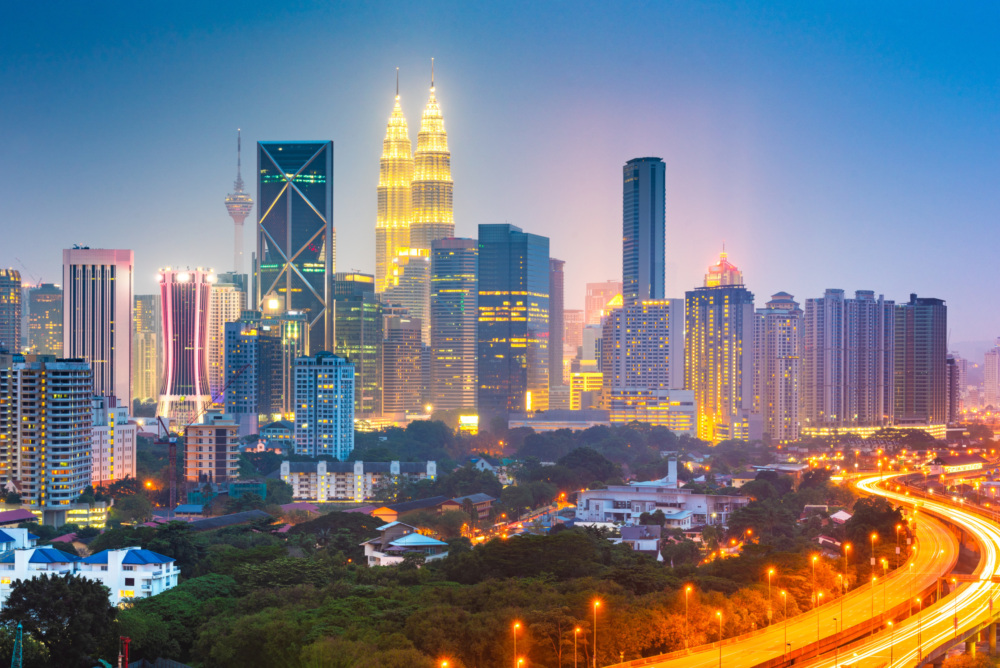
As countries across Southeast Asia look to diversify their fossil fuel-dominated energy portfolios, nuclear power is getting more attention than ever. Vietnam is moving swiftly to revive plans for a suite of new reactors it wants to bring online within the next decade. The Philippines is seeking to start a decades-old power reactor that was constructed but never operated. Indonesia has a timeline and a capacity target. Malaysia has written nuclear back into national planning. Singapore, which deemed in 2012 from its pre-feasibility study that conventional large nuclear reactors were unsuitable for deployment on the tiny island state, is now heavily engaged with global partners and the International Atomic Energy Agency (IAEA) to assess its options for deploying small modular reactors (SMRs). Other countries across the region are putting in serious thought as well.
The ambitions for nuclear energy across Southeast Asia are higher than ever, but turning these goals into reality will require careful planning. Decisions that countries are considering now could determine whether nuclear energy in the region actually moves forward, at what scale, and whether it is ultimately a problem-solver or a problem-maker. The potential good that nuclear energy can do for Southeast Asia is enormous, but missteps would be costly. The first nuclear energy movers in the region will set the tone not only for how this resource develops in their own country, but also for the region as a whole. Decisions made today will reverberate for decades to come. It is important to understand where the most consequential options lie and what they entail so that governments, industry, and community stakeholders can make well-informed choices.
This article organizes the future of nuclear energy in Southeast Asia around four decision points: strategic goals, technology selection, fuel sourcing, and waste management. Each requires thought now to lay the foundation for a future where nuclear energy is available, affordable, safe, and secure for those in the region who want it.
Sign up for our newsletter to get the latest on nuclear and biological threats.
At this critical juncture for action on climate change and energy security, 20 NGOs from around the globe jointly call for the efficient and responsible expansion of nuclear energy and advance six key principles for doing so.
To make good on their COP28 pledge, countries need a new approach to building, regulating, and financing nuclear technology.

The Playbook emphasizes the need for a holistic approach to scaling nuclear energy, considering the unique challenges and opportunities specific to each country, and highlights the role that new international institutions could play in supporting a global nuclear expansion.
Sign up for regular updates on innovative, real-world solutions to existential threats.