

Jake Jordan, PhD
Vice President, Global Biological Policy & Programs
Rapidly advancing capabilities at the convergence of AI and the life sciences offer significant benefits but could also be misused with potentially catastrophic global consequences.
Work with international partners to develop governance approaches and technical solutions to safeguard AIxBio capabilities.
Development and international deployment of effective safeguards that secure the benefits of AIxBio capabilities while guarding against the risks of misuse.
Vice President, Global Biological Policy & Programs

Deputy Vice President, Global Biological Policy and Programs

Program Officer, Global Biological Policy and Programs

Technology Governance Solutions, LLC

Principal, Science Policy Consulting

Emerging Technology Solutions LLC
The world is experiencing a 21st century revolution in bioscience and biotechnology, which is now accelerating due to the convergence of artificial intelligence with the life sciences. These advances offer tremendous potential societal benefits—including for human health and economic development—but they also pose significant risks. Scientists have demonstrated the successful application of artificial intelligence to predict protein folding, which is a major advance in fundamental bioscience research. Scientists are now applying AI to developing novel designs for proteins and more complex biological systems, and to broader challenges in bioscience and bioengineering. While these advances have the potential to be extremely valuable for basic research and medical applications, there is also a significant risk that these tools could be exploited by malicious actors to develop novel toxins or enhance pathogens for use as bioweapons.
Scientists and technologists are moving quickly with the goal of providing widely distributed open-source AIxBio capabilities. However, there is limited shared understanding of potential biosecurity risks and no guidelines for how to guard against potential misuse of these tools.
Successfully reducing biological risks that may arise from the misuse of AI tools will require a layered defense at multiple points throughout the bioscience and biotechnology research and development life cycle.
NTI has established the AIxBio Global Forum to provide a platform for government policy makers, AI model developers, and biosecurity experts to tackle these challenges. The Forum enables the development of a shared understanding of the opportunities and risks posed by the convergence of AI and the life sciences, sharing of best practices for safeguarding AIxBio capabilities, and pursuit of a shared research agenda for advancing these goals.
NTI is also conducting research on new technical guardrails for AI-enabling biodesign tools and partnering with international experts to advance pilot projects that explore new solutions that can reduce risks of deliberate or accidental misuse. These include:
The development of SynthID Bio by a major frontier AI lab is an important reminder that responsible development and cutting-edge progress are not mutually exclusive.
As protein design tools and other biological AI models become more capable of designing novel biological components and systems, the mechanisms to prevent misuse have not kept pace.
NTI President and CEO Christine E. Wormuth joins fellow leaders in calling on U.S. policymakers to act with urgency and establish clear national standards for DNA synthesis screening.
With AIxBio tools advancing faster than many experts predicted, new AIxBio Horizon Scan provides early insights to support stronger safety, security, and governance decisions.
The AIxBio field stands at a critical juncture where rapid capability advances are outpacing governance frameworks and safety measures. The next 18 months will likely prove pivotal in determining whether voluntary safety practices by AI companies, emerging evaluation frameworks, and international coordination efforts can keep pace with technological development.
The convergence of artificial intelligence and the life sciences is reshaping what’s possible in biology, delivering major advances–ranging from accelerating vaccine discovery to advancing new tools for mitigating the effects of climate change–and new risks. NTI | bio’s AIxBio Horizon Scan looks ahead to where AIxBio capabilities are headed over the coming years.
Some of the world’s largest AI companies—Google DeepMind, OpenAI, and Anthropic—have warned that their models could be misused to cause harm with biology. The India AI Impact Summit is a critical moment for policymakers, scientists, developers, and biosecurity experts to work together on responsible governance that reduces AIxBio risks.

Managed access will be critical for reducing biosecurity risks related to the misuse of biological AI tools. By working to develop best practices for each element of this framework—risk levels, tiered access, and practices to verify legitimacy—developers of biological AI tools and the broader life sciences community can reduce risks while maintaining the benefits of these tools.
Past Event
Virtual Paper Release
|
11AM - 12PM EST
The AI-biology convergence offers enormous benefits but also brings about risks as we’ve never seen before. Without action from multiple disciplines, the race for AI development and dominance could become a race to the bottom when it comes to safety and security.

AIxBio capabilities hold immense promise—but they also introduce unprecedented risks. The exploitation of AIxBio capabilities for harm is a plausible near-term risk—and the time for action is now. NTI | bio offers actionable recommendations for governments, industry leaders, and philanthropic organizations to prevent catastrophic misuse.

Past Event
Virtual Report Launch
|
11:00 AM – 12:00 PM ET
Innovation requires security, and security requires innovation. Congress needs to act decisively to ensure U.S. leadership in biotechnology is paired with governance that keeps its development secure.

As the capabilities of biological AI tools continue to advance at an accelerating pace, it is vital that DNA synthesis providers and others in the biosecurity space embrace new guardrails to prevent their misuse.
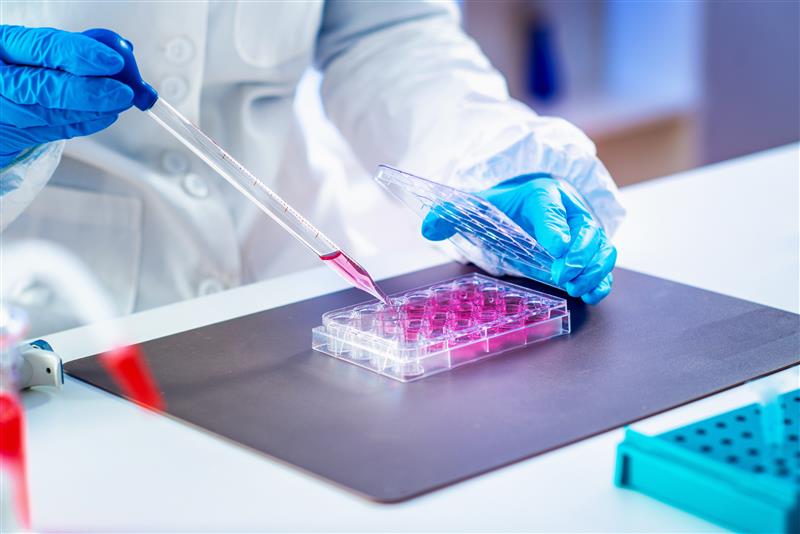
Over the past decade, governments, private industry, and academic institutions have increased their investments in bioscience research and development, yielding global benefits. However, these advancements have also increased the risk of deliberate misuse of biology to cause harm.
NTI | bio partnered with Lattice Automation to design and pilot a standard for capturing and transmitting metadata.
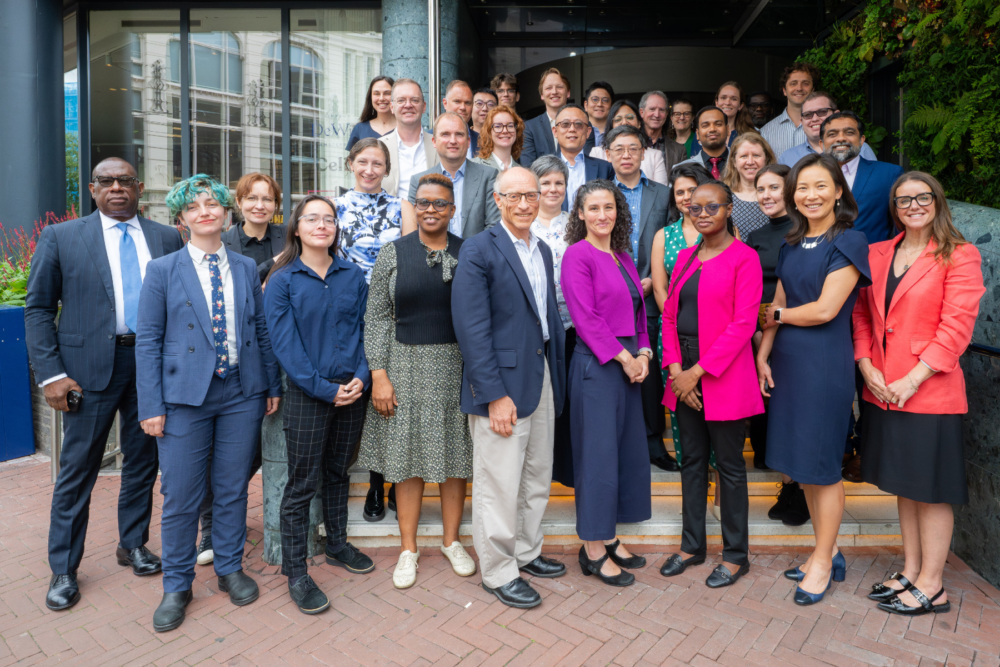
NTI | bio convened global experts for the 2025 Biosecurity Innovation Risk Reduction Initiative (BIRRI) meeting to discuss safeguarding rapidly advancing bioscience and biotechnology capabilities, focusing on three key areas: DNA synthesis screening, safeguarding AIxBio capabilities, and guarding against mirror life risks.

More than 35 leading experts highlight the risks posed by rapidly advancing capabilities at the convergence of AI and the life sciences and call on governments, industry, the scientific community, and funders to take action to safeguard this technology.

NTI | bio has responded to the U.S. government request for information (RFI) related to the Artificial Intelligence (AI) Action Plan outlined by President Donald Trump’s January 2025 Executive Order, providing input on the highest priority actions to maintain and extend U.S. global leadership on AI.
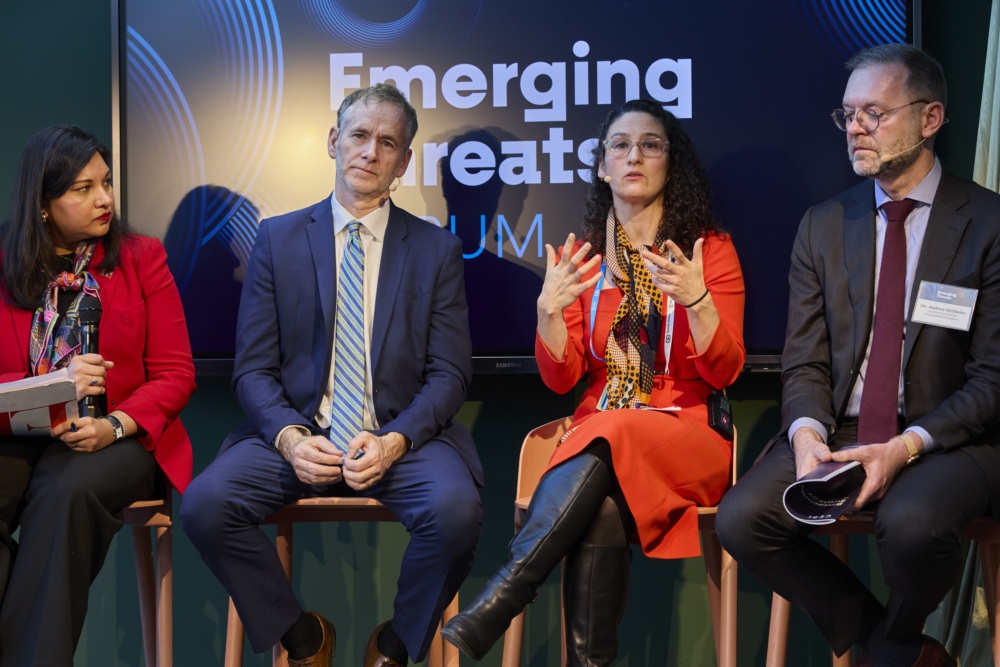
A pandemic is not a once in a century event, and the international community must prepare now for the next one. It is essential the international community strike a balance between fostering and supporting beneficial AIxBio innovation while guarding against accidental or deliberate misuse of these tools.
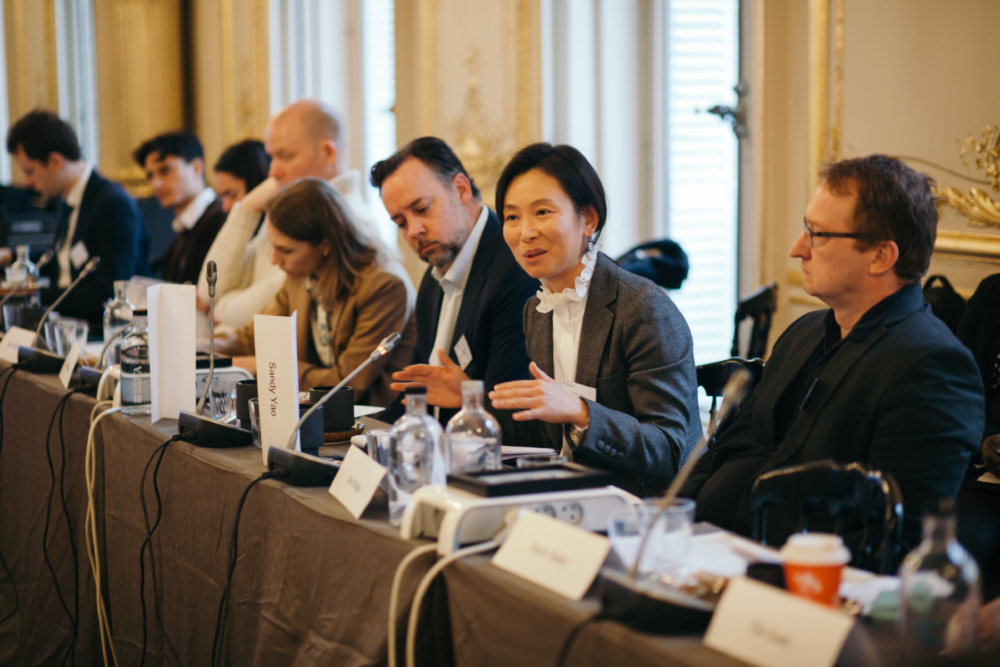
The official side event focused on safeguarding capabilities at the convergence of AI with the life sciences.

NTI will join world leaders and policy makers at the 2025 Munich Security Conference (MSC) where NTI Co-Chair and CEO Ernest J. Moniz and colleagues will host multiple side events focused on reducing nuclear, biological, and emerging technology threats imperiling humanity.
AI biodesign tools offer many beneficial uses, from engineered crops to vaccine development, but tools that can engineer biological agents could also be misused to cause harm.
NTI | bio’s new report, Developing Guardrails for AI Biodesign Tools, outlines several risk reduction measures that could be deployed to reduce the risks associated with biodesign tool development and release.
NTI | bio convened more than 25 high-level biosecurity professionals, AI experts, and policymakers for the inaugural meeting of the International AI-Bio Forum.
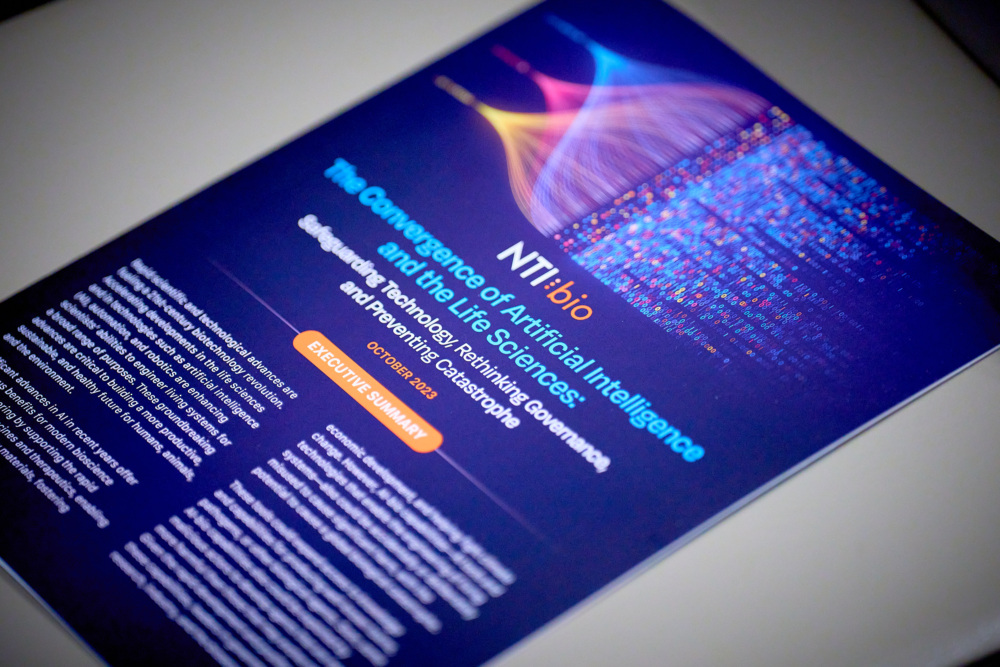
New report from NTI | bio offers recommendations for urgent actions that leaders within government, industry, the scientific community, and civil society should take to safeguard AI-bio capabilities.
Sign up for regular updates on innovative, real-world solutions to existential threats.