

Rising to the Challenge: Emerging Leaders in Nuclear Security
The collection of essays highlight how the next generation of experts are grappling with today’s most urgent nuclear security challenges.
The collection of essays highlight how the next generation of experts are grappling with today’s most urgent nuclear security challenges.

Since the AIxBio Horizon Scan Winter 2025-2026 published in March 2026, there has been steady, incremental progress across AI-enabled biological tools. Protein design tools have continued to improve, agentic coding tools have matured in ways that lower barriers to computational biology, and commercial AI companies are making significant investments in the life sciences.
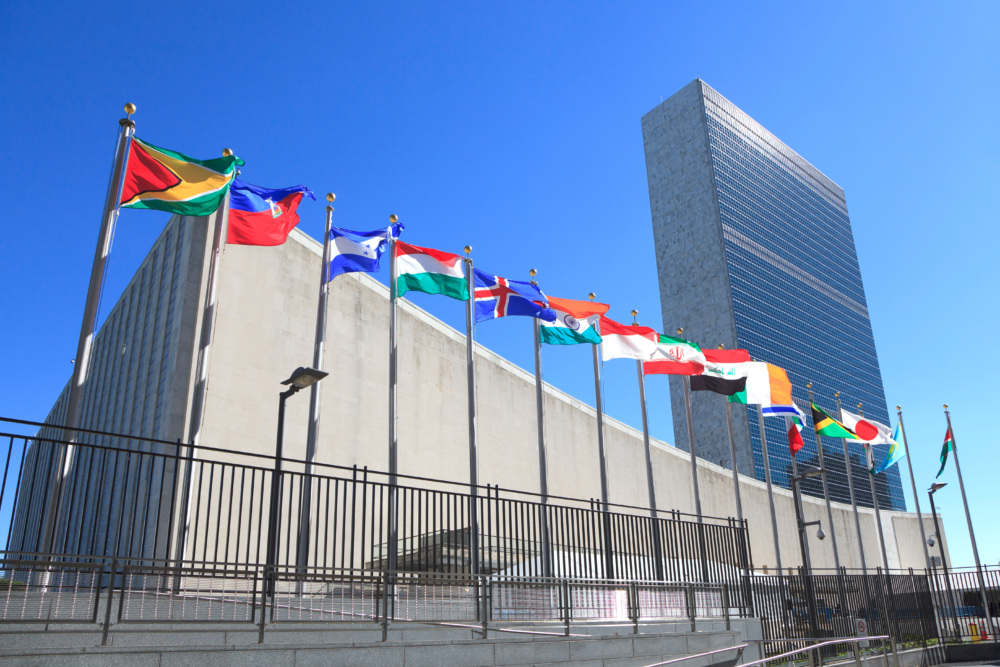
Nuclear-weapon-free zones (NWFZs) are one of the most successful and enduring elements of the global effort to prevent the spread of nuclear weapons. Practical steps exist that could strengthen NWFZ resilience, reinvigorate engagement within and between them, and create opportunities for leadership.

This paper offers actionable ideas to help governments strengthen IAEA nuclear security recommendations’ effectiveness, adaptability, and long-term resilience amid rapid technological change and evolving risks.
The AIxBio field stands at a critical juncture where rapid capability advances are outpacing governance frameworks and safety measures. The next 18 months will likely prove pivotal in determining whether voluntary safety practices by AI companies, emerging evaluation frameworks, and international coordination efforts can keep pace with technological development.

China Arms Control and Disarmament Association (CACDA) and Nuclear Threat Initiative (NTI) Joint Statement on Shared Priorities for Strengthened Biosecurity & Responsible AI-Biotechnology Innovation

Statement by the Euro-Atlantic Security Leadership Group, Asia-Pacific Leadership Network, European Leadership Network, Grandview Institution, and Nuclear Threat Initiative
Statement by the Euro-Atlantic Security Leadership Group

Managed access will be critical for reducing biosecurity risks related to the misuse of biological AI tools. By working to develop best practices for each element of this framework—risk levels, tiered access, and practices to verify legitimacy—developers of biological AI tools and the broader life sciences community can reduce risks while maintaining the benefits of these tools.
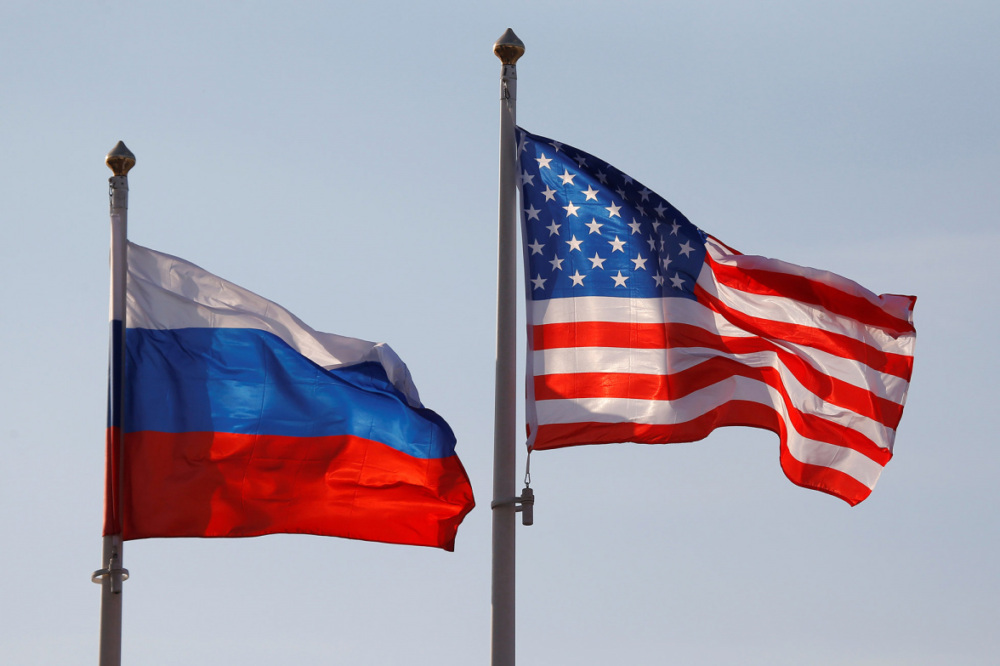
Unless the United States and Russia agree to maintain limits on their forces, the world will enter a period of potentially unconstrained nuclear build-ups.
Sign up for regular updates on innovative, real-world solutions to existential threats.