
Paul Dean
Vice President, Global Nuclear Policy Program
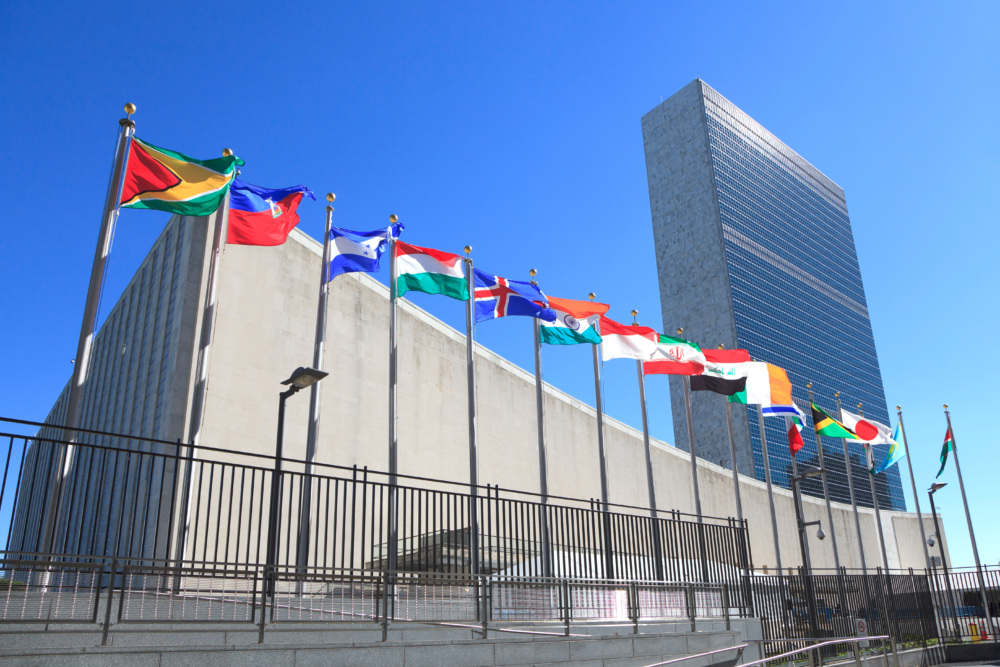
Nuclear-weapon-free zones (NWFZs) are one of the most successful and enduring elements of the global effort to prevent the spread of nuclear weapons. They also show how non-nuclear-weapon states actively help to reduce nuclear risks. Together, the five existing zones—Latin America and the Caribbean, Africa, Southeast Asia, the South Pacific, and Central Asia—span much of the Global South and have helped keep large regions of the world free of nuclear weapons activities.
The achievements of NWFZs cannot be taken for granted. Rising geopolitical competition among nuclear-weapon states (NWS), the expansion and modernization of nuclear arsenals, a return by some states to a “spheres of influence” approach to international relations, and fresh discussion of nuclear proliferation and extraterritorial nuclear basing create new stressors for these zones. Broader developments in the global nuclear landscape may also require adaptation. The growing demand for civil nuclear energy, as well as rapid technological developments affecting nuclear governance and verification, may require zone states to strengthen implementation and cooperation to ensure existing frameworks remain effective.
Each NWFZ experiences these pressures in different ways, shaped by geopolitical settings, governance structures, and levels of institutional capacity. As the global nuclear landscape becomes more uncertain, the strategic value of NWFZs is increasingly clear. In a more contested environment, they provide regional frameworks that help states reinforce norms against nuclear weapons, strengthen the global nonproliferation regime, and reduce nuclear risks.
Each NWFZ is unique. The zones were established at different times, for different reasons, and with different institutional arrangements. However, they also advance common strategic objectives:
Practical steps exist that could strengthen NWFZ resilience, reinvigorate engagement within and between them, and create opportunities for leadership.
As geopolitical competition intensifies and the nuclear landscape evolves, zones should periodically assess whether existing institutional arrangements remain adequate to meet emerging challenges. NWFZs should:
These assessments could initially be undertaken within individual zones and later serve as a basis for cross-zonal dialogue and shared learning.
Although some NWFZs benefit from well-established institutions and implementation mechanisms, most lack robust structures for governance and treaty implementation. Strengthening governance structures can help zones adapt and react to challenges. NWFZs should:
Greater collaboration among NWFZs would significantly strengthen their collective impact by sharing lessons learned, improving coordination, and enabling zones to respond effectively to shared challenges. NWFZs should:
As the geopolitical threat environment becomes increasingly fraught, zones and member states have an opportunity to strengthen their leadership in reducing nuclear risks. NWFZs should:
Note: This paper and its recommendations are informed by a series of consultations convened by the Nuclear Threat Initiative (NTI) over the past year focused on strengthening Nuclear-Weapon-Free Zones. These discussions—including virtual consultations and in-person workshops in Latin America and Africa—brought together experts, government officials, and representatives from regional institutions such as OPANAL and AFCONE.
Sign up for our newsletter to get the latest on nuclear and biological threats.

This paper outlines six practical options that non-nuclear weapon states could pursue to reduce nuclear risks amid heightened geopolitical tensions. The options were developed based on interviews with nuclear policy experts from around the world. They reflect priority areas where government investment could have the most near- to medium-term impact, as well as the tools and channels through which these efforts could be advanced.
The Nuclear Threat Initiative (NTI), Euro-Atlantic Security Leadership Group (EASLG), Asia-Pacific Leadership Network (APLN), and European Leadership Network (ELN) have worked since March 2020 to highlight the benefits of independent, internal “fail-safe” reviews in nuclear-armed states.
Statement by the Euro-Atlantic Security Leadership Group, Asia-Pacific Leadership Network, European Leadership Network, Grandview Institution, and Nuclear Threat Initiative
Sign up for regular updates on innovative, real-world solutions to existential threats.