
Sam Nunn
Founding Chair, NTI
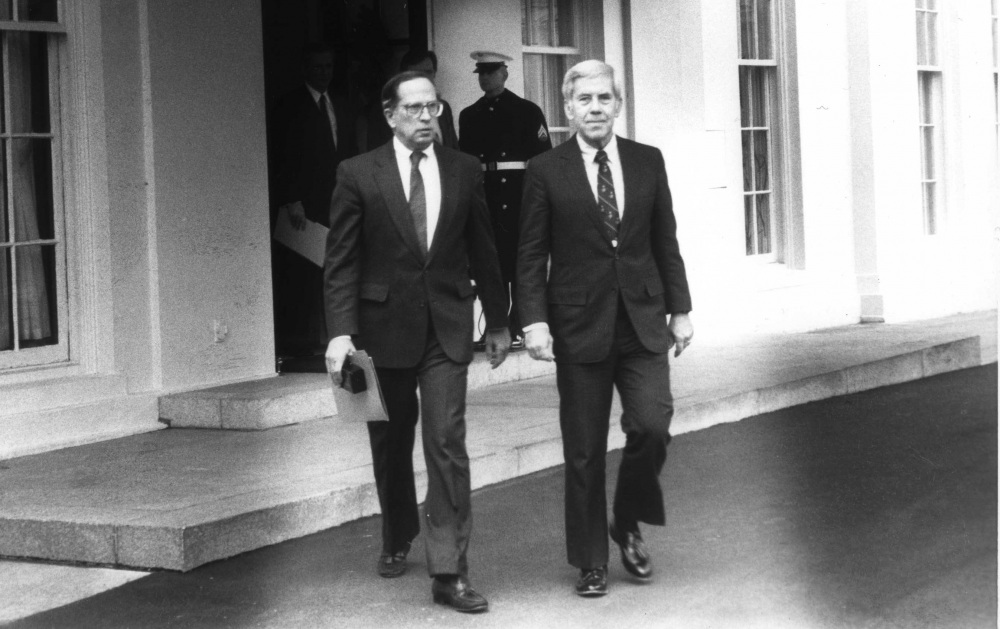
Founding Chair, NTI
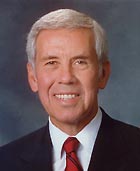
Former U.S. Senator
Called “one of the most prescient pieces of legislation ever
enacted” by The Wall Street Journal,
the Nunn-Lugar Program was designed to safeguard and dismantle weapons of mass
destruction and their delivery systems in the former Soviet states. To
celebrate its 25th anniversary, former Senators Sam Nunn and Richard
Lugar will speak at an event in Washington, D.C. to discuss the achievements of
the bipartisan initiative and the importance of bringing renewed attention to
this critical work going forward.
The anniversary event, hosted by the National Security
Archive, the Carnegie Corporation of New York, the Carnegie Endowment for
International Peace and the Nuclear Threat Initiative will be held on Monday,
December 12 at 2:00 p.m. in the Kennedy Caucus Room of the Russell Senate
Office Building.
In addition to Senators Nunn and Lugar, other confirmed panel
participants include former Secretary of Defense William J. Perry; former
commander of the Russian 12th GUMO Col. Gen. Evgeny Maslin; Director General
Ahmet Uzumcu of the Organisation for the Prohibition of Chemical Weapons;
Kazakhstan Ambassador to the United States Kairat Umarov; Col. Gen. Victor Esin
of Russia; and moderator David E. Hoffman.
The day will conclude with a 5:00 p.m. reception
that will bring together 25 years of Nunn-Lugar veterans. If you are interested
in attending, please RSVP to [email protected].
Sign up for our newsletter to get the latest on nuclear and biological threats.
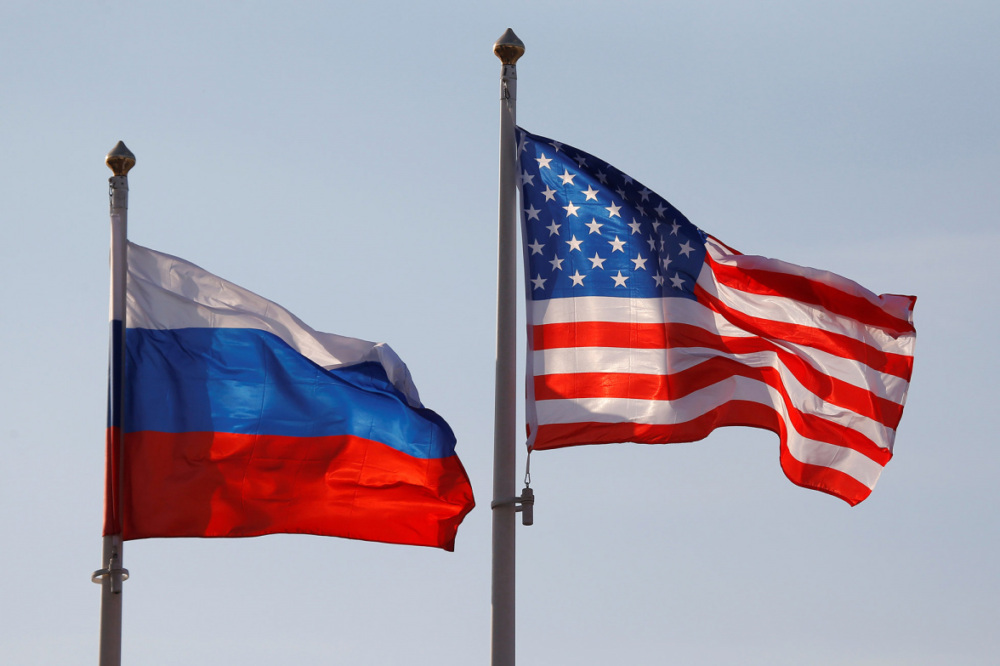
New START, the last remaining arms control treaty capping U.S. and Russian nuclear arsenals, expires on February 5. This marks the beginning of a dangerous new era. For the first time in several decades, there will be no limits on nuclear weapons, less visibility into Russian nuclear weapons activities, and fewer tools to manage a crisis between the world’s two largest nuclear powers.

NTI encourages the United States and the Russian Federation to continue to abide by New START’s limits on intercontinental-range nuclear weapons past its scheduled expiration on February 5, 2026.

Participants examined how NWFZs can be productive geopolitical tools amid mounting challenges, including great power competition, disruptive technologies, and a weakening global nonproliferation and disarmament architecture.
Sign up for regular updates on innovative, real-world solutions to existential threats.