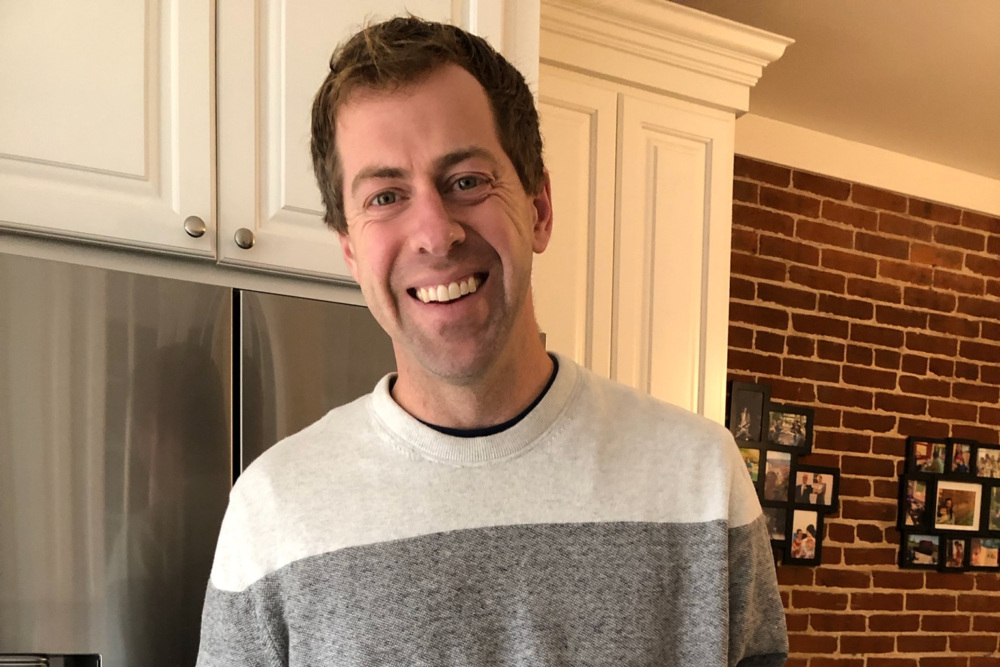
Hugh Sullivan is NTI’s vice president for development. In this role, he leads the Development team and is responsible for raising funds for the organization from individuals, governments, foundations, and corporations. He has centered his career on promoting mutually beneficial international understanding through education, partnerships, and scientific inquiry and awareness. Sullivan joined NTI in 2024, bringing more than 15 years of experience in fundraising and business development roles.
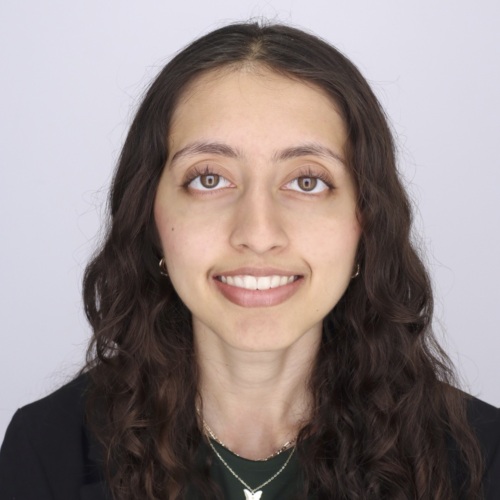
Hugh spoke with NTI intern Anusha Trivedi about his work in fundraising, past experiences, and hobbies. This interview has been edited for length and clarity.
Let’s just jump right in. You studied the classics and have worked in a mix of fields since college, but what drew you to careers in fundraising and development?
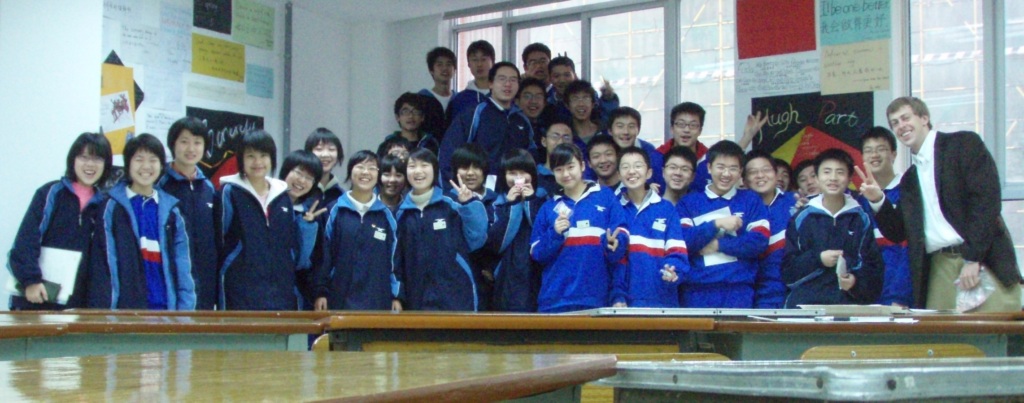
Three things: The first was my interest in China. The second was my personal background. I went to a Jesuit high school and grew up with parents who believed in philanthropy. And the third was just my belief in the importance of international exchange.
I always tell this story of when I was on a bus in China. These two 10-year-old girls were standing behind me talking in Chinese and one said, “Did you hear that Barack Obama was elected president of the United States?” And the other said, “I know, the 1st African American president.” And I was like, what? Could you find a 10-year-old who could talk at that level about Chinese politics in the United States? Probably not. It occurred to me how much I still had to learn. And second, I bet a lot of people in the United States are like me and we need to do a lot better job of welcoming people to the United States, engaging meaningfully with them and learning about who they are. That was a driving force for why I made the switch into this field and started fundraising at Johns Hopkins, and then it just grew from there.
That’s such a funny story about those kids. In your work in fundraising, what’s an accomplishment or a project that you’ve worked on that you’re most proud of?
At one point in my career, I was working on a project that was really challenging. The narrative had become a little toxic, and everybody knew that this project was in financial distress. One of the complaints was that the tuition had gotten too high, and I decided to test that. I couldn’t lower the tuition, so I worked with our administrators to create an innovative fellowship that reduced the tuition sticker price and tested the elasticity to see if we could increase applications enough to make up for the potential losses. It didn’t produce all the results we hoped for, but it bought us critical time, generated new insights, and proved the value of testing assumptions. Some of my favorite moments in the field have been around creative things like that.
The other thing is that a lot of people assume that it’s the blockbuster gifts that are the most exciting, but I think for me some of the most moving gifts and relationships have been people contributing at a level that’s significant for them.
I understand you worked as an engineer on the U.S. Army Corps floodwall in New Orleans. How was this experience, how did it come about, and what did you learn from this that you still apply to your work in development today?
 It was an awesome experience — in retrospect, life changing, as much or more than living in China. I think at the time it felt really embarrassing and challenging because I was not only going through my first corporate job, but I was way out of my element. It pushed me far outside my comfort zone, in the best way. I was new, the learning curve was steep, and I had to quickly demonstrate value. That experience became foundational: it taught me how to earn trust and manage under pressure. Not everything directly translates, but I had some of my most formative management experiences there and especially learned the importance of developing relationships with people.
After working at Johns Hopkins and a variety of other places, why NTI? And what are the biggest opportunities and challenges you face in fundraising, bringing attention to existential threats, and reducing nuclear, biological, and emerging technological threats imperiling humanity?
I came here because it’s one of the best places to make a meaningful difference in global security and my kids’ future; it’s an action-oriented place working on an under-attended issue. I think one of the challenges is that there’s this feeling that the donor space is only so big. I think that comes from our tendency to be really precise, which is important when you’re talking about nuclear weapons or biosecurity. But when you’re talking about engaging philanthropists, it’s a little different because you need to be able to expand that and help donors understand that this is aligned with the way they think about making a difference. So, I think one of the big challenges, and opportunities, is changing the narrative.
 I also hear you have a passion for water polo and that you coached a high school team. Do you still play or follow the sport?
I still follow it. I would say that’s one of the more meaningful experiences of the last decade for me. I was a swimmer growing up and I played water polo for two years. I played on the side, which is the long way of saying I really stink. But as a coach, I learned a lot because I was able to identify areas where I could really add value and make a difference. One was on the player development side, bringing those personal and management lessons to bear, and then another was on the technical side — diving deep into the skills that our kids didn’t have and trying to figure out how to make those things accessible to them and create a passion for the sport.
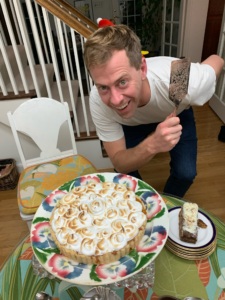 What’s another hobby or interest that your NTI colleagues might not know that you have?
Cooking and baking. When I was in China, I had a friend who was baking and I’m kind of competitive, so I started doing it too, though I don’t do it as much anymore. Cooking is a funny one because when I was doing my construction job, I was the kind of guy who would cook rice with an egg on top and that was dinner. But my in-laws are huge local food and wine enthusiasts, so after spending a lot of time around them I’ve been thinking about how to cook without a recipe, and I find that really fun.
I love that you’re able to find time for hobbies. Thank you so much for taking the time to share your story!
Sign up for our newsletter to get the latest on nuclear and biological threats.
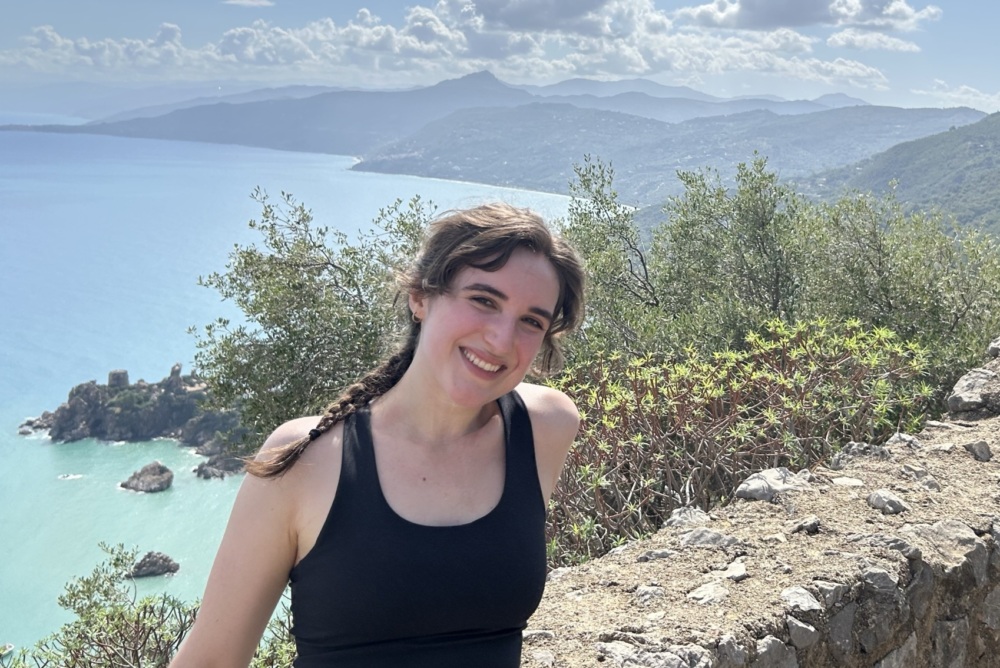
Amanda Krieger is an officer with NTI’s Development team, where she builds relationships and leads strategic engagement efforts to secure major philanthropic support for NTI’s mission. Amanda spoke with NTI intern Ryan Takeji Adams about her work in fundraising, past experiences, and hobbies.
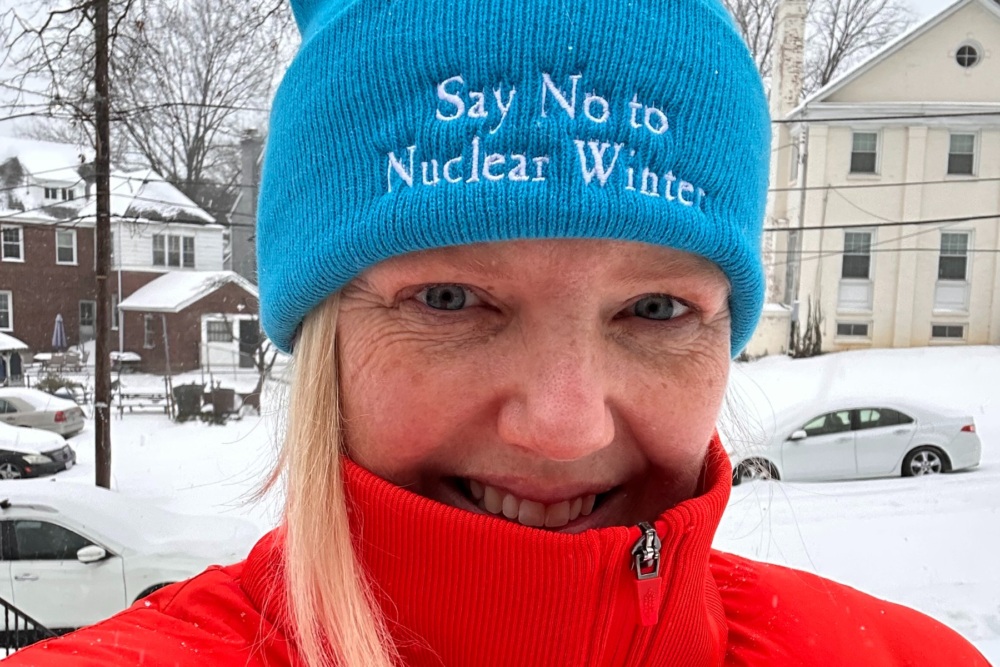
Elise Rowan serves as the deputy vice president of NTI’s Communications team. She co-leads the organization’s Critical Mass project, which harnesses the power of culture and campaigns to change the narrative on nuclear weapons and shift political incentives toward policies that reduce nuclear risks.
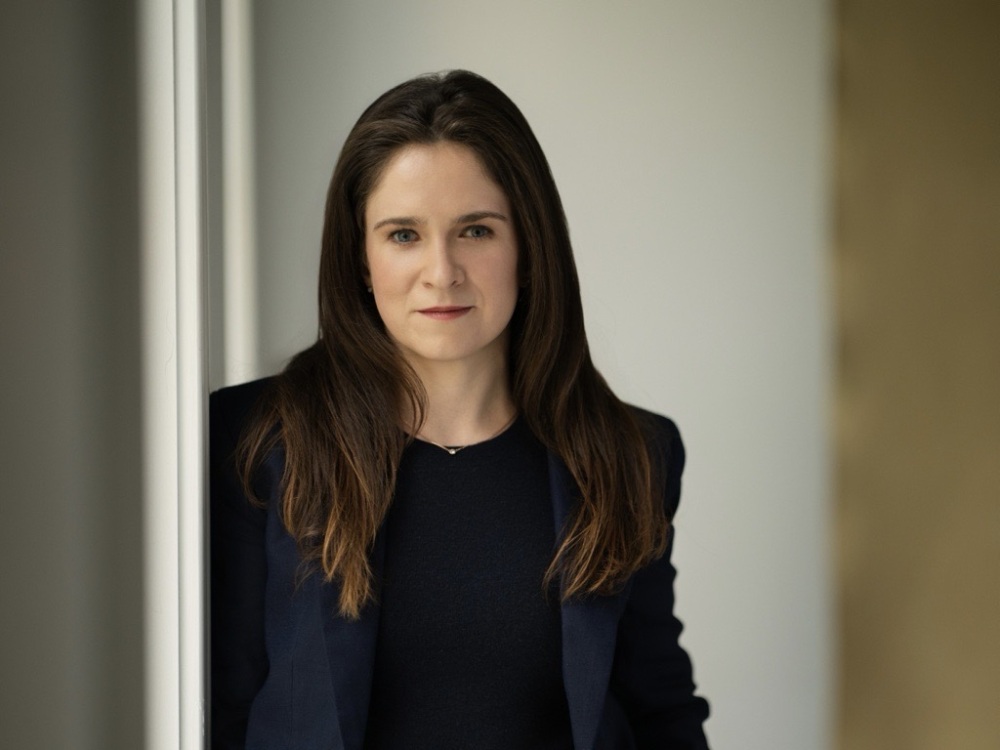
Cassandra Varanka is NTI’s director of legislative affairs. Since joining NTI in July 2025, she has focused on developing and advancing legislative strategies to shape impactful policy outcomes that further the organization’s agenda in the U.S. government.
Sign up for regular updates on innovative, real-world solutions to existential threats.