

Scott Nolan Smith
Senior Director, Communications

About the image
Disney Channel’s The Luck of the Irish is just a fun sports movie with leprechauns, basketball, and questionable early‑2000s fashion—or is it? Beneath the obvious is a surprisingly relevant lesson for today—when it comes to governing powerful technologies at the intersection of artificial intelligence and the life sciences (obviously).
The movie revolves around Kyle Johnson, a talented teen whose success hinges on a lucky coin he never thinks about. That is, until the coin is stolen. Suddenly, Kyle’s basketball abilities vanish, his confidence crumbles, and his life spirals out of control. What was passive, leprechaun magic turns out to be a crucial stabilizer—one that his family should have taken seriously long before it disappeared.
Kyle’s coin isn’t just a trinket—it’s a safeguard. It keeps his world balanced. In many ways, it’s a stand‑in for governance.
AI is accelerating breakthroughs in biology. And as AI tools are applied to living systems, the stakes rise dramatically. These same capabilities could be misused—intentionally or accidentally—to design dangerous pathogens, bypass biosafety norms, or disrupt ecosystems.
Transparency and accountability help ensure that powerful tools deliver real societal benefits rather than unintended harm. Effective guardrails are the “coin” that keeps AIxBio innovation on track.
Kyle doesn’t realize how important his coin is until it’s gone. Society risks making the same mistake—underestimating the need for strong AIxBio governance until a crisis forces our hand. By then, the damage could be irreversible.
A core theme in The Luck of the Irish is identity. Kyle resists his leprechaun heritage because it complicates his life. Only when he embraces it does he regain balance.
Some organizations are tempted to downplay governance in favor of speed, novelty, or competitive advantage. To them, guardrails can feel inconvenient—like an obstacle to innovation.
But just as Kyle learns that embracing who he is makes him stronger, responsible research and development actually enables better innovation. Effective guardrails can speed up implementation, delivering more capabilities and a greater return on investment. It’s not about slowing down; it’s about ensuring the technology is used safely and responsibly.
In other words, responsible governance isn’t an opposing team blocking the shot—it’s the coach designing the plays.
Every good Disney story needs a villain, and The Luck of the Irish delivers. Evil step-dancing leprechaun Seamus McTiernan (brilliantly portrayed by Timothy Omundson) steals the coin and exploits Kyle’s luck for personal gain, indifferent to the harm he causes.
This is the risk we face with AIxBio tools. Without enforceable standards and independent oversight, bad actors could deliberately misuse these technologies—or well‑meaning actors could make dangerous mistakes.
Governance sets out smart processes, reinforces norms, and helps ensure innovation continues to deliver societal benefits.
We have an opportunity to protect our future through comprehensive AIxBio governance. NTI has:
Accidents happen. Misuse is a plausible near‑term risk. But outcomes aren’t inevitable. Actions today can prevent disasters tomorrow.
The Luck of the Irish reminds us that failing to safeguard a powerful asset—whether a magical lucky coin or advanced emerging technology—can lead to disaster. Strengthening AIxBio governance doesn’t require slowing innovation; it’s about building guardrails to accelerate innovation and safeguards to prevent harm.
When the stakes are this high, we can’t depend on luck.
Sign up for our newsletter to get the latest on nuclear and biological threats.

As AI expands what is possible in biology, it’s past time the biosecurity, insurance, and legal communities came together to examine what these developments mean for preventing harm and assigning responsibility if it occurs.
The development of SynthID Bio by a major frontier AI lab is an important reminder that responsible development and cutting-edge progress are not mutually exclusive.
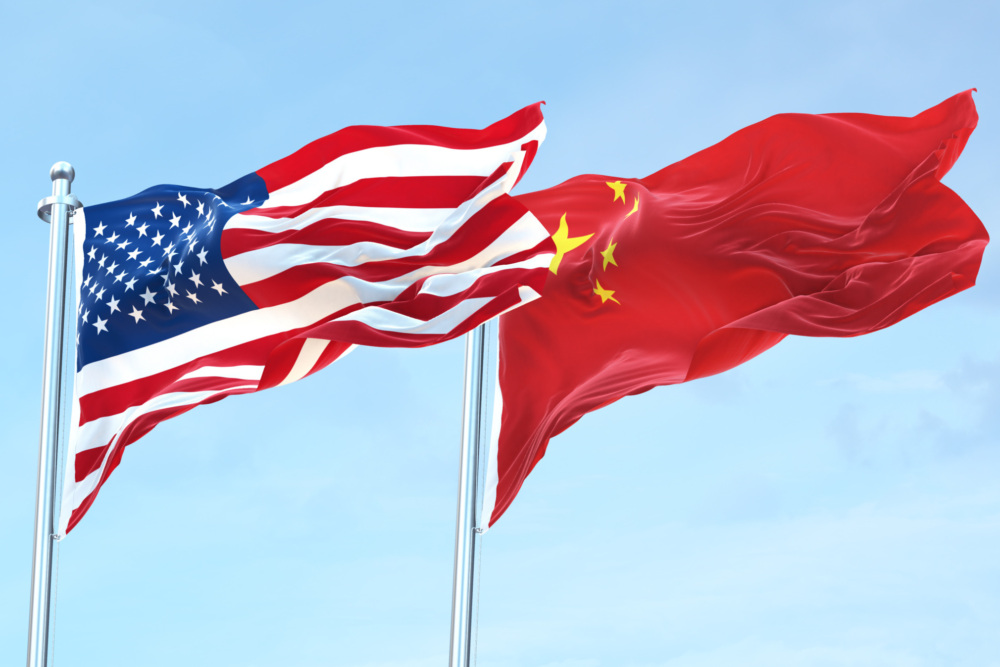
The Trump and Xi summit may offer an opportunity to begin filling the leadership vacuum on AI advances, especially with respect to bioweapons. If the reports from AI companies are correct, it’s imperative that Presidents Trump and Xi start this work now.
Sign up for regular updates on innovative, real-world solutions to existential threats.