


To younger generations, nuclear threats often feel like a thing of the past. Born in the 2000s, I—and everyone else in Gen Z—didn’t experience events like the Cuban Missile Crisis or the era of explosive nuclear testing. But, with more than 2 billion people globally, our generation holds immense potential to act and shape highly consequential political outcomes.
Nuclear weapons are not just a thing of the past. But experiencing them has been. Engaging our generation on this issue requires new tools. Kathryn Bigelow’s new film, A House of Dynamite, delivers a powerful warning about the dangers of nuclear weapons while uniquely appealing to young adults—leveraging storytelling to deepen their understanding and engagement with the issue.
Nuclear disarmament and nonproliferation are far from the most important problems, according to Gen Z. In a Statista poll from 2019 on the issues young adults are most concerned about, nuclear disarmament doesn’t make it into the top twelve.
However, Gen Z’s attitudes and knowledge offer potential to drive change. Thirty-five percent of Gen Z are familiar with U.S. nuclear weapons policy and 65 percent are familiar with the effects of nuclear weapon use, the most when compared to other generations. In contrast, only 28 percent of millennials and Gen X are familiar with U.S. nuclear weapons policy and around half are familiar with their effects. Though Gen Z are not overwhelmingly opposed to nuclear weapons, they are still the least likely to believe that having nuclear weapons makes us safer (37 percent) and the most likely to believe that it makes us less safe. At the same time, Gen Z is a highly politically active group. Thirty-two percent of Gen Z regularly participate in social justice work or activism; 51 percent have attended a rally or protest for a cause they care about, and 61 percent volunteer every year to support a social justice topic.
So, this generation is familiar with nuclear issues and frequently engages with political concerns that are important to them. However, nuclear issues are not rising to the top. Gen Z is missing the urgency.
Warning – film spoilers below
A House of Dynamite centers on the discovery of an unattributed missile headed for Chicago and the intense debate among officials over how to respond. While nuclear threats have been a common topic in film and TV for decades, this story offers a new approach that may resonate more deeply with Gen Z audiences.
While Gen Z is dedicated to activism, they are the least likely generation to engage with political news: 41 percent of Gen Z avoid watching or reading political media coverage. This makes traditional media less effective for reaching Gen Z or raising awareness about nuclear threats. Storytelling through film is a more powerful tool. Young adults (88 percent) watch streaming services, such as Netflix, and more than 70 percent say they spend more than an hour a day watching paid subscription services. As a streaming film, A House of Dynamite makes nuclear topics accessible to those who don’t pay attention to the news. The film connects nuclear issues with audiences by translating complex risks into a format that is easier to understand and harder to ignore.
Many films depict the catastrophic impact of nuclear weapons, but A House of Dynamite ends before showing the damage done to Chicago. Young viewers already know how destructive nuclear weapons can be—only 33 percent of Gen Z are unfamiliar with the consequences of nuclear weapon use. Surprisingly, that’s the lowest percentage across all generations.
On the other hand, 69 percent are unfamiliar with the U.S. missile defense system. This is what helps A House of Dynamite stand out. It focuses on the systems, the people, and the process behind the weapons. The film underscores just how little the United States can do in the face of a nuclear attack, heightening the sense of urgency. Many younger watchers might not be aware of the mere “coin toss” success rate of the defense missiles depicted in the movie. As the Deputy National Security Advisor describes in the film, it’s like “hitting a bullet with a bullet.”
Research shows narratives must connect with young people in a deeper way to have a lasting impact. A House of Dynamite creates a connection by not placing the blame on an individual or falling into good vs. evil tropes. Instead, the film focuses on the system as the root of the problem. The filmmakers don’t offer easy answers like simply voting or signing a petition; they challenge viewers to recognize that systemic problems demand systemic solutions. This framing is more likely to activate audiences and empower them to become agents of change who understand the threats and are better equipped to drive meaningful transformation.
This film may be fiction—but it’s not unrealistic. This scenario is plausible. This could happen at any time, making this story essential. Art can allow us to communicate with people in ways they can understand and humanize issues.
What you can do:
One film might not be enough to activate 2 billion people, but it can spark some Gen Z viewers to engage in nuclear issues and join NTI in building a safer world.
Sign up for our newsletter to get the latest on nuclear and biological threats.

NTI’s Hiroshima and Nagasaki commemoration activities this year centered on the theme of passing the torch to the next generation. The result was an intergenerational connection reflected in two artists: 88-year-old Hiroshima survivor Toshiko Tanaka, and 13-year-old painter Kotone.
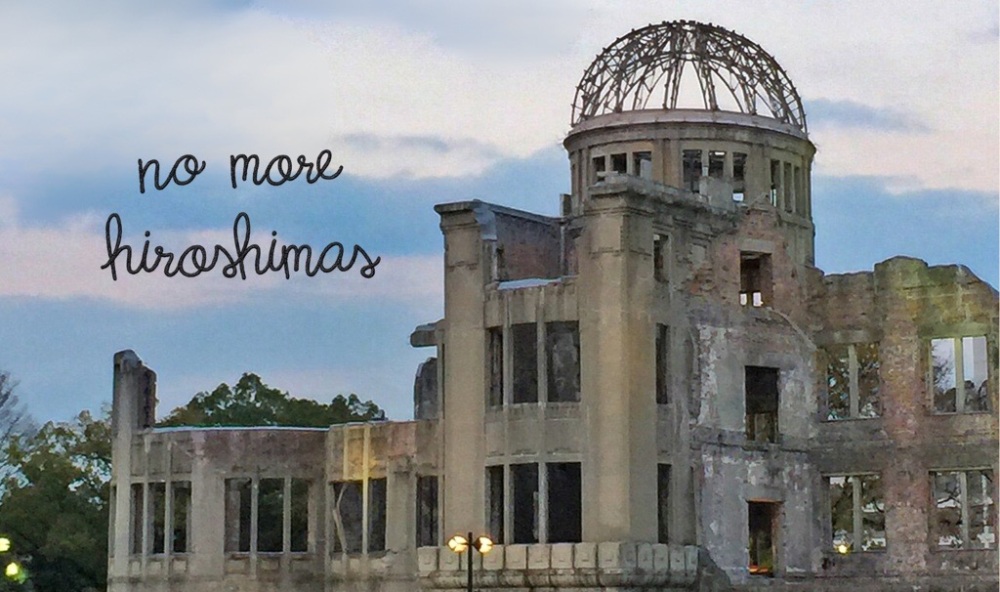
On the morning of August 6, 1945, in Hiroshima, Japan, parents shared breakfast with their children and sent them off to school. Some never came home. NTI is commemorating Hiroshima and Nagasaki through a series of activities that encourage remembrance, reflection, and wider awareness.

In Nolan’s new film, The Odyssey, he gives Odysseus the reckoning he never gave Oppenheimer. The parallel he appears to be drawing is that the same tunnel vision that produced the Trojan Horse produced the Manhattan Project, and each comes with the same casualty: civilians treated as collateral damage in order to win a war.
Sign up for regular updates on innovative, real-world solutions to existential threats.