
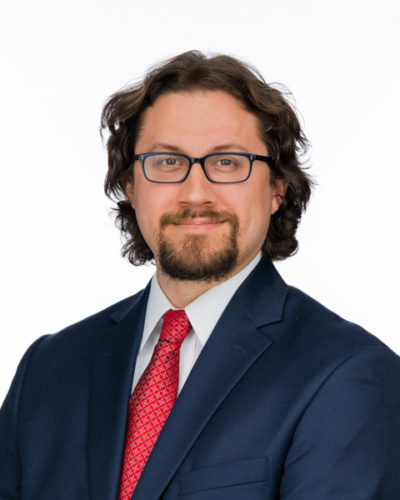
Greg Butchello
Program Officer, Global Biological Policy and Programs
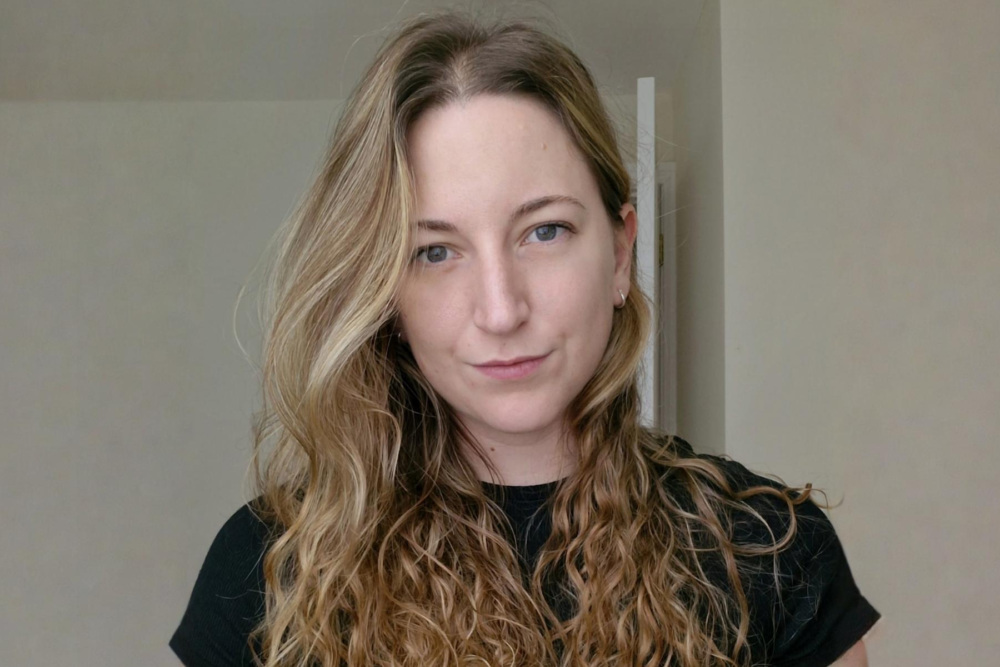
NTI’s “Young Voices” series highlights early-career professionals making their mark as part of the community of experts tackling today’s existential threats. This series reflects NTI’s commitment to uplift a range of voices and ideas, help break down stereotypes that contribute to generational divides on security, and provide a platform for young people to share creative ideas that address the evolving threats imperiling humanity.
Greg Butchello, program officer on NTI’s Global Biological Policy and Programs team (NTI | bio), recently spoke with Jezabel Gigena, an emerging biosecurity educator and policy-minded researcher who leads the iGEM Community Mastering Biosafety and Biosecurity project, creating accessible training on dual-use risks and responsible biotechnology. Jezabel is currently pursuing a PhD in biomedical sciences from the University of Ulster, Northern Ireland, and enjoys working with community-driven initiatives to strengthen global biosecurity awareness. This interview has been edited for length and clarity.
Greg Butchello: Can you share a bit about your background and how you came to be involved in biosecurity?
Jezabel Gigena: I did a joint master’s degree in biotechnology, which took five full years of study. During those five years, I never heard the word “biosecurity.” We talked about biosafety and lab rules, but we didn’t talk about dual use or risk assessment of our projects. In 2022, as I was finishing my degree, I participated in an iGEM workshop, where they introduced me to the concept of biosecurity. They presented real-case scenarios of potential dual-use applications for projects they had reviewed, and it was excellent. That was really the start of my journey into biosecurity. I couldn’t believe that after so many years of study I had never heard of these topics, and I think many students are in a similar position.
My PhD is in biomedical science, and I still don’t have any courses on biosecurity, which is a huge gap. That’s why we started the project with iGEM. The course has been in development for the past two years, and we’re getting very close to launching it. We’re all volunteers, so it takes a lot of time. The course has a lot of modules that cover various topics, from defining biosafety and biosecurity to understanding what “dual use” research means to assessing risks associated with a project. AI has emerged as a hot topic as well. One of the last modules focuses on what we have to do to ensure a safer future, and that’s an especially interesting one.
GB: You mentioned the iGEM Communty Project you’re working on, the Mastering Biosafety and Biosecurity course, which seeks to “[equip] scientists with essential biosecurity and biosafety knowledge to practice safe science.” In your experience, what are the most effective ways to teach people about the value of biosecurity?
JE: In my opinion, the best way is to review real-case scenarios: things that happened that caused us to need biosecurity measures. Safety measures often come about because of accidents that happened, or almost happened, rather than because we thought of it beforehand. That’s what our course focuses on. We ask people to focus on these real-case scenarios. Policy can be quite boring to read if you’re not already interested in it, so focusing on these real things that did happen or could have happened helps make it interesting.
GB: What do you see as the most pressing biosecurity concerns facing scientists, biosecurity experts, and policymakers?
JE: I believe that education should be the focus. Even as I’m doing my PhD, I did a risk assessment of my own project, but I know many people skip that part. We have all this technology which is moving very fast and is not being assessed correctly. We’re not assessing what risks we have now, what could happen in the future, and whether there is a potential dual-use scenario. I think that’s mostly because student scientists and the people working in these fields often don’t know what biosecurity is.
GB: The emergence of biological AI tools has created incredible opportunities for progress in human health, economic development, and more, but it has also created new and significant biosecurity risks. How do you think we can stay ahead of those risks without slowing down scientific progress?
JE: We need more international cooperation for the creation of new policies that regulate AI tools. How do we ensure that we have good policies and practices worldwide that ensure our safety? If the US enacts good policies, how do we know it will be the same in Africa? Or in the EU? These policies must be equal across the board to protect everyone, everywhere.
We also need better prediction models. It’s important to recognize that advanced biological AI tools are already here. We can increase DNA screening capabilities, we can try to build other protections against misuse, but we can’t stop them from existing. We need better prediction models that can tell us what may happen if an AI-designed molecule gets into the ecosystem or what the probability is that it could be misused.
GB: What advice would you offer to young professionals aspiring to enter this field? Are there particular experiences, opportunities, or trainings that were especially valuable in your own journey?
JE: I think I had a different background than others, but I would recommend doing a course on biosecurity to find out if this is something that you might be interested in. I did the BlueDot biosecurity course, and I found it very useful for learning more about biosecurity and what policies might be needed. Start with something small to find out if you like it. There are lots of fellowship opportunities that you can pursue, but biosecurity is so broad it will be helpful to learn more about what you might want to specialize in.
Sign up for our newsletter to get the latest on nuclear and biological threats.
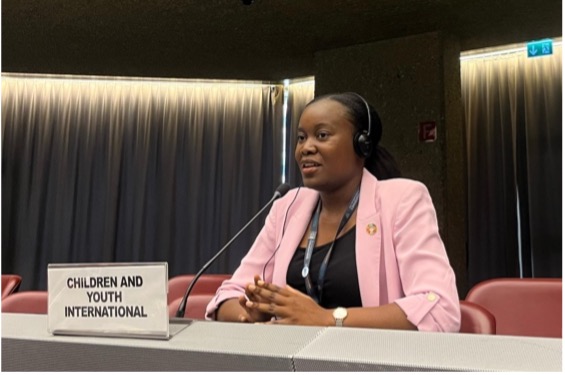
Delfina Hlashwayo’s journey into biosecurity and nonproliferation is a powerful example of how scientific passion, global collaboration, and youth leadership can converge to shape a safer world.
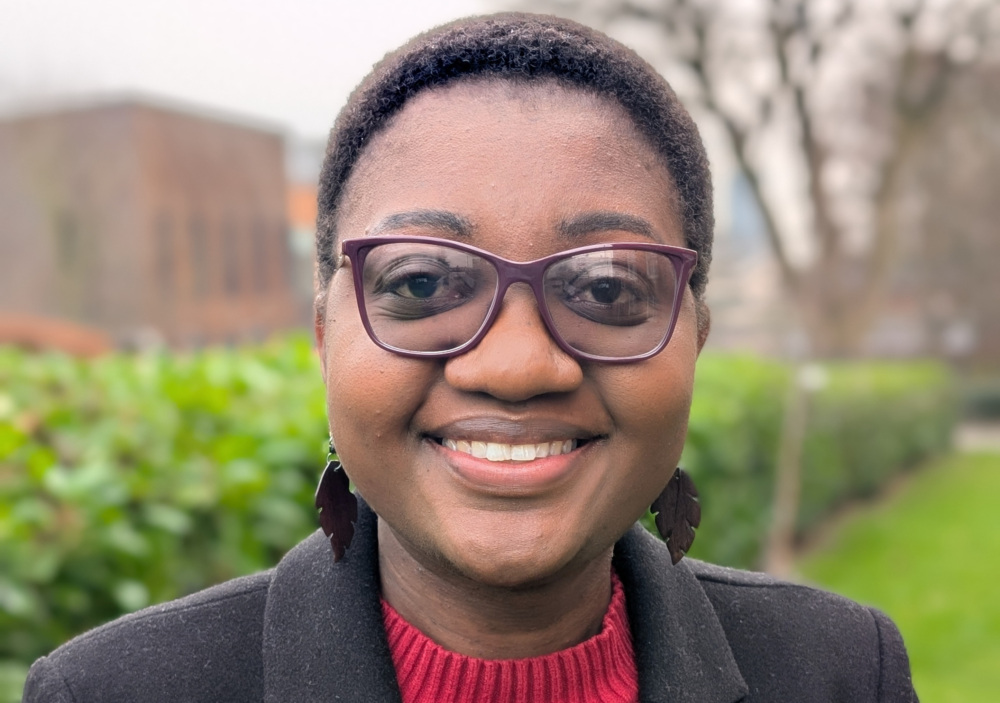
NTI’s “Young Voices” series highlights early-career professionals making their mark as part of the community of experts tackling today’s existential threats. Thokozani Nyasulu-Liwewe's remarkable career path has focused on improving health outcomes and strengthening health systems. Currently, Thokozani serves as the Clinical Lead for the District Health Office under the Ministry of Health in Lilongwe, the capital of Malawi. She is also a 2024 Game Changers Fellow with the Brown University Pandemic Center and Pandemic Action Network.
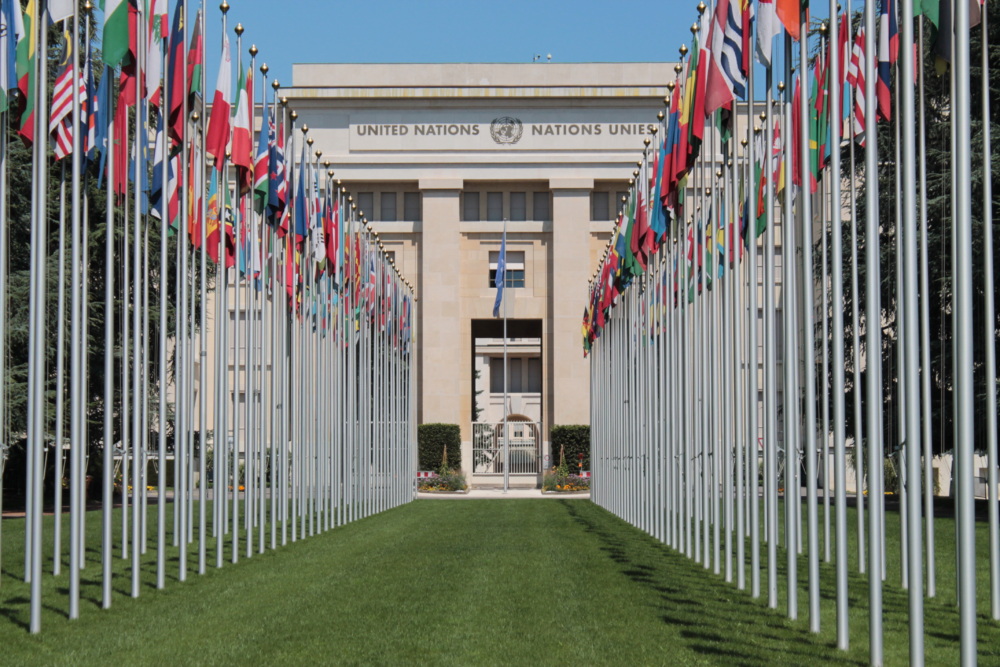
As the world marks the 50th anniversary of the Biological Weapons Convention (BWC), Next Gen contest participants have an opportunity to move the needle by introducing an updated way for professionals in the field to address the current and emerging threats that bioweapons pose.
Sign up for regular updates on innovative, real-world solutions to existential threats.