
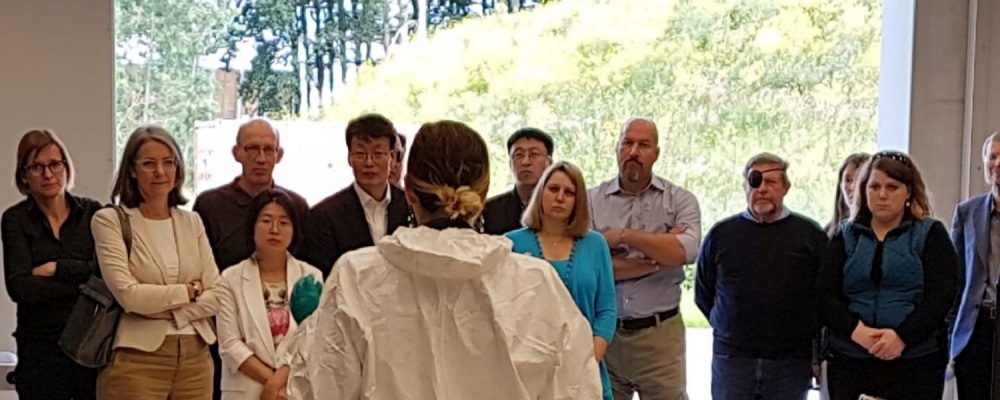
IPNDV Prepares for Nuclear Disarmament Verification Exercises
IPNDV Prepares for Nuclear Disarmament Verification Exercises
IPNDV Prepares for Nuclear Disarmament Verification Exercises

New NTI report identifies key priorities and actions needed to better secure nuclear facilities and outpace today's dynamic cyber threats.
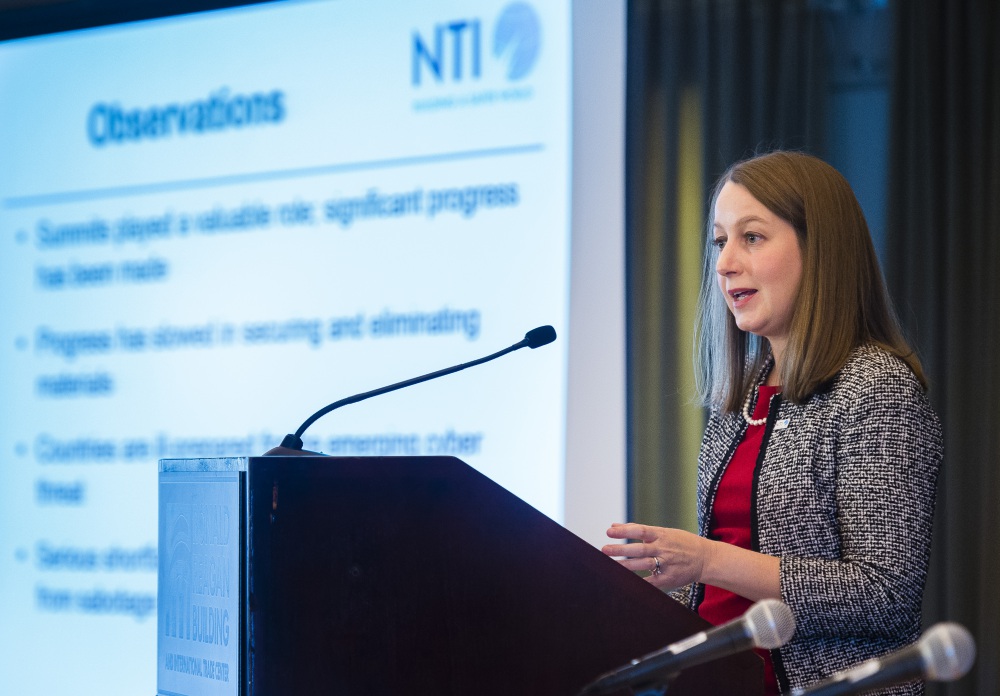
While the three previous Nuclear Security Summits have resulted in much progress to secure the world’s vulnerable nuclear materials, significant security gaps remain.
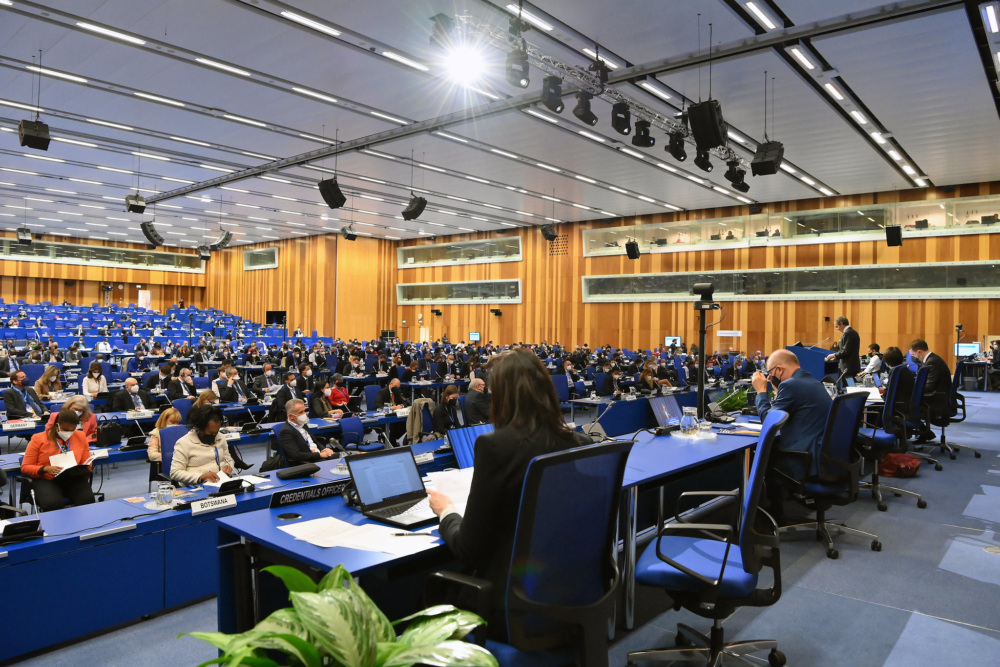
This week in Vienna, experts from the Nuclear Threat Initiative are joining government officials and experts from international organizations, non-governmental organizations, academia, and the nuclear industry for the first-ever review of the only legally binding treaty on nuclear security—the amended Convention on the Physical Protection of Nuclear Materials (A/CPPNM).
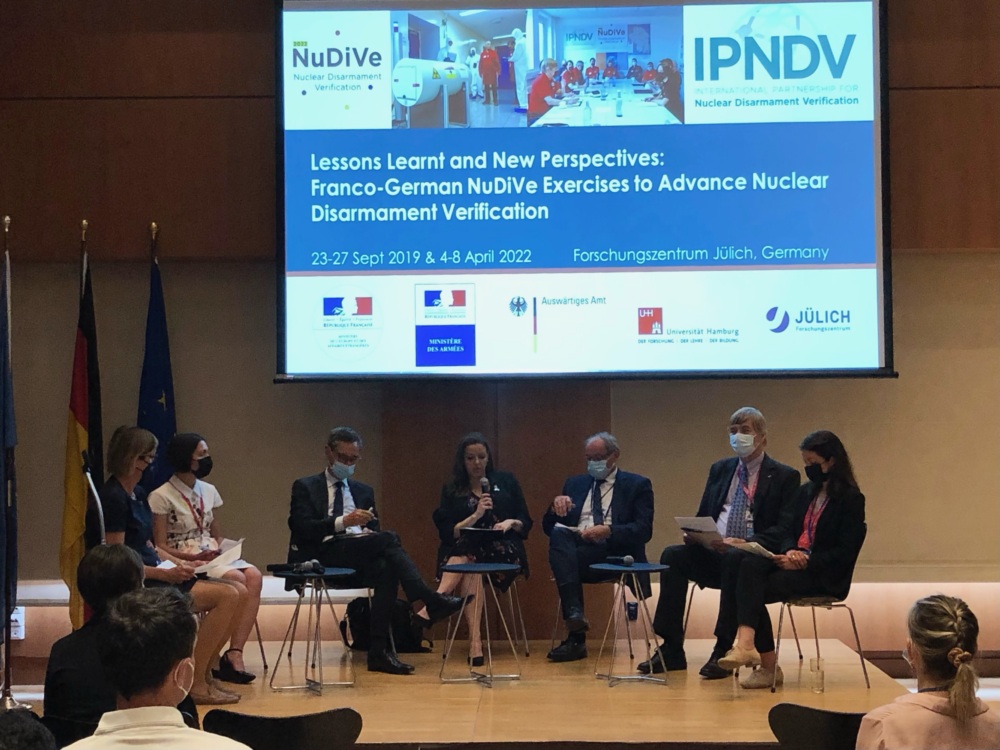
Diplomats and experts who met in New York last month to review implementation of the Treaty on the Nonproliferation of Nuclear Weapons (NPT) had an opportunity to learn more about a groundbreaking partnership working to pave the way for future progress on the reduction and elimination of nuclear weapons.

The Belfer Center for Science and International Affairs at Harvard Kennedy School, the Carnegie Endowment for International Peace, and NTI are co-chairing a new bipartisan task force comprised of over a dozen former senior government officials and experts with deep national security experience.
Reducing and eliminating nuclear risks is an existential common interest for all nations.

Senator Nunn, NTI Co-Chair, gives remarks at the World Institute for Nuclear Security (WINS) 10th Anniversary event in Vienna, Austria.
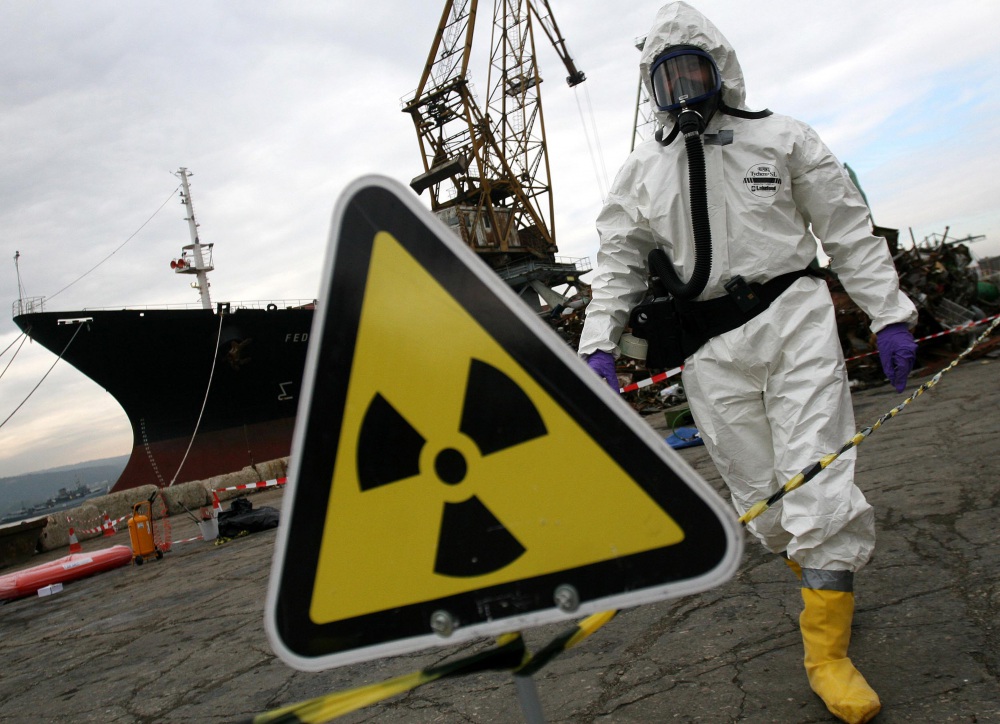
A new NTI-CNS tutorial features fresh, interactive learning tools to bring students, professionals and media up to speed on the risks posed by nuclear and radiological terrorism.

High-profile global leaders and experts from five continents will gather in Buenos Aires on November 20-21 to address today’s nuclear security concerns, engage policy makers and raise awareness about nuclear risks.
Sign up for regular updates on innovative, real-world solutions to existential threats.