
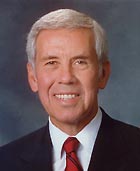
Richard G. Lugar
Former U.S. Senator
Former U.S. Senator

Founding Chair, NTI
Lugar, Nunn honor Kazakhstan
U.S. Sen. Dick Lugar and former Senator Sam Nunn, co-chairman of the Nuclear Threat Initiative, released the following statement on the 15th anniversary of the Nunn-Lugar program in Kazakhstan:
On the occasion of the 15th anniversary of the Nunn-Lugar Cooperative Threat Reduction Program in Kazakhstan on December 13, we honor the courage and foresight that led President Nursultan Nazarbayev to conclude that the future of his country was best secured through the renunciation and elimination of more than 1,400 nuclear weapons located in Kazakhstan. On this day in 1993, Kazakhstan also joined the Nuclear Nonproliferation Treaty as a non-weapons state, enshrining these aspirations in international law.
This critical judgment paved the way for 15 years of close cooperation between the United States and the Republic of Kazakhstan to safely and securely eliminate nuclear and biological weapons, materials and infrastructure left behind in Kazakhstan after the break-up of the Soviet Union. This solid base of cooperation has led to a long list of shared successes: the closure of the Soviet Union’s test site, the removal of nuclear weapons, the elimination of a biological weapons factory, and the securing of dangerous nuclear and biological materials.
Under President Nazarbayev’s leadership, Kazakhstan is one of the world’s leaders in nuclear nonproliferation – not merely in words, but – most importantly — by actions and deeds. These actions provide an example for the world to see that security lies not in the embrace of weapons of mass destruction, but in cooperation to eliminate the global threats these weapons represent.
We believe that the Nunn-Lugar agenda – the cornerstone of US-Kazakhstan cooperation – provides a platform for global cooperation to reduce weapons and materials, and we applaud Kazakhstan’s leadership in advancing this vision of a safer world.
###
Sign up for our newsletter to get the latest on nuclear and biological threats.
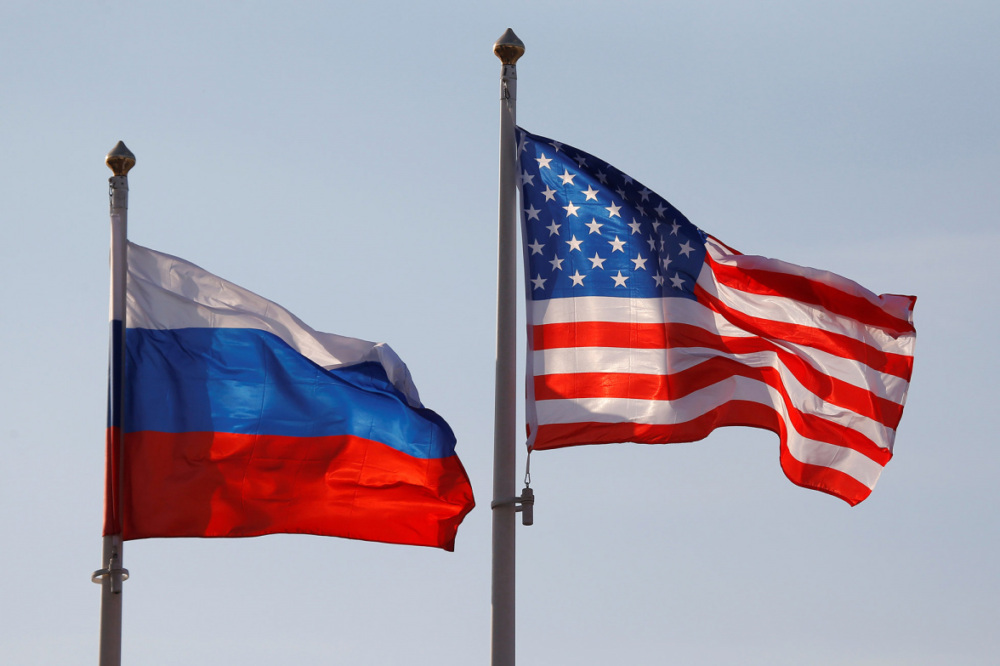
New START, the last remaining arms control treaty capping U.S. and Russian nuclear arsenals, expires on February 5. This marks the beginning of a dangerous new era. For the first time in several decades, there will be no limits on nuclear weapons, less visibility into Russian nuclear weapons activities, and fewer tools to manage a crisis between the world’s two largest nuclear powers.

NTI encourages the United States and the Russian Federation to continue to abide by New START’s limits on intercontinental-range nuclear weapons past its scheduled expiration on February 5, 2026.

Participants examined how NWFZs can be productive geopolitical tools amid mounting challenges, including great power competition, disruptive technologies, and a weakening global nonproliferation and disarmament architecture.
Sign up for regular updates on innovative, real-world solutions to existential threats.