
Ernest J. Moniz
13th U.S. Secretary of Energy
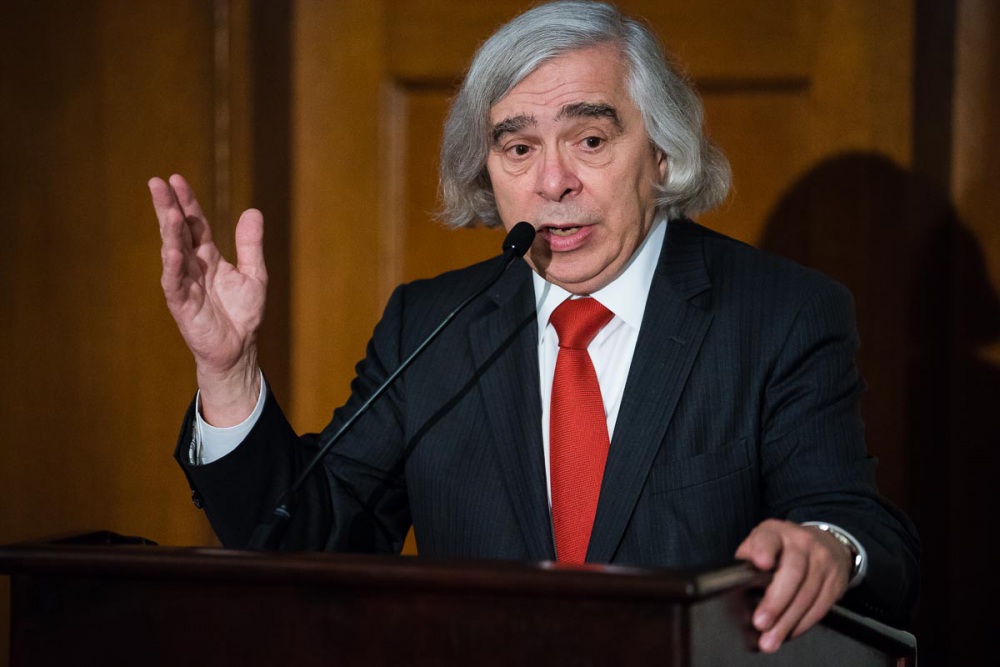
“President Trump’s decision today to withdraw
from the Iranian nuclear deal is a major strategic mistake that not
only damages the United States’ ability to prevent Iran from acquiring the
material for a nuclear weapon, but also impairs our ability to
prevent the spread and use of nuclear weapons, to work with allies and partners
on issues of global concern and to protect our interests in the Middle East for
years, if not decades, to come. The Iran nuclear deal rolled back Iran’s
nuclear program and imposed uniquely stringent monitoring and verification
measures—the most important elements of which were permanent—to
prevent the country from ever developing a bomb. The United States is
now in violation of the terms of the deal without offering a credible
alternative.
“The Iran deal is
and has always been about depriving Iran of the nuclear materials—highly enriched uranium and
plutonium—needed to
make a weapon. As international inspectors, who have been on the
ground every day since the deal was concluded, have confirmed: the
Iran agreement has accomplished this. The fact that the advice of this
nation’s most important allies was ignored in this decision adds to the consequence
of the President’s decision.
“Remaining in the agreement was very clearly in the U.S. national
interest. It’s hard to predict what will unfold from here, but the
President has driven a deep wedge between the United States and our allies in
Europe and has withdrawn from the process that would allow a comprehensive investigation
of the Iran archives recently revealed by Israel.”
CONTACT: Cathy Gwin
202-454-7706, [email protected]
###
Sign up for our newsletter to get the latest on nuclear and biological threats.
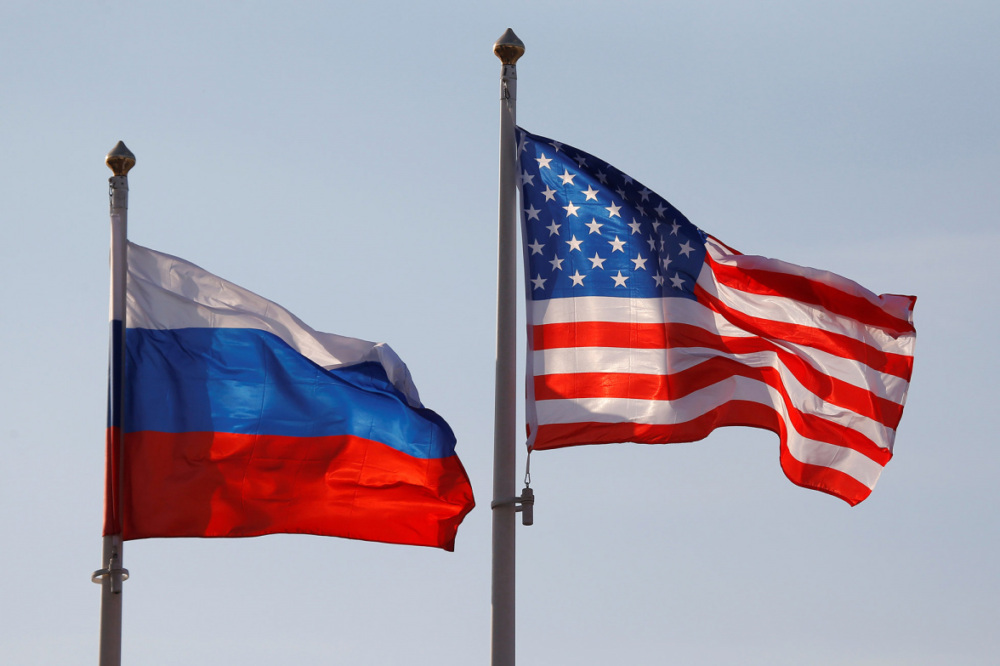
New START, the last remaining arms control treaty capping U.S. and Russian nuclear arsenals, expires on February 5. This marks the beginning of a dangerous new era. For the first time in several decades, there will be no limits on nuclear weapons, less visibility into Russian nuclear weapons activities, and fewer tools to manage a crisis between the world’s two largest nuclear powers.

NTI encourages the United States and the Russian Federation to continue to abide by New START’s limits on intercontinental-range nuclear weapons past its scheduled expiration on February 5, 2026.

Participants examined how NWFZs can be productive geopolitical tools amid mounting challenges, including great power competition, disruptive technologies, and a weakening global nonproliferation and disarmament architecture.
Sign up for regular updates on innovative, real-world solutions to existential threats.