
Isabelle Williams
Senior Director
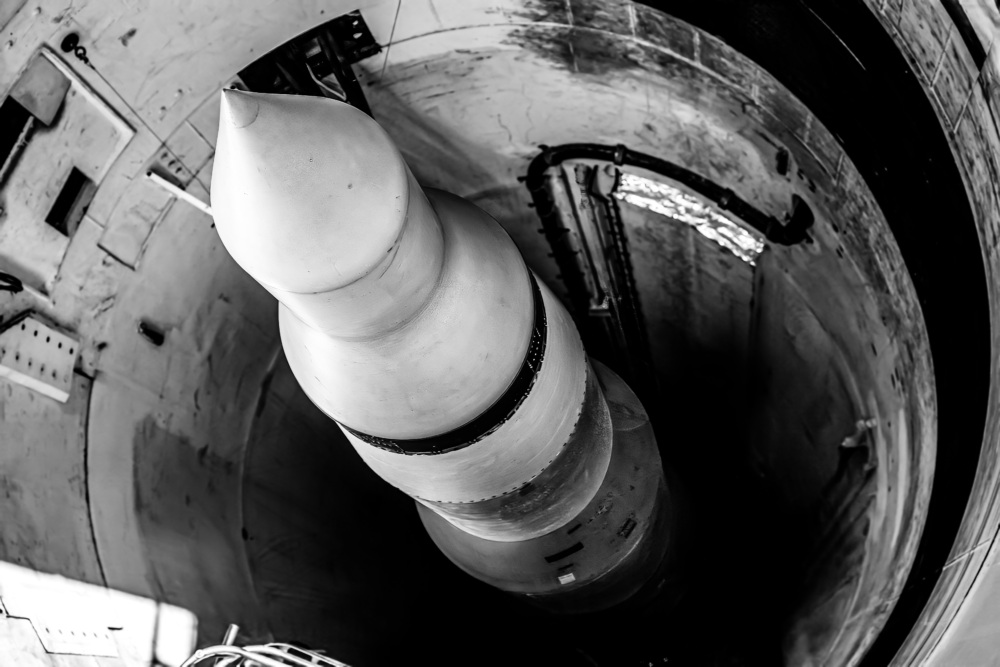
Rising tensions and emerging technologies like artificial intelligence increase the risk of nuclear weapons being used as a result of an accident or mistake.
Promote independent nuclear fail-safe reviews by nuclear-armed states to strengthen safeguards against accidental or unauthorized use.
Nuclear-armed states and other countries recognize fail-safe reviews as a global risk reduction priority.
Nuclear fail-safe reviews are periodic, comprehensive reviews of a state’s nuclear weapon systems. They are designed to identify vulnerabilities and to strengthen practical measures against accidental or unauthorized nuclear use.
As nuclear-armed states modernize their arsenals, and emerging technologies, including AI and cyber, rapidly evolve and integrate with military systems, fail-safe reviews are increasingly urgent.
Unlike arms control or other risk reduction measures, fail-safe reviews do not require negotiation or agreement among states. Each nuclear-armed state can conduct its own review to strengthen safety and reduce risk.
Examples of fail-safe measures include:
NTI worked with the U.S. Congress to mandate a new independent U.S. fail-safe review in 2022. The review was concluded in 2024 and briefed to Congress.
Since 2023, NTI has expanded this work globally. Working with the Asia-Pacific Leadership Network, the European Leadership Network, and the Euro-Atlantic Security Leadership Group, NTI has engaged experts and officials from other nuclear-armed states to build support and know-how for unilateral failsafe reviews. This includes a series of in-person and virtual workshops with officials and experts from China, France, the United Kingdom, India, and Pakistan.
To read workshop summaries click here.

The integration of AI into nuclear systems is underway. The guardrails, safety, and security frameworks needed to understand and manage the consequences are not. A new generation of AI-informed nuclear fail-safe reviews is urgently needed in all countries with nuclear weapons.

The Nuclear Threat Initiative (NTI), Euro-Atlantic Security Leadership Group (EASLG), Asia-Pacific Leadership Network (APLN), and European Leadership Network (ELN) have worked since March 2020 to highlight the benefits of independent, internal “fail-safe” reviews in nuclear-armed states.
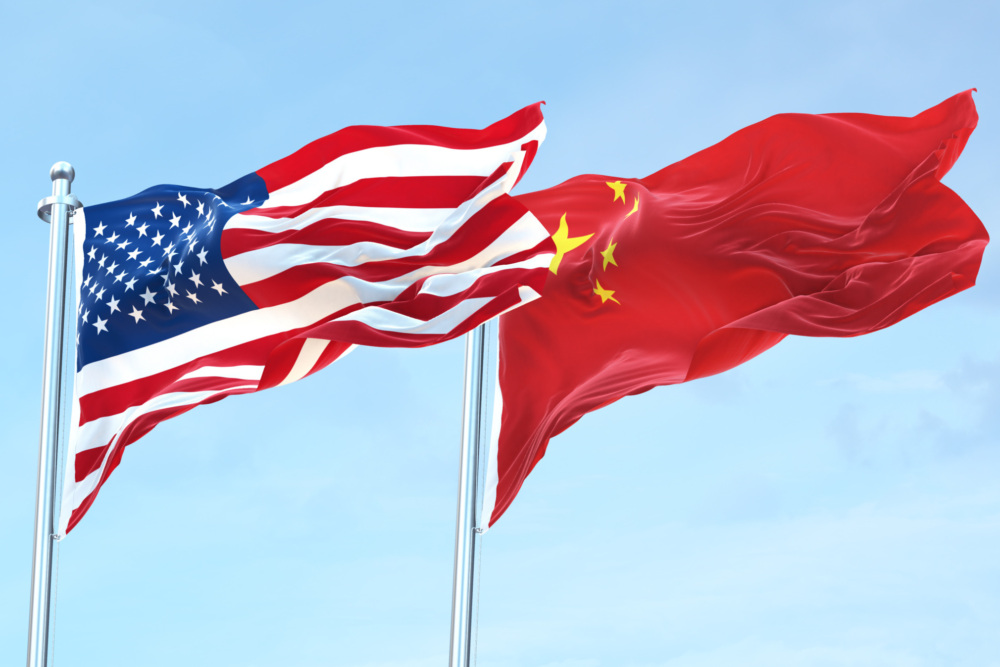
NTI convened a roundtable on April 2 with 25 experts and officials to examine the challenges and opportunities for advancing dialogue between the U.S. and China. The discussion featured Dr. Tianjiao Jiang, a Chinese expert on nuclear and emerging technology policy, who spoke on “Issues and Obstacles for U.S.-China Engagement on Nuclear and AI Dialogue.”

Strengthening nuclear fail-safe measures and applying and adapting principles governing the use of outer space for peaceful purposes are essential to preventing nuclear use and maintaining strategic stability.

At a time of rising global tensions and rapid technological change, NTI continues to deepen its international partnerships and promote productive dialogue on nuclear risk reduction efforts.
Over the past five years, NTI has championed globally a groundbreaking new policy initiative to reduce nuclear risk – the independent review of the safety, security, and reliability of nuclear weapons and related systems in nuclear-armed states.
Modern technologies like cyber are introducing new risks to nuclear systems and underscore the need and urgency of conducting a new failsafe review.
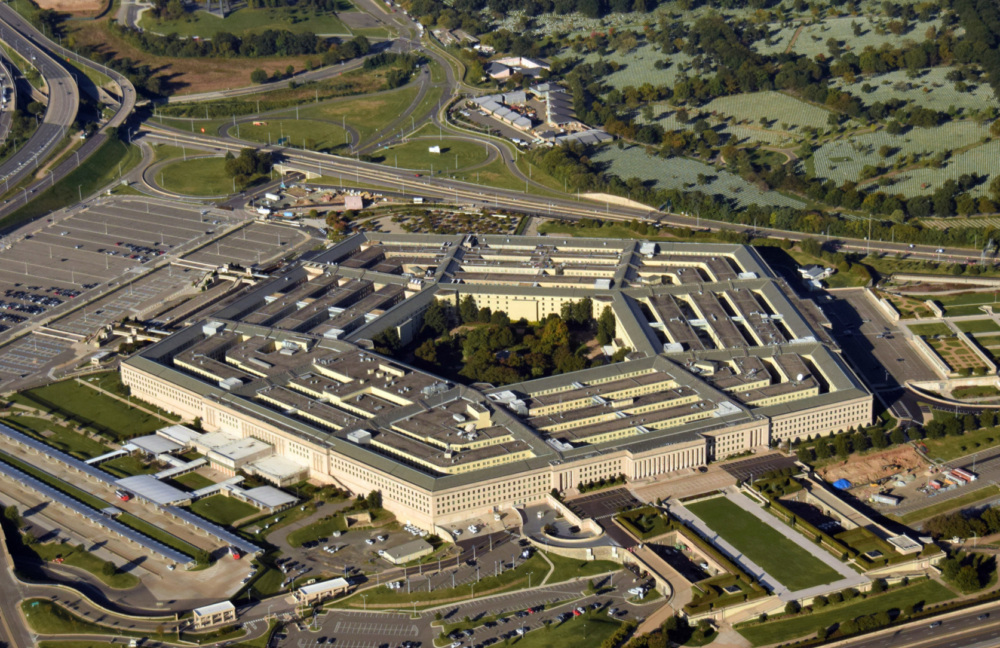
"The NPR sets the right course by emphasizing dialogue and diplomacy, aiming to reduce the role of nuclear weapons in national security strategy."
Sign up for regular updates on innovative, real-world solutions to existential threats.