

Hayley Severance
Deputy Vice President, Global Biological Policy and Programs
No country is fully prepared for future pandemic or epidemic threats. African nations face unique challenges and opportunities in building resilient health systems, sustaining investments and capacities, and strengthening health security governance.
Work with African experts and international stakeholders to build an African Health Security Index to assess national capacities to prevent, detect, and respond to high-consequence biological threats.
Enable leaders to measure, finance, and advance improvements in health security and create an evidence-based accountability framework to track progress toward better epidemic and pandemic preparedness in Africa.
Deputy Vice President, Global Biological Policy and Programs

Senior Director, Global Biological Policy and Programs

Senior Director, Global Biological Policy and Programs

Executive Assistant & Events Coordinator, Global Biological Policy and Programs

Senior Director, Communications
The Africa Health Security (AHS) Index is a comprehensive, independent assessment of epidemic and pandemic preparedness across Africa.
The world remains dangerously unprepared for the next biological threat. 2026 index findings are both a sign of progress and a call to action. The AHS Index reveals significant gaps in critical health infrastructure despite important recent progress in health security capacity.
African investment in health security is working, but more progress is needed. Africa’s health security capacity has improved since 2021 with gains across prevention, detection, and response. The average score for the continent rose from 32.4 to 41.5 out of 100. Progress is real, but critical and substantial gaps remain.
Leaders across the world continue to neglect investing in epidemic and pandemic prevention, preparedness, and response, regardless of their income level. Political will and sustainable financial resources will be critical in building lasting capacity to prevent, detect, and respond to emerging biological threats.
Created on the recommendation of African public health leaders, the AHS Index provides new data on health security targets across the continent, including new preparedness indicators at the intersection of health and climate security.
The AHS Index enables African leaders to track the impact of programs to improve health security and identify opportunities to advance epidemic and pandemic preparedness. The Index includes data from a broad set of health security indicators, building on the Global Health Security Index framework, and it includes a focused analysis of African priorities:
The AHS Index:
The Africa Health Security Index Reference Group is a group of African experts providing strategic direction for the project, ensuring that it effectively serves the needs of African public health and health security leaders.
The AHS Index is developed by NTI | bio, the Brown University Pandemic Center, Economist Enterprise, and Science for Africa Foundation, in collaboration with the University of the Witwatersrand (Johannesburg, South Africa), and University of Tunis El Manar (Tunis, Tunisia). Funding is provided by the Gates Foundation. Learn more about the full project team here.
Africa’s experience shows why climate change and health cannot be separated. A One Health approach is essential to managing growing risks at the intersection of people, animals, and the environment.
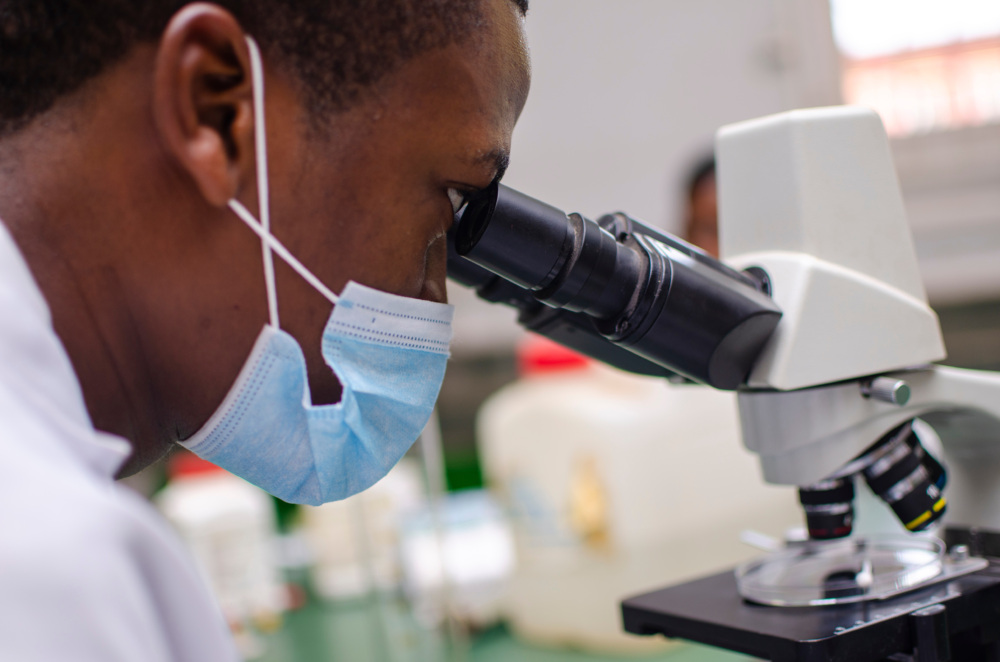
The AHS Index is an objective, evidence-based tool that helps countries and organizations set priorities and identify where investments can have the greatest impact. As health threats become more complex and interconnected, maintaining momentum will require sustained investment, stronger partnerships, and continued political commitment.
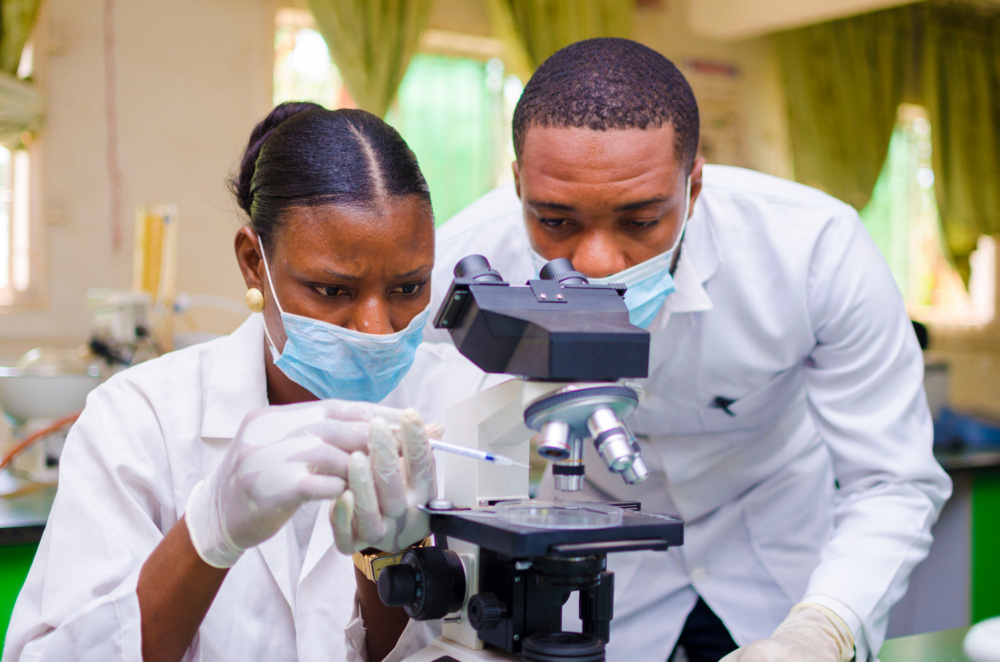
African countries are building stronger systems to advance health security and sovereignty. However, the scale and speed of rising health threats call for urgent action and increased investment.
New Africa Health Security Index reveals how rising threats and health emergencies, including Central Africa’s current Ebola outbreak, could erode progress
Past Event
Webinar
|
3:30 – 5:00 pm EAT (8:30 am – 10:00 am ET)
NTI | bio experts will take part in several GHS2026 sessions, including a preview of findings from the forthcoming Africa Health Security (AHS) Index and a timely discussion on strengthening health security partnerships amid declining resources.
As global resources become more constrained, evidence-based tools that guide investments toward maximum impact are more important than ever. This World Health Day, the WHO urges the world to embrace evidence, support science-led solutions, and advance global cooperation to turn evidence into action.

Global health security —the ability to protect against the negative impacts of disease outbreaks — is too important to be left solely to the public sector. Industry has a vital interest in helping countries better prepare for future epidemics and pandemics.

You might not expect a man in yellow tights eating syrupy spaghetti to teach you about global health security—but Elf offers surprisingly helpful lessons to understand the importance of addressing biological threats before they become global pandemics.

Past Event
San Francisco, California J.P. Morgan Healthcare Conference
|
9:45AM PT
Amid a combination of economic slowdown, reductions in official development assistance, rising biological threats, and climate change’s disproportionate impact on Africa, leaders and experts call for data-driven tools to guide strategic health security investments.

The Pandemic Agreement is a historic step toward strengthening global systems to prevent, detect, and respond to epidemic and pandemic threats. Yet many low- and middle-income countries face significant political and technical challenges in ratifying and implementing the agreement.

NTI applauds today’s announcement that the International Negotiating Body of the World Health Organization (WHO) has reached a deal on the language of the Pandemic Accord. Pandemics continue to pose a global threat, and this proposed agreement is proof that the world can unify to reduce the most catastrophic risks.
Sign up for regular updates on innovative, real-world solutions to existential threats.