

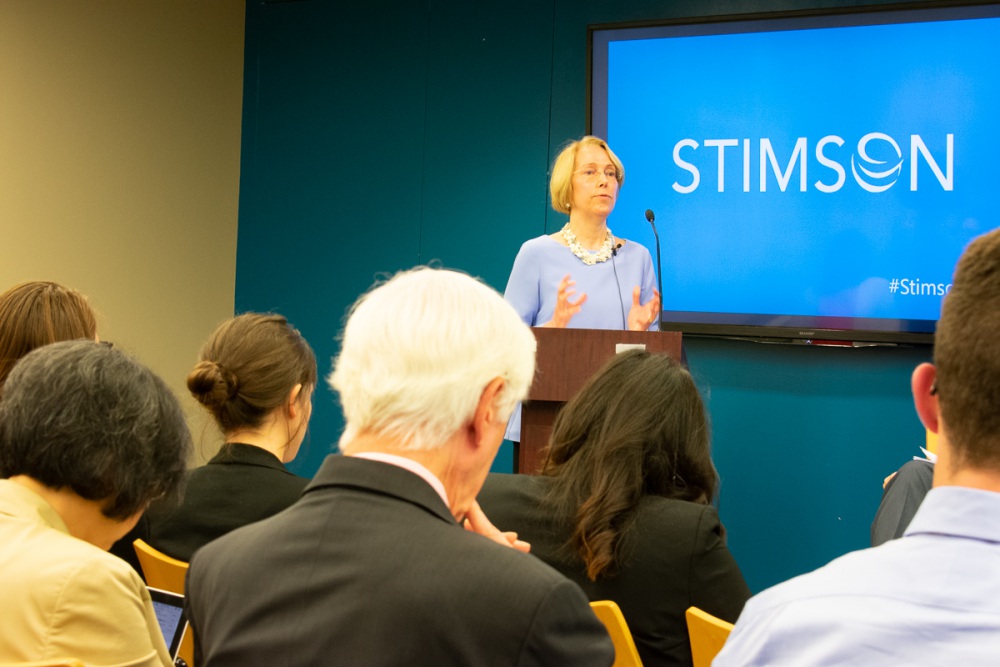
How is the global nonproliferation regime faring in today’s
current policy climate? Not very well, according to top nuclear experts at a
recent panel discussion, The
Nonproliferation Treaty at Fifty, hosted by the Simson Center.
Scott Sagan, co-author with Kenneth Waltz of The Spread of Nuclear Weapons, warned that
we should be “concerned by leaders who surround themselves with yes-men,” because
it could increase the likelihood that nuclear weapons would be used without a
thorough discussion of the options. Sagan also said he has underestimated the
hawkishness of the American people and expressed concern that the public would
be a goad, not a constraint, if the US were considering nuclear use.
Panel member Susan Burk, former Special Representative of
the President for Nuclear Nonproliferation, noted that in the past, the United States
traditionally led efforts to add new countries as parties to the NPT, and the treaty
was seen as a way to hold P-5 countries accountable. Today, she said, the
continued existence of thousands of nuclear weapons has drawn criticism from
the international community.
“Love it or hate it,” Burk says, the Nuclear Ban Treaty passed
at the United Nations in 2017 addresses many concerns of non-nuclear weapons
states and is widely viewed as a rejection of deterrence theory. Despite the
Ban Treaty’s shortcomings, Burk emphasized that it is raising important issues.
Matthew Kroenig, an Associate Professor at the Edmund A.
Walsh School of Foreign Service at Georgetown University, offered a slightly
more hawkish view of the current nuclear policy climate and the NPT, arguing
that the US administration’s recent Nuclear Posture Review was on the right
track, and that “credit is due” for President Trump’s efforts leading to this
week’s US-North Korea summit.
NTI President Joan
Rohlfing injected some optimism into the discussion by offering several paths
forward for the nonproliferation community, including focusing on cybersecurity
around nuclear facilities and “closing gaps in current fuel cycle
architecture.”
Rohlfing also emphasized the need to “lower the temperature”
and reduce the role of nuclear weapons in US security strategy. Recalling the
false missile alert Hawaii recently experienced, Rohlfing noted that such world
events “give us the opportunity to educate the public” on the danger of nuclear
issues.
Sign up for our newsletter to get the latest on nuclear and biological threats.
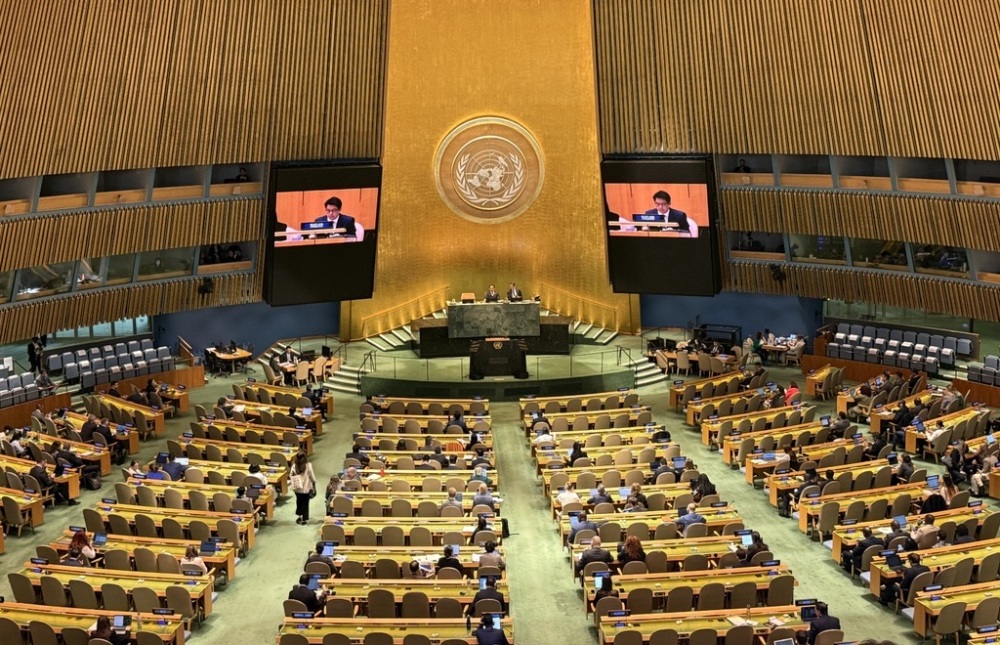
After four weeks of intense negotiations, it is entirely understandable to feel frustration, disappointment, and anger. What we cannot afford is for diplomats, policymakers, and publics to internalize that frustration as resignation.
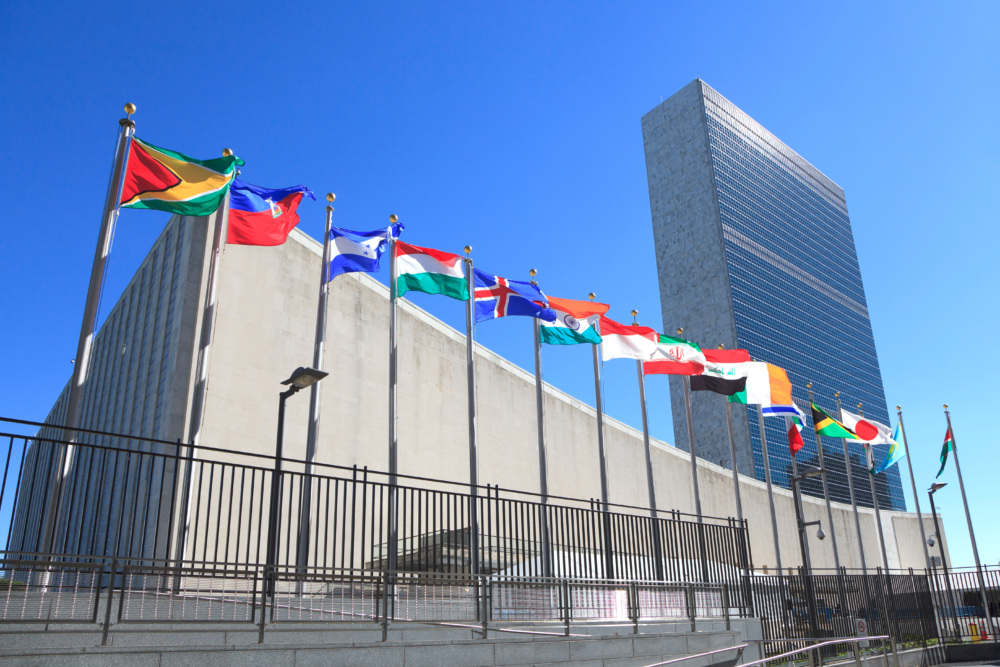
At a time when the NPT is under growing strain, NWFZs stand out as one of areas where cooperation has not only endured but delivered tangible results. They demonstrate that large regions can sustain security without nuclear weapons, and that states are willing to translate commitments into practice.

Congress’s oversight of U.S. nuclear policy is at a critical juncture. When the U.S. Senate approved New START in 2010, it mandated several annual reports and certifications to ensure strong congressional oversight of Russian compliance with the treaty. These requirements expired along with the treaty, creating oversight gaps just as strategic competition heats up.
Sign up for regular updates on innovative, real-world solutions to existential threats.