NTI Statement on the 2022 Nuclear Posture Review
"The NPR sets the right course by emphasizing dialogue and diplomacy, aiming to reduce the role of nuclear weapons in national security strategy."
In a new video released by the Nuclear Threat Initiative (NTI), national security expert and former White House cyber czar Richard A. Clarke explains why the risk of cyber attacks on nuclear weapons systems should have us all concerned—and what we can do about it.
The video follows the release of President Biden’s Nuclear Posture Review and comes just days after another speech from Vladimir Putin raised questions about whether Russia would use nuclear weapons in Ukraine. Biden recently called the prospect of nuclear Armageddon the highest since the Cuban Missile Crisis and said that mistakes and miscalculations with nuclear weapons could lead to a “horrible outcome.”
In the video, which builds on NTI’s body of work to address cyber-nuclear threats, Clarke explains how cyber threats to our nuclear weapons systems make a tense geopolitical situation even riskier. He also breaks down how current United States’ nuclear modernization efforts that introduce new digital components could make nuclear systems more vulnerable to hackers.
As Clarke says, already the U.S. Government Accountability Office report found “mission-critical cyber vulnerabilities in nearly all of the weapons systems that were under development” by the Department of Defense.
“Since the invention of nuclear weapons, we have avoided an accidental, unauthorized, or miscalculated launch,” Clarke says. “But there have been dozens of close calls–and in today’s cyber age, our luck could run out.”
NTI released an accompanying backgrounder and social media toolkit for individuals and organizations interested in sharing the video to help educate the public about the cyber-nuclear threat.
Watch the video and learn more.
Sign up for our newsletter to get the latest on nuclear and biological threats.
"The NPR sets the right course by emphasizing dialogue and diplomacy, aiming to reduce the role of nuclear weapons in national security strategy."

New YouGov polling commissioned by NTI and ReThink Media finds that nearly 80 percent of registered voters, across party lines, say it is in the interest of U.S. national security to work with China to mitigate catastrophic threats associated with nuclear risks, AI development, and bioterrorism.
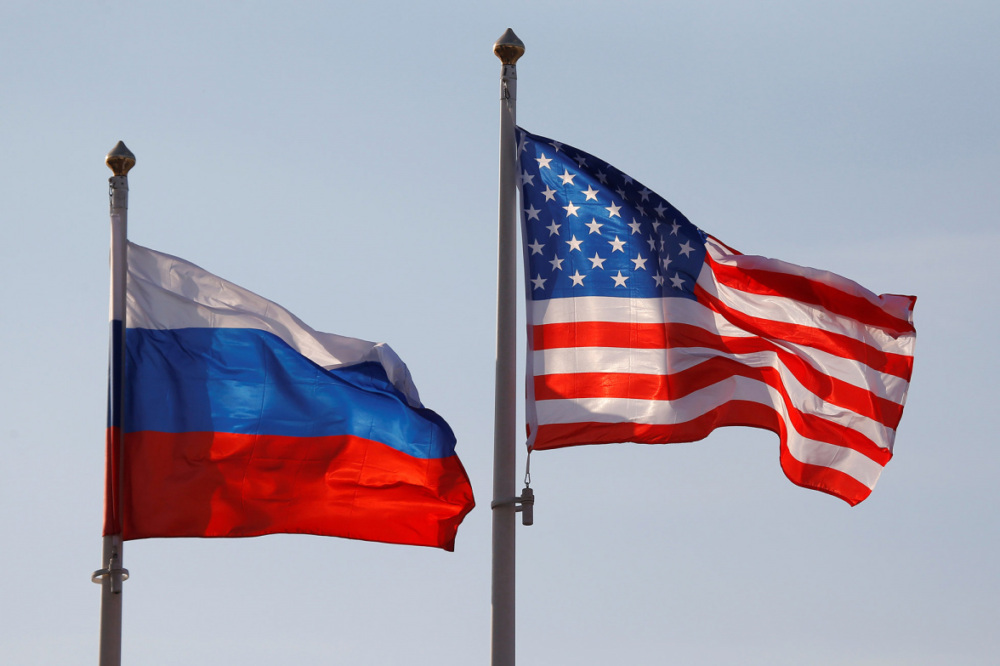
New START, the last remaining arms control treaty capping U.S. and Russian nuclear arsenals, expires on February 5. This marks the beginning of a dangerous new era. For the first time in several decades, there will be no limits on nuclear weapons, less visibility into Russian nuclear weapons activities, and fewer tools to manage a crisis between the world’s two largest nuclear powers.
Sign up for regular updates on innovative, real-world solutions to existential threats.