

Jessica A. Bell
On Intergovernmental Personnel Act (IPA) Appointment
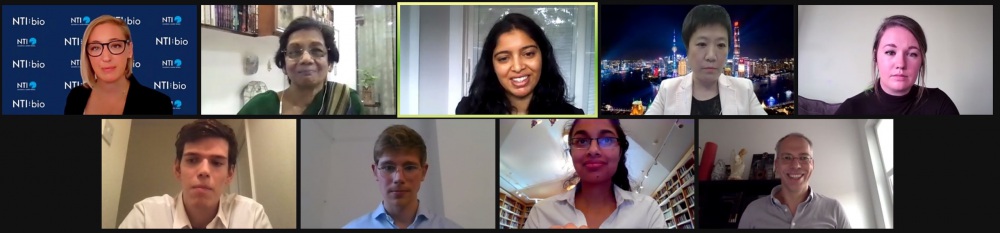
NTI | bio and partners hosted two virtual side events—one on using the Global Health Security (GHS) Index as a guide for responding to COVID-19; the other on strengthening biosafety and biosecurity through the Biosafety and Biosecurity Action Package to prevent and address future crises—as part of the 6th annual Global Health Security Agenda (GHSA) Ministerial Meeting. The Government of Thailand, host of this year’s GHSA Ministerial Meeting, invited partner countries, civil society, and international organizations to organize these events throughout October and November in the lead up to the official ministerial proceedings on November 18-20.
On October 20, NTI and the Johns Hopkins Center for Health Security hosted, “Monitoring and Evaluating Health Security: Using the Global Health Security (GHS) Index to take National-Level Action.” This event, hosted the same week as the one-year anniversary of the launch of the first GHS Index, underscored how essential it is for countries to take steps toward strengthening their capacity to prevent, detect, and respond to future outbreaks. The event featured international experts and the recent winners of 2020 Next Generation for Biosecurity Competition who highlighted core capacities, such as surveillance, reporting, and healthcare access, that have been essential to national COVID-19 responses. The participants discussed how these core capacities can be strengthened and monitored to support future outbreak preparedness and response efforts with the help of tools like the GHS Index. Watch the event here.
On October 29, NTI and the GHSA Action Package for Biosafety and Biosecurity (APP3) hosted, “Biosecurity and Biosafety in the Time of COVID-19: Taking Action to Mitigate Urgent and Emerging Biological Risks.” This event emphasized the importance of robust biosafety and biosecurity standards, especially in light of COVID-19. As countries rapidly bolster their laboratory and disease surveillance capacities to combat COVID-19, safety and security must be prioritized to reduce the risk of accidental or deliberate infection or release of the coronavirus. This discussion highlighted global, regional, and local actions taken to fight COVID-19, and resources that can be used to bring sectors together to address global biosafety and biosecurity challenges. More information about the event can be found here.
Sign up for our newsletter to get the latest on nuclear and biological threats.
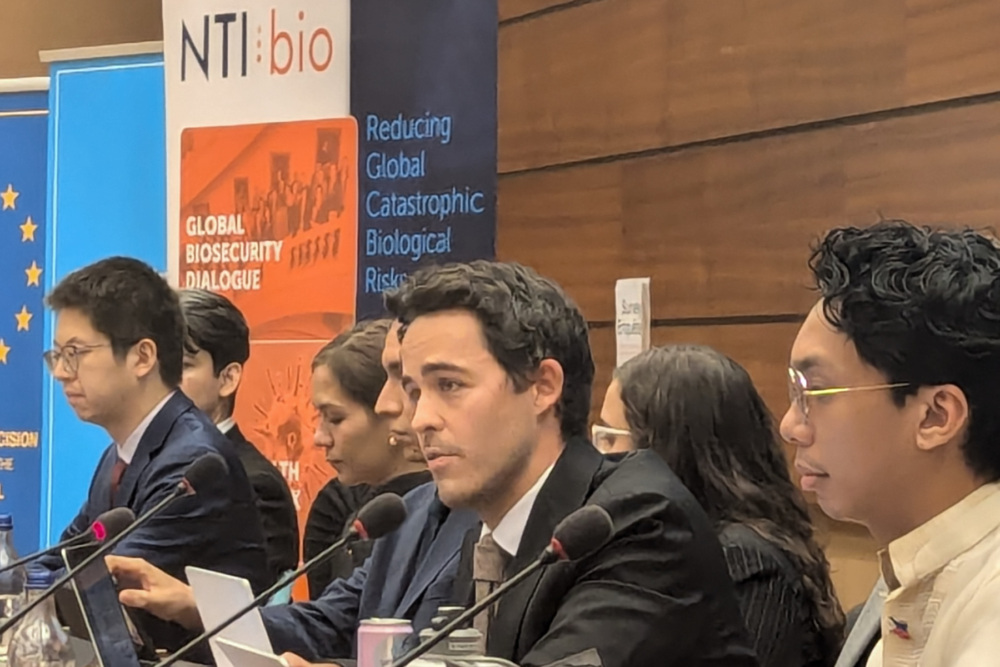
Policy decisions made today will shape the world's ability to prevent and respond to biological threats for decades to come. Meeting that challenge will require more than expert analysis. It will require collaboration across generations of leaders to engage policymakers and the public.
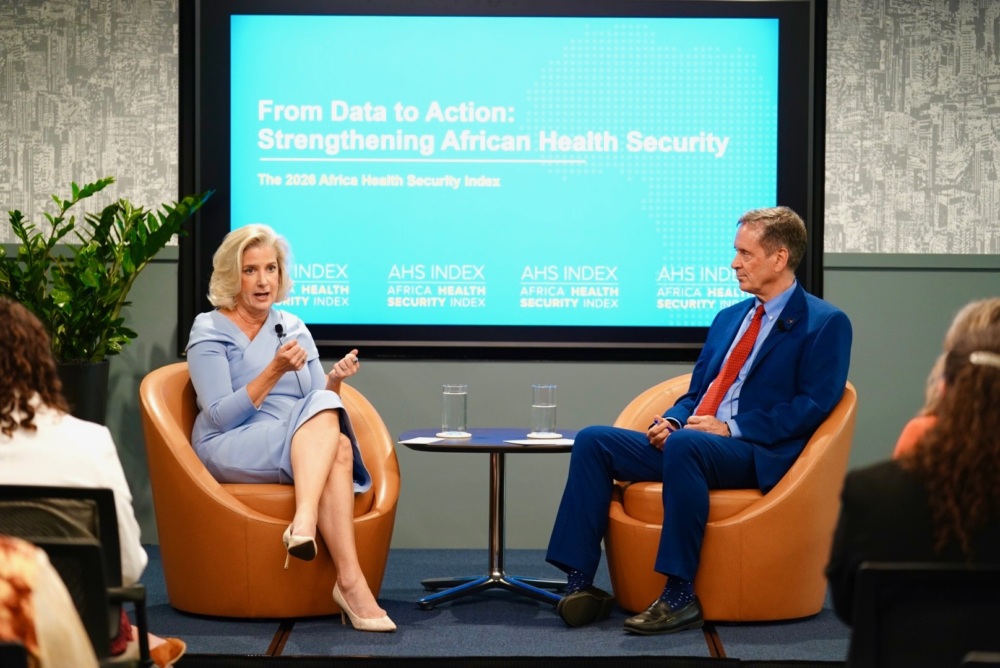
Ambassadors and officials from African embassies, U.S. government representatives, and health security and philanthropic leaders gathered at NTI on October 7 to discuss how data from the 2026 Africa Health Security Index can guide critical decisions to sustain preparedness across the continent.

Students and early-career professionals from 19 countries across five continents entered the 2025 competition. The challenge called for innovative papers on how to define “biological weapons” in today’s ever evolving biothreat landscape.
Sign up for regular updates on innovative, real-world solutions to existential threats.