

Ernest J. Moniz
13th U.S. Secretary of Energy
There can be no justification for terrorist attacks on civilians. We express our deepest sympathy to the families of those who have been killed or injured in the April 22 terrorist attack in Kashmir.
India’s decision to retaliate with military strikes on Pakistan yesterday was expected and raises the dangerous prospect of a rapid and unpredictable escalation of conflict between the two nuclear-armed countries. The risks of dangerous escalation and miscalculation are real, with a conventional war increasing the potential for nuclear threats, or even nuclear use, where millions could be killed in short order and serious effects felt for years well beyond the borders of the warring states. The focus now must be on preventing any such escalation.
To that end, it is imperative that leaders in New Delhi and Islamabad take steps to lower tensions in the region. In addition, the United Nations and other world leaders, in particular President Trump and President Xi, should take an active role in encouraging and facilitating those efforts. Even in this period of bilateral tensions, the United States and China have a shared interest in working with India and Pakistan to prevent war and nuclear use in South Asia. The relationships between the U.S. and India and between China and Pakistan can be employed constructively by advancing coordinated diplomacy that lowers tensions in the short term and rebuilds trust between India and Pakistan in the longer term. Washington and Beijing have found ways to work together on hard problems in the past (climate change and the Iran nuclear negotiations of a decade ago come to mind), and the risk of nuclear conflict in the Asian subcontinent should also be addressed in coordination.

New YouGov polling commissioned by NTI and ReThink Media finds that nearly 80 percent of registered voters, across party lines, say it is in the interest of U.S. national security to work with China to mitigate catastrophic threats associated with nuclear risks, AI development, and bioterrorism.
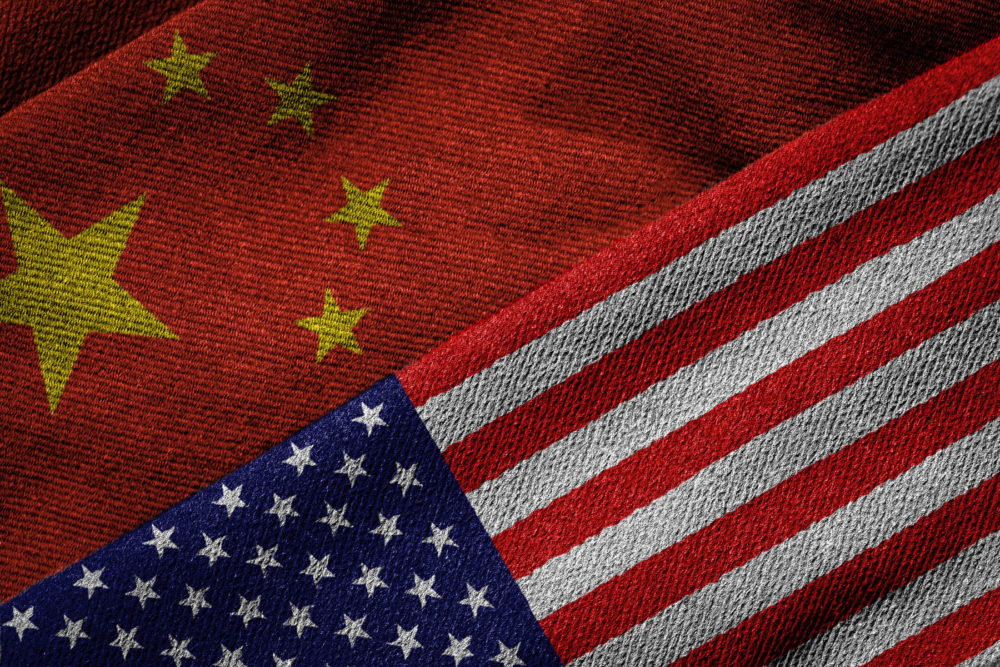
The Summit can produce outcomes that strengthen U.S. national security and reduce global nuclear and biological risks
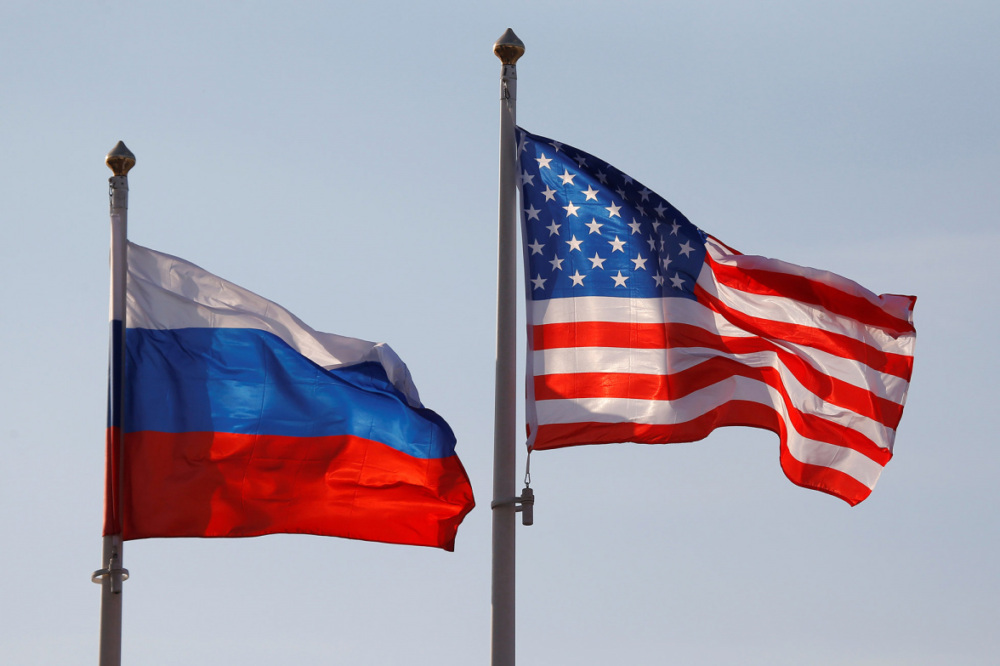
New START, the last remaining arms control treaty capping U.S. and Russian nuclear arsenals, expires on February 5. This marks the beginning of a dangerous new era. For the first time in several decades, there will be no limits on nuclear weapons, less visibility into Russian nuclear weapons activities, and fewer tools to manage a crisis between the world’s two largest nuclear powers.
Sign up for regular updates on innovative, real-world solutions to existential threats.