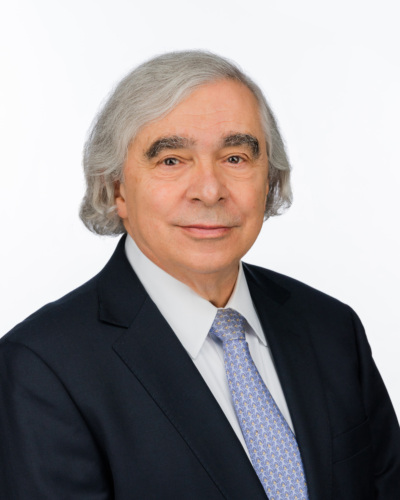
Ernest J. Moniz
13th U.S. Secretary of Energy

Terminating the U.S. relationship with the World Health Organization (WHO) will significantly impair the international response to the COVID-19 pandemic, threaten American and global health, and undermine international security.
The WHO leads the coordinated international response to COVID 19, which is required to save lives. In our interconnected world, the pandemic won’t be defeated in the United States until it’s defeated everywhere. The WHO is vital to that global fight.
Now more than ever, a strong WHO is needed to combat the global COVID-19 pandemic and to get ahead of the next pandemic—or worse, a global catastrophic biological event of even greater proportions.
Instead of walking away from the WHO, it is in the U.S. interest to take a leadership role in strengthening the WHO’s ability to reduce biological risks, detect threats early, and respond rapidly and effectively. It is also in the U.S interest to support the WHO’s work to advance the health security of all nations.
The WHO provides needed testing and protective gear to protect citizens and health workers around the world, promotes research and development toward vaccines for the world’s deadliest diseases, and enables external assessment of country capacity for biosecurity, disease detection, and emergency response.
We urge the Administration to reconsider this dangerous decision. Leaving the WHO will make the United States less secure and our entire world less prepared and less able to respond to COVID-19 and future catastrophic biological events that threaten lives, international security, and the global economy.
###
Ernest J. Moniz is the Co-Chair and Chief Executive Officer of NTI and served as the thirteenth United States Secretary of Energy . Beth Cameron is NTI's Vice President of Global Policy and Programs and served as the senior director for global health security and biodefense on the White House National Security Council staff. In 2002, NTI partnered with the WHO to establish an historic Global Emergency Outbreak Response Fundto strengthen the WHO's ability to rapidly respond to infectious disease outbreaks. NTI continues to value its partnership with the WHO.
Sign up for our newsletter to get the latest on nuclear and biological threats.
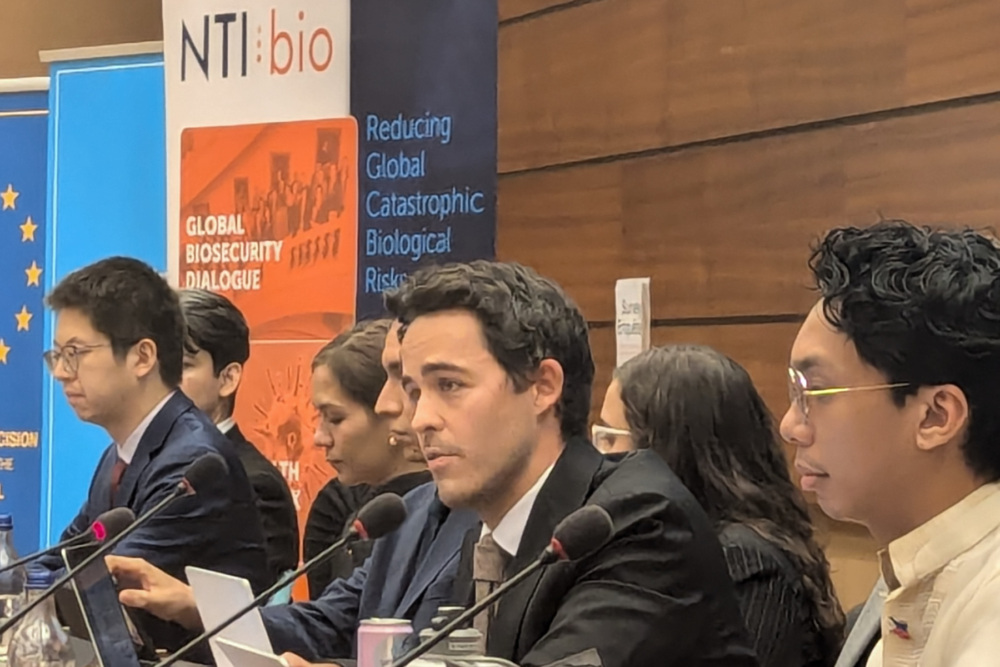
Policy decisions made today will shape the world's ability to prevent and respond to biological threats for decades to come. Meeting that challenge will require more than expert analysis. It will require collaboration across generations of leaders to engage policymakers and the public.
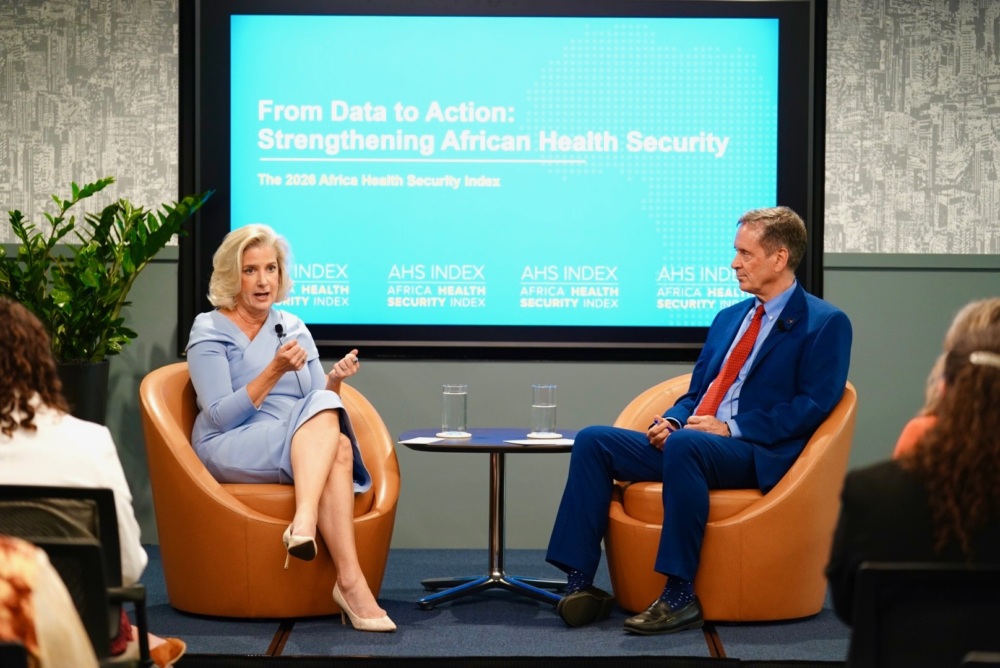
Ambassadors and officials from African embassies, U.S. government representatives, and health security and philanthropic leaders gathered at NTI on October 7 to discuss how data from the 2026 Africa Health Security Index can guide critical decisions to sustain preparedness across the continent.
New Africa Health Security Index reveals how rising threats and health emergencies, including Central Africa’s current Ebola outbreak, could erode progress
Sign up for regular updates on innovative, real-world solutions to existential threats.