Minimizing Weapons-Usable Nuclear Material: A Nuclear Security Success Story Still in Progress
One of the most significant achievements in reducing the risk of nuclear terrorism over the past two decades is something that rarely makes headlines.
Here we highlight the work of NTI and share knowledge, ideas, and viewpoints addressing the crosscutting challenges our world faces—addressing risks while supporting innovation—to make our world safer.
One of the most significant achievements in reducing the risk of nuclear terrorism over the past two decades is something that rarely makes headlines.
Sign up for our newsletter to get the latest on nuclear and biological threats.
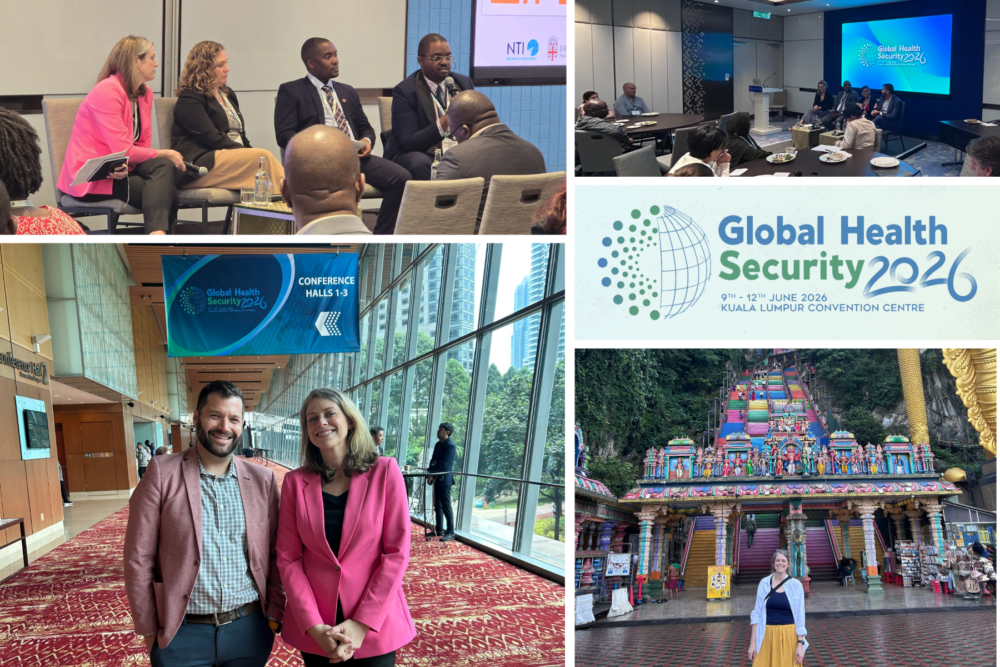
Multisectoral collaboration is a fundamental requirement for stronger health security.
NTI President and CEO Christine E. Wormuth joins fellow leaders in calling on U.S. policymakers to act with urgency and establish clear national standards for DNA synthesis screening.
The convergence of artificial intelligence and the life sciences continues to accelerate. The AIxBio Horizon Scan: Spring 2026 shows that while individual advances may seem incremental, their combined trajectory is significant. Progress is outpacing governance frameworks.
The convergence of artificial intelligence and the life sciences is reshaping what’s possible in biology, delivering major advances–ranging from accelerating vaccine discovery to advancing new tools for mitigating the effects of climate change–and new risks. NTI | bio’s AIxBio Horizon Scan looks ahead to where AIxBio capabilities are headed over the coming years.
Some of the world’s largest AI companies—Google DeepMind, OpenAI, and Anthropic—have warned that their models could be misused to cause harm with biology. The India AI Impact Summit is a critical moment for policymakers, scientists, developers, and biosecurity experts to work together on responsible governance that reduces AIxBio risks.
Life science research moves quickly. But not all research carries the same level or type of risk. For funders, the challenge is to identify risks early—without slowing critical research. And now there's a straightforward tool to help address this.
Mirror life operates outside the assumptions that underpin modern biosafety, biosecurity, and medical surveillance, meaning the policy challenge is not only what to regulate — but how to govern a technology that doesn’t yet exist.
The AI-biology convergence offers enormous benefits but also brings about risks as we’ve never seen before. Without action from multiple disciplines, the race for AI development and dominance could become a race to the bottom when it comes to safety and security.
Innovation requires security, and security requires innovation. Congress needs to act decisively to ensure U.S. leadership in biotechnology is paired with governance that keeps its development secure.
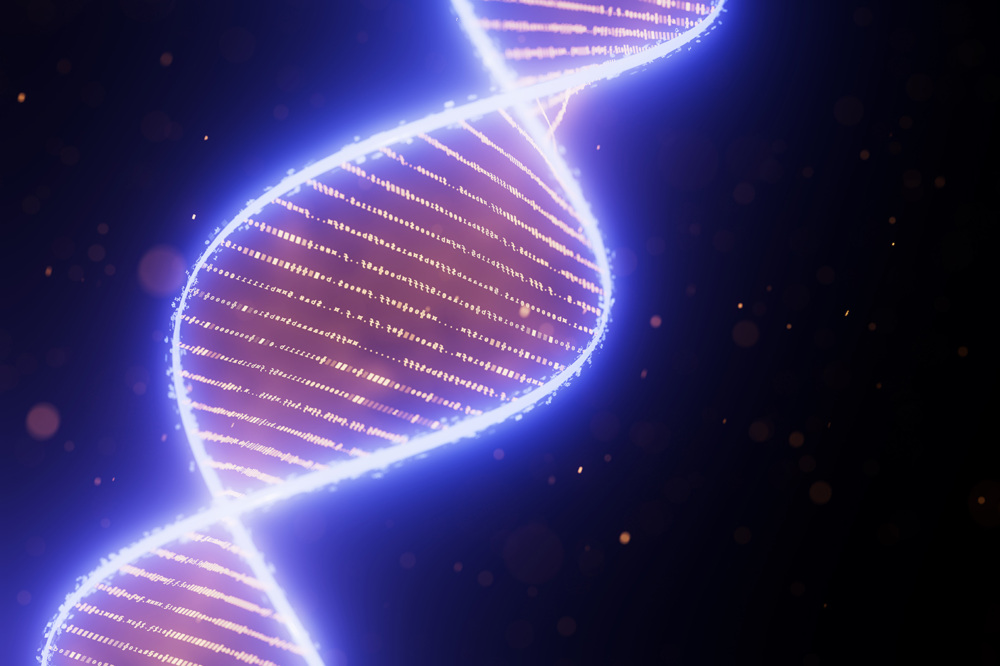
As the capabilities of biological AI tools continue to advance at an accelerating pace, it is vital that DNA synthesis providers and others in the biosecurity space embrace new guardrails to prevent their misuse.
Senior Director, Communications
Director, Communications
Sign up for regular updates on innovative, real-world solutions to existential threats.
{ location = 'https://www.nti.org/get-updates/' }, 300);">Get Updates