Minimizing Weapons-Usable Nuclear Material: A Nuclear Security Success Story Still in Progress
One of the most significant achievements in reducing the risk of nuclear terrorism over the past two decades is something that rarely makes headlines.
Here we highlight the work of NTI and share knowledge, ideas, and viewpoints addressing the crosscutting challenges our world faces—addressing risks while supporting innovation—to make our world safer.
One of the most significant achievements in reducing the risk of nuclear terrorism over the past two decades is something that rarely makes headlines.
Sign up for our newsletter to get the latest on nuclear and biological threats.
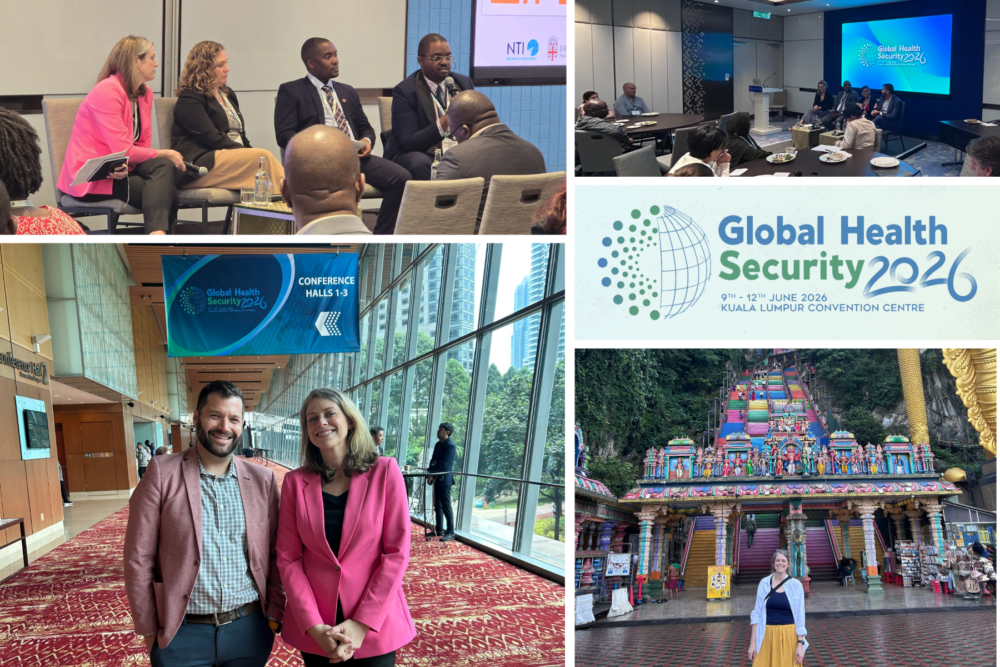
Multisectoral collaboration is a fundamental requirement for stronger health security.
Innovation requires security, and security requires innovation. Congress needs to act decisively to ensure U.S. leadership in biotechnology is paired with governance that keeps its development secure.
As the capabilities of biological AI tools continue to advance at an accelerating pace, it is vital that DNA synthesis providers and others in the biosecurity space embrace new guardrails to prevent their misuse.
OpenAI's latest release, ChatGPT Agent, represents a significant leap forward in artificial intelligence capabilities—and with it comes a thoughtful, proactive approach to managing the biosecurity risks that advanced AI systems can pose.
Artificial Intelligence has many potential applications and consequences for strategic risk. Here is NTI’s work on it so far.
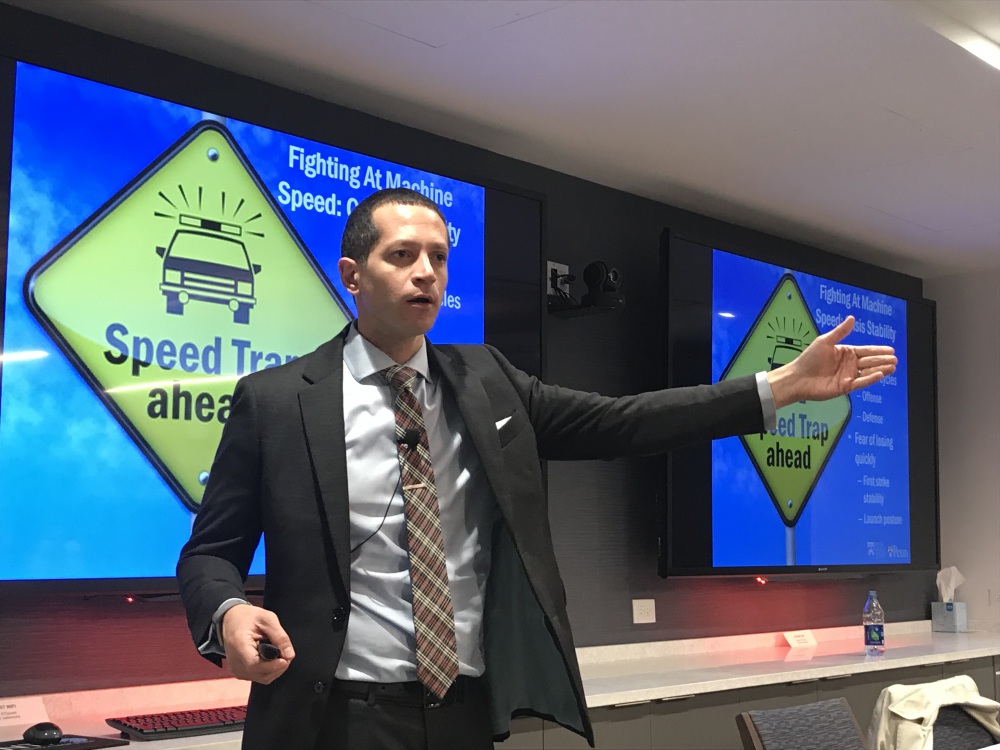
NTI Seminar: A Stable Nuclear Future? Autonomous Systems, Artificial Intelligence and Strategic Stability with UPenn’s Michael C. Horowitz
Senior Director, Communications
Director, Communications
Sign up for regular updates on innovative, real-world solutions to existential threats.
{ location = 'https://www.nti.org/get-updates/' }, 300);">Get Updates