

Ellen Leonard
Strategic Communications Consultant
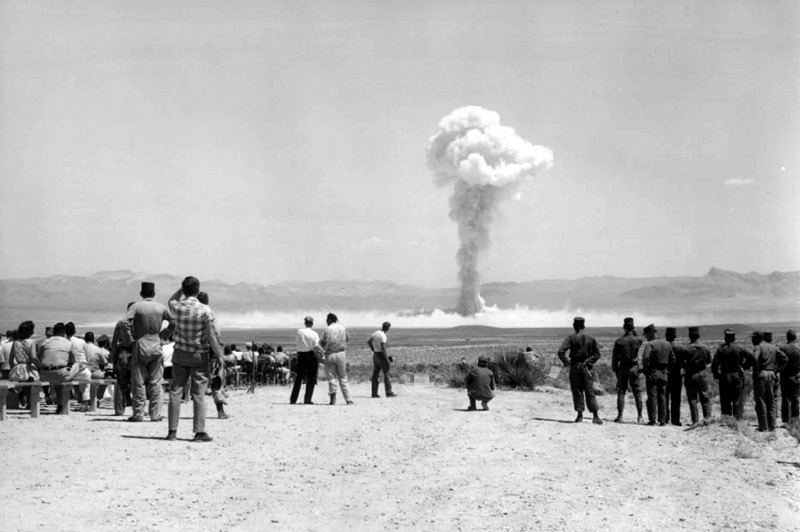
Earth Day is a celebration of what collective demand can accomplish. In 1970, millions of people demonstrated support for the United States to enact regulations and policies that would protect our environment and resources. It forced policy makers to listen, and they took steps toward a safer future through the creation of the Environmental Protection Agency (EPA).
The takeaway? Advocating for ourselves and our communities drives change and shapes our policy.
This spring, more than 50 years later, Earth Day comes alongside a new threat to our resources, our environment, and our future: the risk of a return to underground nuclear weapons testing.
In recent months, the Trump administration appears to have been flirting with a return to underground nuclear weapons testing, a decision that could have serious environmental and security implications.
The United States has not conducted explosive nuclear weapons testing in more than three decades. Each president, including Trump during his first term, voluntarily upheld the testing moratorium President George H.W. Bush signed in 1992 and the 1996 Comprehensive Nuclear-Test-Ban Treaty.
During the era of underground explosive testing (1957-1992), 32 tests vented large amounts of radioactive contamination into the atmosphere. In 1970, one of these accidents released 80,000 curies of radioactive contamination, exposing 86 workers to high levels of radiation and spreading radioactive material across parts of the western United States. Previous underground tests also left groundwater radioactively contaminated and unusable.
Exposure to radiation can cause chronic health conditions to populations over time including cancers, heart disease, neurological disorders, autoimmune disorders, and thyroid disease. People who were exposed to radioactive fallout from above and below ground nuclear weapons tests at the Nevada Test Site bear the repercussions of the tests.
Testing a nuclear weapon also would undermine our national security. If the United States resumes explosive testing, it is likely that other nuclear-armed countries would follow suit. Opening this door would cede the technical advantage the United States currently holds. Other countries have more to gain because of their limited test history and computer simulation capabilities.
Maintaining the moratorium on nuclear weapons testing is widely supported. It’s something bipartisan majorities across the country agree on and is critical to protecting our environment, maintaining our security, and creating a safer future.
In May 2025, the Nevada Legislature unanimously passed a resolution urging the federal government to maintain the 30-year moratorium on explosive nuclear weapons testing.
A popular Nevada-based band, The Killers, used their social media reach to call for explosive nuclear weapons testing to stay in the ‘90s.
Matthew Modine called on President Trump to maintain the testing moratorium.
And a survey found 73% of Nevada voters opposed a return to explosive underground nuclear weapons testing.
The opposition to renewed explosive nuclear weapons testing is broad, bipartisan, and growing. This Earth Day, be part of that momentum—by staying informed, raising concerns, and supporting efforts that protect our environment and security for the long term.
Sign up for our newsletter to get the latest on nuclear and biological threats.

August 29 is the International Day Against Nuclear Tests—a time to recognize the devastating toll of nuclear weapons tests and to recommit to a future without them.

Angela Guo is a high school student from Hong Kong currently studying at Phillips Academy Andover. She has spent the past year researching the impacts of nuclear testing on the Marshall Islands and recently published her first book, “At the Tide’s Mercy: Voices from the Marshallese Exodus”.

If you want to learn more about Oppenheimer’s bomb and what we must do to protect the world today and for future generations, NTI’s online library is the perfect place to go.
Sign up for regular updates on innovative, real-world solutions to existential threats.