

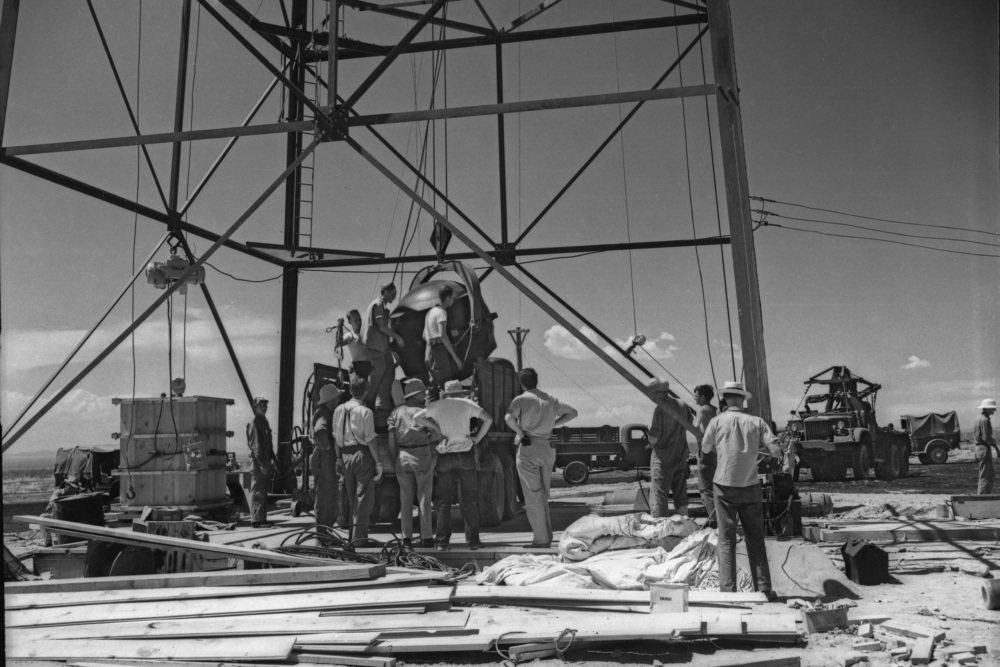
The Atomic Age began 80 years ago today on July 16, 1945, at 5:30 AM, when a plutonium bomb was detonated in Jornada del Muerto, near Alamogordo, New Mexico. Known as the Trinity Test, this explosion was the result of three years of secret research and development, culminating in what would become one of history’s most consequential scientific undertakings—the Manhattan Project.
The Trinity Test released an estimated 10 pounds of plutonium into the atmosphere as radioactive fallout, contaminating air, water, and food sources in New Mexico. Residents of New Mexico, unaware and unprotected during the Trinity Test, were exposed to dangerous fallout that led to long-term health consequences—including elevated cancer rates and increased infant mortality.
The film Oppenheimer brought greater attention to this story — and was an active reminder that while this is history, nuclear risks are not.
This year, for the first time, victims of the Trinity Test are poised to receive financial reparations under the Radiation Exposure Compensation Act (RECA). In another milestone, a bipartisan resolution was unanimously passed urging the federal government to uphold its 32-year moratorium on explosive nuclear weapons testing in Nevada.
The world continues to unfold in the shadow of the Trinity Test. Tensions continue to rise in nuclear-armed regions—including Eastern Europe, the Middle East, and East Asia.
In a time of heightened nuclear threats, NTI will soon kick-off our annual #CranesForOurFuture campaign. Organized in partnership with Hiroshima Organization for Global Peace (HOPe), the prefectures of Hiroshima and Nagasaki, and NTI, #CranesForOurFuture is an international call for global peace and disarmament.
From 6 to 9 August, we invite individuals and communities to fold paper cranes in solidarity with a shared vision: a world free of nuclear weapons.
Learn more here and join us in building a safer future for all.
Sign up for our newsletter to get the latest on nuclear and biological threats.
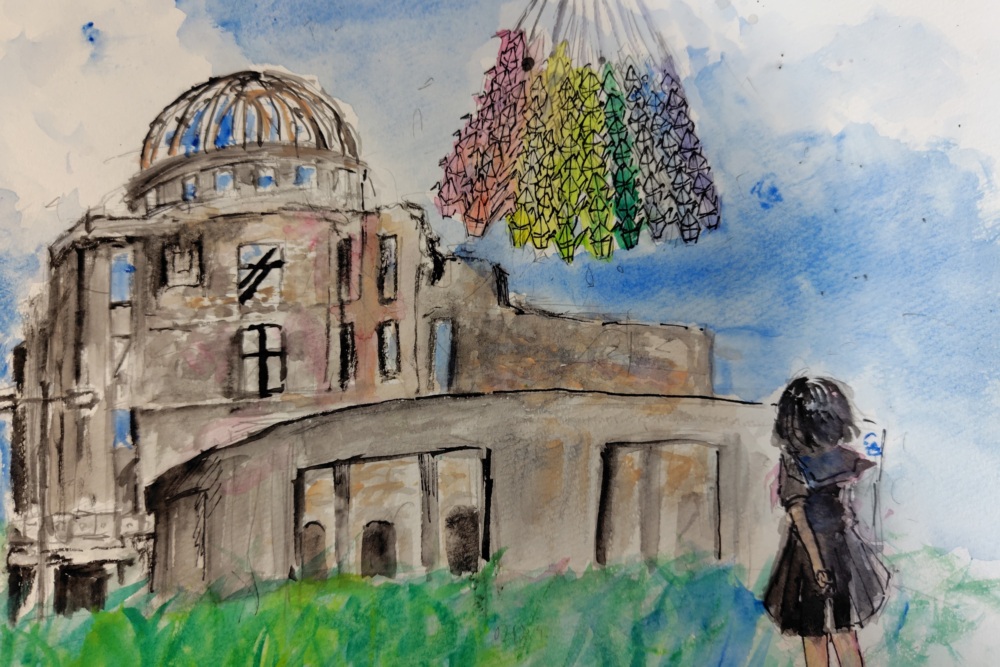
NTI’s Hiroshima and Nagasaki commemoration activities this year centered on the theme of passing the torch to the next generation. The result was an intergenerational connection reflected in two artists: 88-year-old Hiroshima survivor Toshiko Tanaka, and 13-year-old painter Kotone.
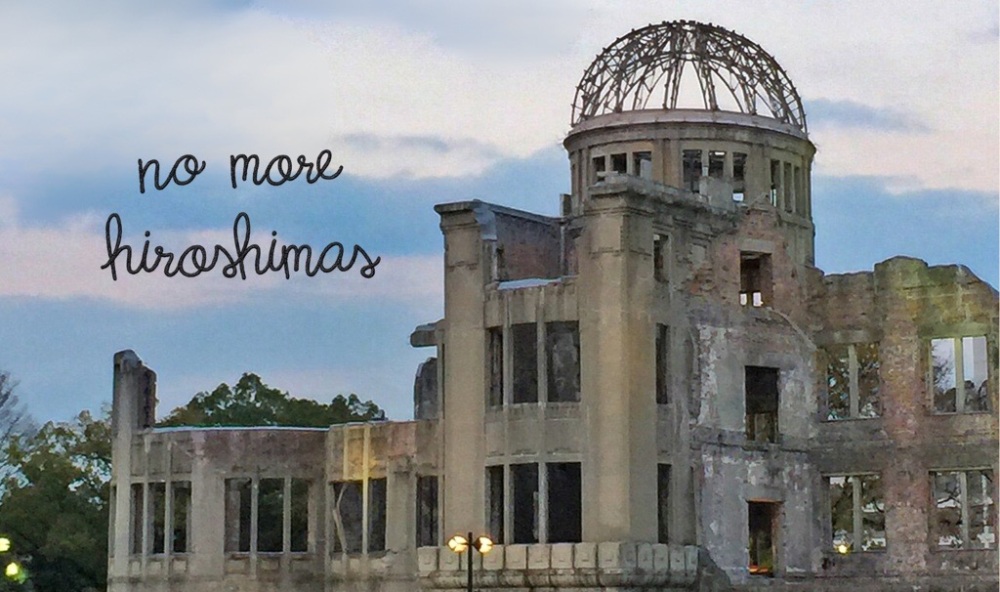
On the morning of August 6, 1945, in Hiroshima, Japan, parents shared breakfast with their children and sent them off to school. Some never came home. NTI is commemorating Hiroshima and Nagasaki through a series of activities that encourage remembrance, reflection, and wider awareness.

Kei Ito is the grandson of a Hiroshima atomic bomb survivor, and his interdisciplinary art explores the legacy of that trauma through themes of memory, identity, and the invisible impacts of nuclear war. NTI’s Grace Wankelman connected with Ito to discuss a powerful new piece of art he created for this year’s #CranesForOurFuture campaign.
Sign up for regular updates on innovative, real-world solutions to existential threats.