
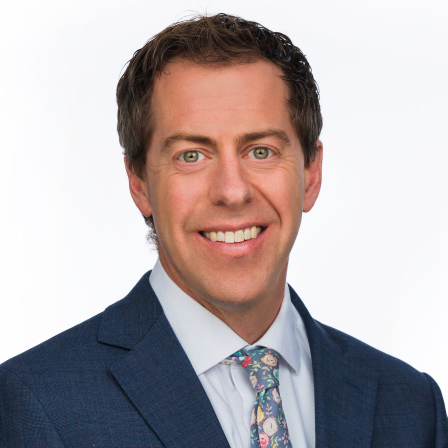
Hugh Sullivan
Vice President of Development

A publication that really struck me this year was NTI and Ploughshares’ “Rewriting the Narrative on Nuclear Weapons.” TLDR version: the way we talk about what we do shapes what gets done and who plays a role.
Our work is not always easy to talk about. NTI provides a direct service, but in a way that differs fundamentally from more traditional direct-service non-profits—organizations that provide food, housing, education, or community programs. Our mission is prevention: preventing nuclear catastrophe, misuse of biological tools, weaponization of emerging technology, and accidents and miscalculations that could cause unimaginable harm.
When prevention is your mission, success often looks like…a non-event. If we do our jobs right, there’s no nuclear detonation or AI-borne pandemic, and it is often difficult to say what made the difference.
I spend a lot of my day pondering how people connect to our work, and I thought I might share three potentially helpful considerations if you, like us, are trying to find others to share your passion for the mission.
Because risk reduction and safe innovation can take a long time and involve many factors, it can resist measurement and lack the emotional payoff donors often expect—there’s no home rebuilt or community transformed, maybe just a new policy that gives hope or a complex, scientific undertaking that can be hard to describe. That’s why choosing the right stories matters: the ones that show progress that will compound.
Project Vinca, for example, catalyzed what became a $3 billion U.S. government effort to secure nuclear materials, and the International Biosecurity and Biosafety Initiative for Science (IBBIS), the organization we spun off last year to prevent AI-enabled biological risks, provides a lasting barrier to the misuse of biology for harm.
These stories, and many others, make the invisible visible and remind us that prevention, though often quiet and intricate, is a vital investment.
Another challenge we see every day is that people interpret risks differently depending on their background. Policymakers, technical experts, industry leaders, and the general public all respond to different languages, examples, and framing. Some audiences need detailed evidence of progress, while others respond to ideas, principles, or cultural cues. Our work often depends on building coalitions and sparking collaborative action, which means we need to meet each audience where they are and clearly articulate the role we play if we hope to bring them together.
A question we hear often across audiences is: “What can a nonprofit contribute, especially to problems so deeply shaped by governments and private-sector innovation?”
One answer is that we try to provide what others cannot. Governments may be constrained by shifting leadership and agendas, companies by profit motives or liability, and others by capacity or interest. NTI brings consistent non-partisan focus, deep expertise, and reach. This allows us to incubate valuable but seemingly difficult ideas, convene perhaps unlikely partners, and identify systemic vulnerabilities where small philanthropic investments can have an outsized impact. Tailoring our messages helps us engage the right people and articulate why they should work with us.
Perhaps the most fundamental challenge today is the widespread sense of powerlessness among individuals. With rapid technological change, the experience of the COVID-19 pandemic, and increasingly tense geopolitical dynamics, many people look at global risks and think, “I can’t fix that.” And when people feel powerless, they disengage.
NTI has a responsibility to counter that instinct. We highlight the many avenues where individuals can make a meaningful difference:
When people question whether philanthropy and individuals can effect change in our field, we point to the Nuclear Freeze Movement of the 1980s and its influence on President Reagan’s turn to disarmament; the Carnegie Corporation of New York’s important role in the Nunn-Lugar Cooperative Threat Reduction Program’s success dismantling thousands of nuclear weapons and securing dangerous materials; and Coefficient Giving (previously known as Open Philanthropy)’s role in understanding emerging technological risks. As these examples show, philanthropy can move fast, change policy, spark new solutions, and back innovation early.
People have to believe that change is possible and that they can play a role in it. That’s why, as our Critical Mass Project identifies, we must talk about agency every time we talk about risk. We cannot describe problems without offering pathways for action.
You.
As the year closes, I’m deeply grateful for supporters who understand the importance of prevention, innovation, and cooperation—and who serve as ambassadors for this work. Your hope and optimism are as essential as your generosity.
So, I’ll end with a few challenges:
Help us broaden this conversation. Encourage others to join us in building a safer world.
If you are exploring ways to make a difference today or in the future, we can help.

Sign up for our newsletter to get the latest on nuclear and biological threats.
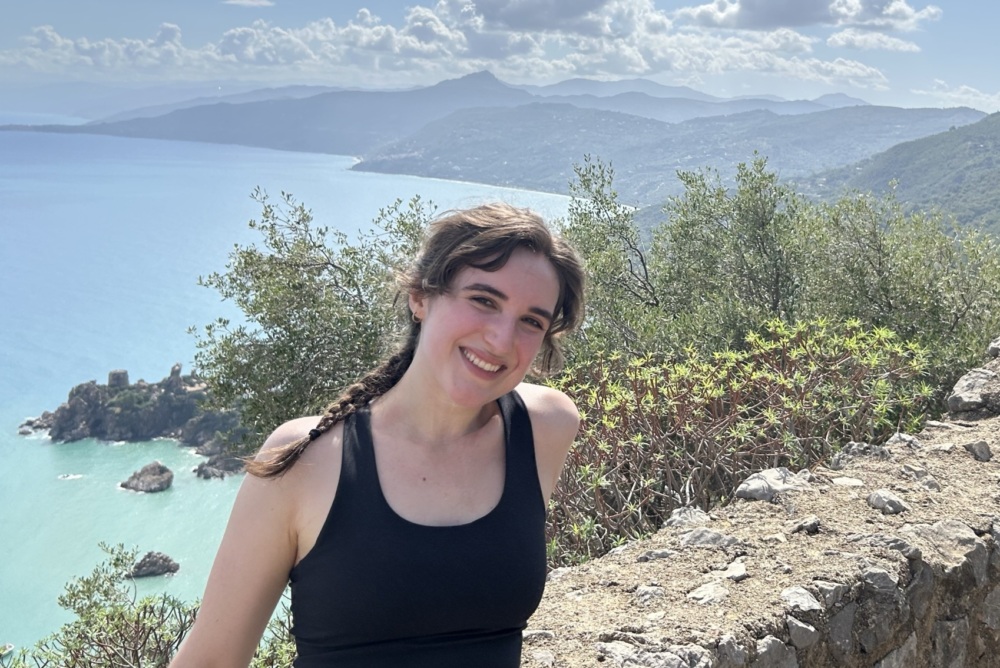
Amanda Krieger is an officer with NTI’s Development team, where she builds relationships and leads strategic engagement efforts to secure major philanthropic support for NTI’s mission. Amanda spoke with NTI intern Ryan Takeji Adams about her work in fundraising, past experiences, and hobbies.
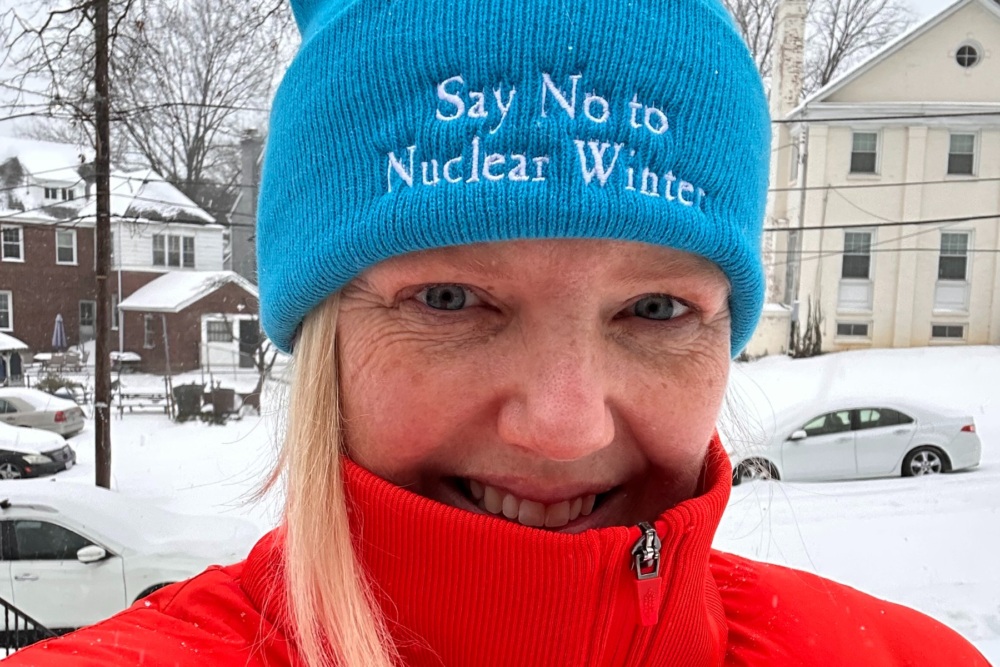
Elise Rowan serves as the deputy vice president of NTI’s Communications team. She co-leads the organization’s Critical Mass project, which harnesses the power of culture and campaigns to change the narrative on nuclear weapons and shift political incentives toward policies that reduce nuclear risks.
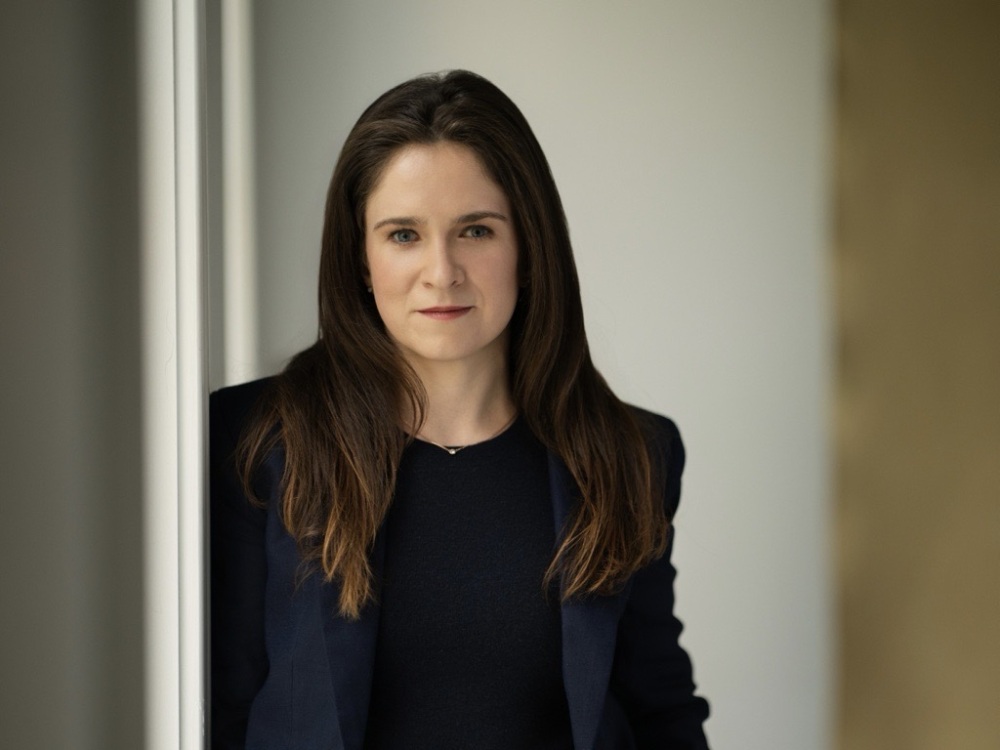
Cassandra Varanka is NTI’s director of legislative affairs. Since joining NTI in July 2025, she has focused on developing and advancing legislative strategies to shape impactful policy outcomes that further the organization’s agenda in the U.S. government.
Sign up for regular updates on innovative, real-world solutions to existential threats.