

Statement by NTI on the U.S.-Israel Strikes on Iran
The ongoing major combat operations introduce serious nuclear security and proliferation risks.
The ongoing major combat operations introduce serious nuclear security and proliferation risks.

The Nuclear Threat Initiative (NTI) joined world leaders and policymakers at the 2026 Munich Security Conference (MSC), where NTI President and CEO Christine E. Wormuth and colleagues hosted events focused on reducing nuclear, biological, and emerging technology threats imperiling humanity.
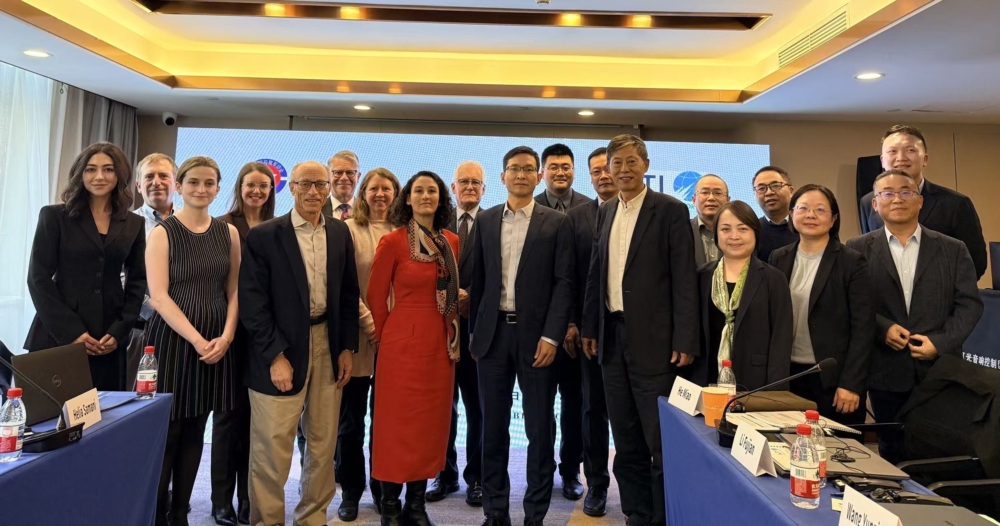
Amid rapid advances in bioscience and as artificial intelligence reshapes global technological capabilities, the Nuclear Threat Initiative (NTI) and the China Arms Control and Disarmament Association (CACDA) are jointly calling for action to strengthen biosecurity and oversight and engage in responsible practices to prevent accidents or misuse.

The dialogue highlighted the importance of translating ideas into implementable actions amid an evolving regional nuclear security landscape.

Heidi Heitkamp, John Deutch, and Laura Holgate join NSI’s Scale What Works campaign, promoting effective fuel management to scale next-generation reactors and strengthen America’s energy and national security

NTI endorses the bipartisan Biosecurity Modernization and Innovation Act of 2026, led by Senators Tom Cotton (R-AR) and Amy Klobuchar (D-MN). This bill creates an important opportunity to incentivize a safe and secure U.S. bioeconomy through strengthened biosecurity policy.
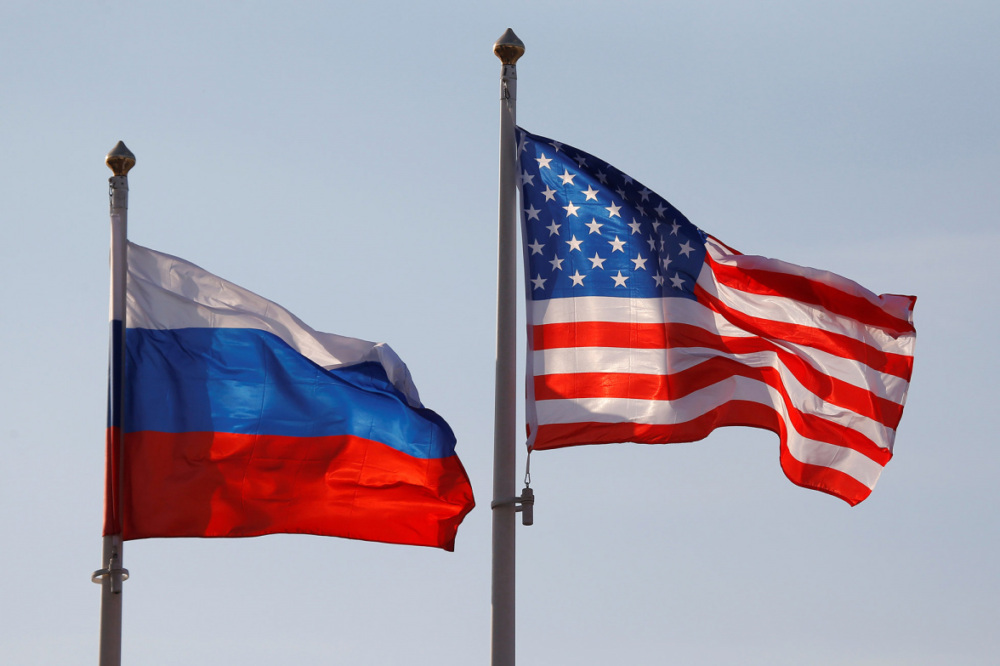
New START, the last remaining arms control treaty capping U.S. and Russian nuclear arsenals, expires on February 5. This marks the beginning of a dangerous new era. For the first time in several decades, there will be no limits on nuclear weapons, less visibility into Russian nuclear weapons activities, and fewer tools to manage a crisis between the world’s two largest nuclear powers.

Funding from the Bezos Earth Fund will support the creation of an orderbook for new nuclear reactor builds in the United States.

New NTI | bio paper calls on tool developers and other AIxBio stakeholders to implement a managed access approach—allowing only validated users to access those biological AI models that contribute to biosecurity risks—to help reduce the risk that such tools will be deliberately misused to cause harm.

As the last remaining U.S.-Russia nuclear limitations treaty expires on Feb. 5, an overwhelming majority of Americans (91 percent) say the United States should negotiate a new agreement with Russia to either maintain current limits on nuclear weapons or further reduce both countries’ arsenals.
Sign up for regular updates on innovative, real-world solutions to existential threats.